Effect of inspiratory muscle training in patients with chronic obstructive pulmonary disease on dysponea and exercise tolerance

Syeda Khanam. P1, Manjunatha. H2, Thummala S. Pavani3

Corresponding Author:

1Professor, East College of Physiotherapy, Bidrahalli, Bangalore, Karnataka, India

Co Authors:

2Principal, East College of Physiotherapy, Bidrahalli, Bangalore, Karnataka, India3Assistant Professor, East College of Physiotherapy, Bidrahalli, Bangalore, Karnataka, India     

 ABSTRACT   

Background and purpose: This study was to find the effect of inspiratory muscle training on dyspnoea and exercise tolerance among chronic obstructive pulmonary disease patients.

Methods: It is a randomized control study of 30 COPD participants with 15 in each control and experimental group. Experimental group underwent inspiratory muscle training with threshold IMT device in the physiotherapy department, where subjects have to breathe against various threshold levels, 30sets/sessions where as control group underwent only breathing and general mobility exercises at home. The training lasted for 20-30 minutes, twice daily 6days per week, and was continued over the course of 4 weeks duration. Parameters included were 6minutes walk test, MRC dyspnoea grade, PEFR values. The data collected data of control and experimental group was compared to find the outcome.

Results: Before interventions, all patients showed increased dyspnoea levels and reduced exercise tolerance. After interventions they all exhibited reduced dyspnea and increased exercise tolerance based on 6min walk test, MRC dyspnoea grade, PERF Parameters. Control group patients didn’t exhibit any improvement in any of the parameters.

Conclusion: The results support that inspiratory muscle training is more effective on reducing dyspnoea and increasing exercise tolerance among COPD patients.
 
Keywords: Chronic Obstructive Pulmonary; Dyspnoea; Exercise tolerance; Inspiratory muscle training
Received on 20th January 2021, Revised on 4th February 2021, Accepted on 24th February 2021; DOI:10.36678/IJMAES.2021.V07I01.003

INTRODUCTION 

Chronic obstructive pulmonary disease is a condition characterized by narrowing of airway tract with symptoms of chronic cough, expectoration, wheeze and exertion dyspnoea. COPD can develop and progress by 25% risk factors of smoking and to mortality by 15% with addiction of smoking 1-3.

Diaphragm is the main inspiratory muscle morphologically and functionally responds to the inspiratory muscle training. There are evidence documented in possibility of resultant accumulation of co2 takes place even after resolution of acute exacerbation of conditions and relative obstruction of airway 4, 5.

The IMT device can help to do inspiratory training exercise which can increase strength of inspiratory muscle; there by it can improve the threshold of inspiratory resistance. Overall health related quality of life (HRQL) can improve by repeated inspiratory muscle training. The exercise training decrease dyspnoea and work of breathing becomes easier in patients with COPD. Regular inspiratory training can facilitate to perform physical activities more easily 6-10.

Aims and objectives of the study was to find the effect of inspiratory muscle strength and endurance to increase exercise tolerance, decrease work of breathing, and to improve functional exercise capacity and also to increase overall health related quality of life.

METHODOLOGY

The study Design was Randomized control study. Data collected were from the patients recruited from pulmonology OPD and treated in the physiotherapy department, Nizam’s institute of medical sciences, punjagutta Hyderabad. Patients were assessed thoroughly and treated during the trails. Period of study intervention was 4 weeks and materials used were threshold inspiratory muscle trainer.
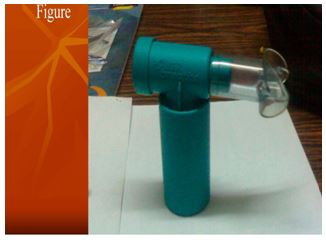
Figure 1: Peak Expiratory Flow Meter

Peak expiratory flow meter is used to record the peak expiratory air flow rate of a person. The forced expiratory volume of a person is measured using this device. The forced expiratory volume of a person is measured using this device. The forced expiratory volume is given in liters’/minute. In COPD patients the PEFR is altered due to biomechanics of chest.

GAIAMS*Power breathe provides a threshold resistance during inspiratory phase. It helps in increasing strength and endurance of respiratory muscles, reduce severity of dyspnoea and improves exercise capacity patients with COPD, asthma, cystic fibrosis, chronic  heart failure,chronic spinal injury, muscular dystrophy, before cardio thoracic surgery.Materials required for the study was Sphygmomanometer, Stop watch, and Measure tape 11-14.

It has got 9 levels and load varies from level 1 to level 9, approximately as follows: Load (-cm H2O).
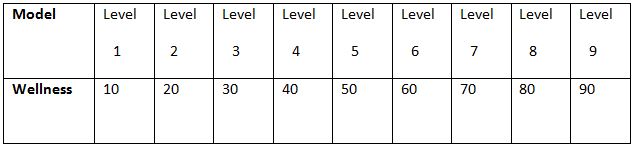
Table 1: 9 levels and load

Intensity: 10% to 52% of maximal inspiratory pressure (PI Max).most commonly used training device in these studies is threshold IMT. Frequency of the study duration was 7days/week and total duration of the study was 4 weeks, 20-30 min session, twice a day.

Procedure: Subject has to sit in a  high sitting position on a couch, hold the apparatus close to the mouth and take deep breathe against the resistance set with in the threshold IMT apparatus and blow air out relax. Patient has to repeat the same for 30 times. This procedure should be done twice a day, 30 minute every session. Patient is instructed properly and to discontinue usage if they have symptoms of breathlessness and cough.
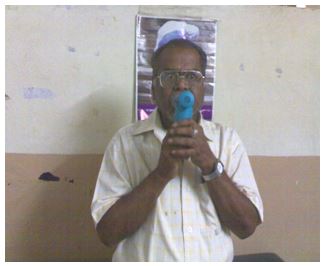
Figure 2: Patient performing inspiratory muscle training

Inclusive criteria for this study was Mild and moderate exacerbation of COPD

Exclusive criteria for  this study was Severe exacerbation of COPD, Pulmonary tuberculosis, Restrictive lung disease, Severe asthma, neuro muscular disorders, musculo skeletal problems of spine, Heart failure/unstable angina and  Peripheral vascular diseases.

The data collected ranged from parameters: 6 min walk test, Peak expiratory flow rate, and MRC dyspnoea grading.

During study period 60 patients were examined who were all COPDS associated with other problems but only 30 met the inclusive criteria.15 patients were assigned for group A and remaining 15 for group B according to randomized control study. Their mean ages (group A 58.13; group B 52.06) were calculated.

Data analysis and results:  All data analysis was computed with statistics, paired T-test .within groups, student T-test between groups and mean values were used for both groups to determine the difference between outcome measures of 6 min walk test, MRC dyspnoea and PEFR. Level of significance was fixed as 5 % for the present study.

Out of large proportion COPD with mild and moderate exacerbation the sample taken for the study is 30,based on convenience sampling method after thorough examination based on inclusive criteria from the department of physiotherapy.30 participants were present for the whole duration of the study 4 (week).

During 4 week of study course the parameters studied were 6 min walk test, MRC dyspnoea scale, Peak expiratory flow rate.

The data was collected on subject on 1st week and 4th week, and raw data was arranged in order to maintain the master chart, which was subjected to further statistical analysis.

To find out of the average line score in above mentioned parameters in each subject the means were calculated at 1st week and these values were considered as base line values for the study simultaneously the same parameters are studied at 4th week and average variations were recorded in terms of means of each parameters and the variations from the mean were also calculated.

The difference in each parameter from 1-4 weeks was tested with paired T-test, within group and student T-test between groups, finally the observed variations in each parameter was represented in graphical format for easy understanding.

RESULTS

From 1st week to 4th week all the parameters collected from the data are arranged in master chart for further statistical analysis .The difference in each parameter from 1st week(initial )to the end of 4th week(final),of the subject is shown in the following tables.

6 Min Walk Test:  The performance of 6min walk test was conducted for both the groups (Experimental and control group) that to in particular time schedule (1st week to 4th week). 1st week taken as base period which is compared with other time factors, combination allay. Different variables were studied between: 1st week-4th week. For with group paired T-test was performed and among two different groups student T-test was used; same tests are used for other parameters MRC dyspnea, PEFR too.

Within Control Group: Among all the variables within the control group, paired T-test calculated value for 1st -4th week is 1.00000 and the table value is 2.145 at 5%level of significance with 14 degrees of freedom.


Table 2: 6min walk test within control Group
Table 3: 6min walk test within Experimental Group

Within Experimental Group:  Among all the variables within the experimental group, paired T –test calculated value for 1st week -4thweeks is 14.58441 and the table value is 2.145 at 5% level of significance improvement in 6minute walk in experimental group to control

Table 4: 6min walk test between control and Experimental Group

Between Control Group and Experimental Group: Between control and experimental group student T-test was performed. Among all the variables the student T- test calculated values for 1st and 4th week (2.24).

The tabulated value at 5% level of significance with 28 degree of freedom is 2.049 showing the significant difference.

Table 5: MRC Grading of Dyspnea within Control Group

MRC Grading of Dyspnea within Control Group: Among all the variables with in control group, paired T-test calculated value for 1st week-4th week is less than 1.000 and the Table value is 2.145 at 5%level of significance with 14 degrees of freedom.

Table 6: MRC Grading of Dyspnea within experimental Group

MRC Grading of Dyspnea within Experimental Group: Among all the variables within the experimental group, paired T –test calculated value for 1st week -4th weeks is 5.69 and the

table value is 2.15 at 5% level of significance improvement in dyspnoea levels in experimental group to control

Table 7: MRC Grading of Dyspnea between Control Group and experimental Group

MRC Grading of Dyspnea between Control Group and Experimental Group: Between control and experimental group student T-test was performed. Among all the variables the

student T- test calculated values between1st and 4th week (6.25).The tabulated value at 5% level of significance with 28 degree of freedom is 2.05 showing the significant difference.

Table 8: Peak expiratory flow rate within control Group

Peak expiratory flow rate within Control Group:Among all the variables within the control group, paired T-test calculated value for

1st -4th week is 1.46759 and the table value is 2.145 at 5%level of significance with 14 degrees of freedom.

Table 9: Peak expiratory flow rate within Experimental Group

Peak expiratory flow rate within Experimental Group: Among all the variables within the experimental group, paired T –test calculated value for 1st week -4th weeks is 9.57556 and the

table value is 2.145 at 5% level of significance  with 14 degrees of freedom showing  significant improvement in PEFR values  in experimental group compared  to control

Table 10: Peak expiratory flow rate between control and Experimental Group

Between Control Group and Experimental Group: Between control and experimental group student T-test was performed. Among all the variables the student T- test calculated values for 1st and 4th week (4.09).The tabulated value at 5% level of significance with 28 degree of freedom is 2.05 showing the significant difference.

DISCUSSION

COPD is progressive and irreversible disorder of airway. Therefore even after resolution of acute exacerbation of condition there may be relative obstruction of airway. So complete expiration is not possible after resultant accumulation of Co2. Therefore, these patients frequently report dyspnoea related to activities of daily living, such patients are considered as stable COPD patients. The symptom induced inactivity leading to deconditioning and muscle weakness & thus resulting into crucial impact of functional and health status15-17.

The present study has done on patients with mild and moderate COPD for 4 weeks showed significant effects of IMT on dyspnoea &exercise tolerance.  Many studies have reported the effect of inspiratory muscle training on dyspnoea and exercise tolerance among COPD Patients. Parameters included in this study are 6 minute walk distance test, PEFR, and MRC grading of dyspnoea.

In experimental group in present study the mean improvement in 6 minute walk distance at the end of 4 weeks of training is 109.4 m, T cal values 14.584, T tab value 2.145, showing significant improvement. In control group the mean difference in 6 min walk is 3.2 m at the end of 4th week T cal values 1.000, T tab value 2.145, showing no significant improvement. The limiting factors for reduced exercise tolerance in patients with COPD are dyspnoea. The increase in 6 min walk distance could be because of reduction in dyspnoea, increased exercise tolerance.

PEFR mean difference within the experimental group is78.66 T cal values at the end of 4th week is 9.576 and the, T tab value 2.145, showing significant improvement compared to control group where the mean difference is 1.33, T cal values 1.468, T tab value 2.145. MRC grading of dyspnoea within experimental group at end of 4th week the mean difference is 1.33, T cal values 5.69, T tab value 2.15, showing significant changes in dyspnoea levels in experimental group compared to control where there is no significant changes in mean values, at the end of 4th week T cal values is less than 1.000, and T tab value is 2.145.

A study on specific inspiratory and specific expiratory muscle training has proved both are effective on improving respiratory function, specifically it could reduce dyspnoea and improve exercise performance. There was no difference in effect on the outcomes when the patient performed combined specific inspiratory and expiratory muscle training exercise program among COPD Patients 18-20.

The effect of specific expiratory muscle training for one year among COPD patients have shown, it improves in respiratory muscle strength and health related quality of life.  The study has also reported maximal inspiratory pressure and improves 6 minute walk distance and a decrease in the mean Borg score during breathing against resistance scores. Some studies have reported inspiratory muscle training has improved functional exercise capacity and strength of respiratory muscles 21, 22.

Present study even showed significant improvement in dyspnoea, exercise tolerance in COPD who underwent IMT for 4 weeks. Most commonly used training device in these studies is threshold IMT where intensity varied from 10% to 52% (high) of maximal inspiratory pressure (PI max) 20-30 min session, twice a day.

The reduction in dyspnoea due to IMT could be due to increased inspiratory muscle strength as determined 20% Larson et al. study (1999), 34% Lisboa et al(1997), 25%weiner et al (2000),50%, Sachez Riera et al (2016).

Inspiratory muscle training for five weeks has proved effect on external intercostals muscles with strong evidence of biopsy report on increase in size of type 2muscle fibers among COPD patients.

A study among COPD patients in Spain, they have analyzed health related quality of life (HRQL) using Questionnaire after inspiratory muscle training and found effect on outcomes of sustained maximal inspiratory pressures, shuttle walk test, in experimental group.

Comparatively the present study even showed significant changes and improvement in dyspnoea and exercise tolerance on mild and moderate COPD patients where the duration of the study was for 4 weeks and the outcome measures used were 6 min walk test, MRC dyspnoea grade and PEFR values. Experimental group showed significant improvement in all these outcome measures than the control group.

In a study conducted at south Korea, the effects of inspiratory muscle training has reported the changes in outcome measures of FEV1, level of dyspnoea based on Borgs score, and 6 min walk distance, they were analyzed in experimental group and showed decreased perception of dyspnoea and improved exercise capacity among moderate to severe obstructive components in the presentation of COPD.

Comparatively in the present study subjects were only mild, moderate COPD patients where control group did not participate in IMT for 4 weeks but practiced general mobility exercises and breathing exercises where as experimental group who underwent inspiratory muscle training showed significant improvement in dyspnoea and exercise tolerance.

The meta-analysis has reported the effect of inspiratory muscle training on inspiratory muscle strength and endurance, improved functional exercise capacity and decreased dyspnoea in patients with COPD. The documented effects of inspiratory muscle training were examined in a meta-analysis. The study is also recommended inspiratory muscle training is a very essential addition to pulmonary rehabilitation programs.

In the present study done on patients with mild and moderate COPD for 4 weeks the experimental group showed significant effects of IMT on dyspnoea &exercise tolerance than control group who underwent only breathing and general mobility exercises.

The studies conducted were performed on a limited number of subjects. Further study is required on a large group to quantitatively analyze the results of IMT on large scale.

Ethical Clearance: Ethical clearance has obtained from Faculty of Physiotherapy, Nizam’s Institute of Medical Sciences, Punjagutta, Hyderabad on 02/05/2008 to conduct this study.

Conflict of interest: There was no conflict of interest to conduct this study.

Fund for the study: It was aself financed study.

CONCLUSION

The study has concluded from the study that inspiratory muscle training can reduce dyspnoea and improved exercise tolerance in COPD patients with mild and moderate exacerbation. The study has also supported the exercise program can improve overall health related quality of life (HRQL) among COPD patients.

Limitations: Limitations of the study were small sample size, short time training period, IMT apparatus is not accessible and it is cost effective for the patients and study was limited to a specific group of mild and moderate COPD.

Future Direction: The present study can be extended for long term rehabilitation. Future study can imply IMT on severe exacerbation of COPD/chronic asthma, cystic fibrosis, pre op lung conditions such as lobectomy, pneumonectomy. Pre and post training PI Max value of IMT can be taken to further strengthen the study, and also can imply expiratory muscle training.

REFERENCES

  1. Nice, L (2000). Mechanism and measures of exercise intolerance in chronic obstructive lung disease.Clin Chest Med 21, 693-704.
  2. Van’tHul, HA, Gosselink, R, Kwakkel, G (2003). Constant-load cycle endurance performance; Test-Retest reliability and validity in patients with COPD. J Cardio-pulmo rehabil. 143-150.
  3. Polkey, MI, Moxham, J, (2004). Improvement in volitional tests of muscle function alone may not be adequate evidence that inspiratory muscle training is effective Eur Respir. J, 23, 5-6.
  4. Holm, P, Sattler, A, Fregosi, RF (2004). Endurance training of respiratory muscle improves cycling performance in fit young cyclists.BMC Physio., 4: 9.
  5. Weiner, P, Magadle,R, Beckerman, M, et al (2003). Specific expiratory muscle training in COPD. Chest 124, 468-473.
  6. Weiner, P, Magadle, R, Beckerman, M, et al (2003). Comparison of specific expiratory, inspiratory and combined muscle training program in COPD Chest 124, 1357-1367.
  7. Bourjeily, G, Rochester, C L, (2000). Exercise training in chronic obstructive pulmonary disease, Clinical chest med, 21,763-781.
  8. Caine MP and MC Connell AK (2000). Development and evaluation of a pressure threshold inspiratory muscle trainer for use in the context of sports performance. Sports Engin 3,149-159.
  9. Covey MK, Larson JL, Wirtz SE, Berry JK, Pogue NJ, Alex CG and Patel M., (2001). High intensity inspiratory muscle training in patients with chronic, obstructive pulmonary disease and severely reduced function. J. Cardiopul. Rehabil. 21; 231-240.
  10. Lotters, F, Kwarkkel, G, Gosselink, R. (2002). Effect on controlled inspiratory muscle training in patients with COPD.A Meta-analysis. European Respiratory Journal, 20,570-577.
  11. Oh, Eui-Geum. (2003).The Effect of home-Based pulmonary Rehabilitation in patients with chronic lung disease. International journal of nursing studies, 40, 873-880.
  12. Beckerman, Marinella, Magadle, R, (2005, November). The effect of one year of specific inspiratory muscle training in patients with COPD. Chest, 5, 3177-3183.
  13. Martin, Daniel, (2002). Use of inspiratory muscle strength training to facilitate ventilator weaning. Chest 122,192-196.
  14. Sanchez, RH, Monte mayor, RT, Ortega, RF, et al. (2001). Inspiratory muscle training in patients, with COPD; Effect on dyspnoea, exercise performance, and quality of life chest 120,748-756.
  15. De Jong W, Van Aalderen WM, Koeter GH, and van der schans CP.(2001). Inspiratory muscle training in patients with cystic fibrosis. Respir Med., 95: 31-36.
  16. Enright, S, Chatman, K, Lonescu, A.(2004). Inspiratory muscle training improves lung function and exercise capacity in adults with cystic fibrosis. Chest, 2, 405-412.
  17. Lisobia, C, Munoz, V, Beroza, T, Leiva, A, Cruz, E, (1994). Inspiratory muscle training in chronic airflow limitation: A compensation of two different training loads with a Threshold Device European Respiratory Journal, 7, 1266-1274.
Citation:   Syeda Khanam. P, Manjunatha. H, Thummala S. Pavani (2021). Effect of Inspiratory Muscle Training in Patients with Chronic Obstructive Pulmonary Disease on Dysponea and Exercise Tolerance, ijmaes; 7 (1); 933-942.

Overview of the health profile of the elderly referring to the risks of stroke in the sub-district of Cililitan, Jakarta, Indonesia

Rosintan Milana Napitupulu1, Novlinda Susy Anrianawaty Manurung2

Corresponding author:

1Physiotherapy Program, Faculty of Vocational Studies, Universitas Kristen Indonesia.

Mail id: rosintan.napitupulu@uki.ac.id

Co-Author:

2 Physiotherapy Program, Faculty of Vocational Studies, Universitas Kristen Indonesia

ABSTRACT

Introduction: The composition of the elderly population is increasing rapidly in both developed and developing countries, which is caused by a decrease in fertility (birth) and mortality (death) rates as well as an increase in life expectancy, which changes the structure of the population as a whole. Stroke can generally occur in all age groups, but three quarters of strokes occur in people who are already 65 years old or older (the elderly) and result in the onset of disability or invalidity. Stroke is one of non-communicable diseases, which is the leading cause of death worldwide.
Methodology: Data was taken from the integrated health service post (for the elderly) to obtain an overview of the risk of stroke in the elderly based on the available secondary health data of the elderly.
Results: Two hundred and sixty-eight (268) elderly people with the available health data can be described by the following criteria: 56% of the elderly have low risk, 32% of the elderly have moderate risk, and 12% of the elderly have high risk.
Conclusion: The elderly in the integrated health service post for the elderly have various risks of stroke from moderate to high.

Keywords: Risk of stroke; Physiotherapy; Health status; Elderly  
Received on 18th January 2021, Revised on 24th January 2021, Accepted on 20th February 2021; DOI:10.36678/IJMAES.2021.V07I01.002

INTRODUCTION 

Stroke is one of non-communicable diseases, which is the leading cause of death 1,2. Stroke is included in cerebrovascular disease, which is a brain function disorder associated with the disease of a blood vessel that supplies blood to the brain3. Stroke is also called a brain attack which always occurs suddenly with various symptoms. However, most of the symptoms that are often found are the condition of the body that is half paralyzed and/or accompanied by decreased consciousness4. Stroke can generally occur in all age groups, but three-quarters of strokes occur in people who are already 65 years old or older (the elderly) and result in the onset of disability or disorders 5.

 The large number of elderly people in Indonesia will have both positive and negative impacts. It has a positive impact if the elderly population is healthy, active, and productive. On the other hand, the large number of the elderly population becomes a burden if they have a problem of declining health which results in an increase in the cost of health services, a decrease in revenue/income, an increase in disability, the absence of social support, and an environment that is not friendly to the elderly population6.

Based on the magnitude of the problem that will arise due to stroke in the elderly, we consider it important to portray or describe the risk of stroke that exists in the elderly in sub-district of Cililitan, Jakarta, Indonesia as an area that is fostered by Universitas Kristen Indonesia. We processed the secondary data on the health of the elderly to describe the risks of stroke that exist in the elderly in this area. The research was conducted at the Integrated Health Service center for the elderly of Cililitan because it is one of the Integrated Health Service center that also fostered by the UniversitasKristen Indonesia, so further research is needed to increase the role of the university to the community in terms of health, disease prevention, and improvement of public health.

RESEARCH METHODOLOGY

The methodology of this research is a descriptive study by taking secondary data from the Integrated Health Service Centre for the elderly in Sub-District of Cililitan, Jakarta, Indonesia. The selection of this integrated health service post was based on its collaboration with the Universitas Kristen Indonesia, so that community service-based research could be carried out. The data taken was then processed using a cross sectional study method.

Secondary data was obtained from the report on the results of examining the general condition of the elderly made by health workers from the integrated health service post for the elderly with the examination period in March 2020. The data used is on routine health checks carried out by health care professionals at the integrated health service center for the elderly. The use of data in this study has received permission from the management of the integrated health service post by not displaying the identity of the elderly.

Data analysis: The data obtained is the health data of the elderly which includes: blood pressure, random blood sugar level, cholesterol, age, and sex. This secondary data was processed using Microsoft Excel software in order to obtain an overview of the risk of stroke in the integrated health service center for the elderly of Sub-District of Cililitan.

RESULTS and DISCUSSION

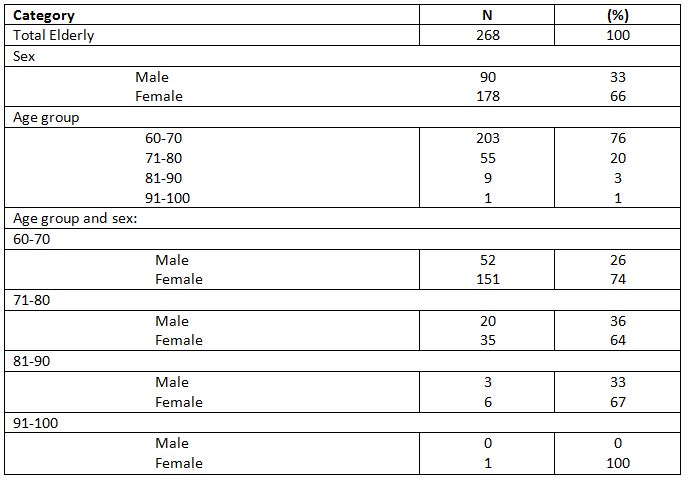
The following is the data obtained through the secondary data available in the integrated health service post for the elderly taken in March 2020. The data in Table 1 shows the profile of the elderly at the integrated health service center for the elderly.

Table 1. Profile of the Elderly

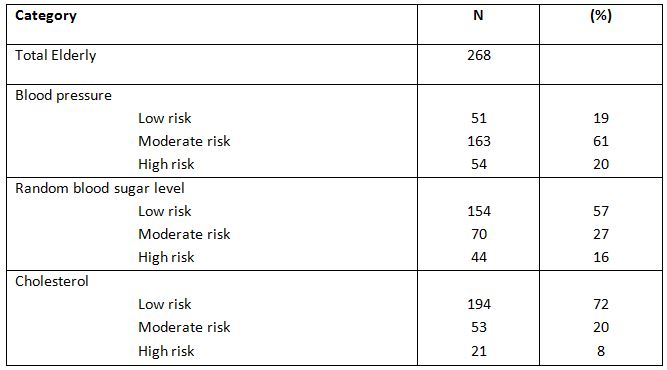
Thereafter, from the profile of the elderly, the researchers continued to process the health profile data of the elderly consisting of the conditions of blood pressure, blood sugar, and cholesterol.

Table 2. Health Profile of the Elderly

Based on the results of the profile data processing in the form of sex and age shown in Table 1 above, it is known that there are 268 elderly people consisting of 33% males (90 people) and 66% females (178 people), with 76% (203 people) in the age range of 60-70 years, 20% (55 people) in the age range of 71-80 years, 3% (9 people) in the age range of 81-90 years, and 1% (1 person) in the age range of 91-100 years. In this data, it is found that most of the elderly are female. In the study, stroke is more common in men aged 65-79 years although older women can also be at higher risk, namely those over 80 years 7,8.

Based on the health profile shown in Table 3, there are three important factors that constitute indicators in the assessment of potential risks of stroke, such as:blood pressure, blood sugar, and cholesterol. A study also explains that those three indicators can be initial risk assessment for stroke conditions 5.

In the data processing table of the recorded results of medical examination based on blood pressure, it is concluded that 19% (51 people) of the elderly havea low risk potential, 61% (163 people) have a moderate risk potential, and 20% (54 people) have a high risk potential of stroke. It is also supported by a study conducted by Seshadri et al., which actually states that high blood pressure would result in higher risk of stroke in the elderly below 80 years old9. It is also visible from the data that such condition can also affect more than 70 percent of the elderly in the integrated health service center. A study conducted by Rodgers et al. also states that hypertension in the elderly can also result in a higher risk for the occurrence of stroke in the elderly5. A study conducted by Arboix et al. also states that high blood pressure conditions play a major role in increasing the risk of ischemic stroke in the elderly who are older than 85 years or more10.

In the data processing table of the recorded results of medical examination based on random blood sugar level,it was found that 57% (154 people) of the elderly have a low risk potential, 27% (70 people) have a moderate risk potential, and 16% (44 people) have a high risk potential of stroke. In general, the blood sugar condition and other conditions such as food management are also influential to the risk level of strokein the elderly 11.

In the data processing table of the recorded results of medical examination based on cholesterol, it was found that 72% (194 people) of the elderly have a low risk potential, 20% (53 people) have a moderate risk potential, and 8% (21 people) have a high risk potential. It can be said that most of the elderly are still safe in terms of cholesterol contained in the blood as a stroke risk parameter. Nevertheless, high cholesterol levels in the blood can be one of the risks that result in stroke among the elderly4. A study conducted by Reddy et al. stated that, besides the risks of diabetes and hypertension, dyslipidemia, obesity, smoking, and drinking alcohol can also increase the risk of stroke in the elderly12.

In this study, there were still more elderly women who came regularly, so that the data presented has not covered all the elderly. The data displayed is also only the data taken in the month of March. The activities in the integrated health service post for the elderly need to be enhanced with simple exercises that can increase physical activity in the elderly to help improve general health 13.

Ethical Clearance: Ethical clearance has obtained from Universitas Kristen Indonesia, Jakarta, Indonesia to conduct this study with reference number: 309/UKI.F8.D/PPM dated 01/06/2020.

Conflicts of Interest: The author declares that there is no competing interest in publishing this article.

Fund for the study: This is self-funded study.

Recommendation: The participation of elderly men in the integrated health service post needs to be increased, so that the elderly men who are at risk can be recorded because, based on data, many men have the risk of stroke. Health examination in the integrated public health service center for the elderly needs to be conducted regularly which needs to be supplemented with exercises or gymnastics for the elderly to improve their health condition. Simple exercises to increase physical activities can improve the health condition of the elderly.

CONCLUSION

As a conclusion, the elderly in the integrated health service center have quite various stroke risk potentials from moderate to high. In such conditions, information about health condition needs to be disseminated about the basic risks that would result in stroke also with initial handling for the prevention of stroke.

REFERENCES

  1. Hu, G., Sarti, C., Jousilahti, P., Peltonen, M., Qiao, Q., Antikainen, R., &Tuomilehto, J. (2005). The impact of history of hypertension and type-2 diabetes at baseline on the incidence of stroke and stroke mortality. Stroke, 36(12),2538-2543.
  2. Feigin, V. L., Krishnamurthi, R. V., Parmar, P., Norrving, B., Mensah, G. A., Bennett, D. A., & Davis, S. (2015). Update on the global burden of ischemic and hemorrhagic stroke in 1990-2013: the GBD 2013 study. Neuroepidemiology, 45(3), 161-176.
  3. Dávalos, A. (2005). Thrombolysis in acute ischemic stroke: successes, failures, and new hopes. Cerebrovascular Diseases, 20 (Suppl. 2), 135-139.
  4. Chen, R. L., Balami, J. S., Esiri, M. M., Chen, L. K., & Buchan, A. M. (2010). Ischemic stroke in the elderly: an overview of evidence. Nature Reviews Neurology, 6(5), 256-265.
  5. Rodgers, H., Greenaway, J., Davies, T., Wood, R., Steen, N., & Thomson, R. (2004). Risk factors for first-ever stroke in older people in the north East of England: a population-based study. Stroke, 35(1),7-11.
  6. Parr, E., Ferdinand, P., &Roffe, C. (2017). Management of Acute Stroke in the Older Person. Geriatrics, 2(3),27.
  7. Appelros, P., Stegmayr, B., &Terént, A. (2009). Sex differences in stroke epidemiology: a systematic review.  Stroke, 40(4), 1082-1090.
  8. Arboix, A., Oliveres, M., García-Eroles, L., Maragall, C., Massons, J., & Targa, C. (2001). Acute cerebrovascular disease in women. European neurology, 45(4), 199-205.
  9. Seshadri, S., Wolf, P. A., Beiser, A., Vasan, R. S., Wilson, P. W., Kase, C. S., & D’Agostino, R. B. (2001). Elevated midlife blood pressure increases stroke risk in elderly persons: the Framingham Study. Archives of internal medicine, 161(19), 2343-2350.
Citation:  Rosintan Milana Napitupulu, Novlinda Susy Anrianawaty Manurung (2021). Overview of the health profile of the elderly referring to the risks of stroke in the Sub-district of Cililitan, Jakarta, Indonesia , ijmaes; 7 (1); 927-932.

A study to find the effectiveness of iontophoresis with open kinematic chain exercises in pes anserine bursitis in sports persons

Gummadi Ashish1

Coresponding Author:

1Senior Physical therapist, Department of Neurorehabilitation, Institute of Neurosciences, Kolkata, Mail id: ashishgummadi@gmail.com

Aim and background of the study: Pes Anserine Bursitis is an inflammatory condition of pes anserine bursa which affects medial and inferio- medial aspect of the knee with more painful and swelling around the knee joint. Aim of the study is to find the effectiveness of iontophoresis and open kinematic chain exercises on pain, and knee range of motion of sports person with pes anserine bursitis.
Methodology: 30 male and female subjects according to inclusion and exclusion criteria were randomly divided into two groups for the study where, Experimental Group was treated with Iontophoresis and open kinematic chain exercise. Control Group was treated with Ultrasound therapy.
Result: The study reported  the Group  treated with Iontophoresis and open kinematic chain exercise got significant improvement in VAS and KROM score with p=0.001.
Conclusion: the study concluded that the experimental group which received iontophoresis along with open kinematic chain exercises demonstrated good effect in reducing pain and increasing Knee ROM.

Key Words: Iontophoresis, open kinematic chain exercises, Pes anserine bursitis, VAS, KROM.
Received on 14th January 2021, Revised on 22th January 2021, Accepted on 18th February 2021; DOI:10.36678/IJMAES.2021.V07I01.001

INTRODUCTION 

Knee is a hinge variety joint, which provides flexion and extension movements and a small degree of medial and lateral rotation. Pes anserine bursa of knee joint get inflamed due to over use and the bursitis affect medial and inferio- medial aspect of the knee with more painful and swelling around the knee joint 1, 2.

Pes Anserine Bursitis Epidemiology: Pes anserine bursitis is a common in running sports person. It is self-limiting condition, it can be cure with surgery or without surgery.1Pes anserine bursitis risk increases with endurance sports (distance running or triathletes), making changes to or beginning a new training program, sports that place stress on the muscles that insert at the pes anserine, such as those that require pivoting, cutting or, jumping, improper training, poor strength and flexibility, failure to warm-up properly before activity, improper knee alignment (knock knees), arthritis of the knees and trauma or constant friction on the bursa3.

Pes Anserine Bursitis in Sports Person (Marathon Runners): Pes Anserine bursitis risk is higher in endurance training and one of the most frequently affected individuals are Marathon Runners as they performs lots of endurance training. Usually in marathon runners, the tendon may become overused due to change in the training- for example running more uphill or just increasing the intensity of training program. Or any change in footwear can also be a cause 4.

 The new runners or those who have not had a professional gait analysis can develop Pes Anserine Bursitis. This Bursitis may develop over the course of long run, or may be a few weeks. Whatever be the duration, the main cause is due to overuse of the tendons that guards the pes anserine bursa.6

Pain in the inner aspect of knee, swelling and difficulty to bend the knee are the main symptoms of Pes Anserine Bursitis. Later stage muscle around the knee which produce extension and flexion movements may go for week followed by reduce the range of movement in knee joint 5.

Physiotherapy is the most widely used form of treatment adopted for gaining relief from pes anserine bursitis. It is used in both modes as single line of treatment including exercises or in form of combination with electrotherapy modalities like Ultrasound, Iontophoresis etc. The exercises include stretching, strengthening, ROM exercises. In flat feet individuals suggests with wearing arch supports in their shoes. Compression bandages or knee sleeves also helpful for reduce symptoms 6,7.

Iontophoresis is a therapeutic technique in which ion transfer into the body tissues by using electrical current as a driving force (LeDue, 1903).Iontophoresis is painless, sterile and non-invasive method to introduce specific ions into the body tissues. In case the ions are used in the form of ointment, a layer of its applied at the site to be treated. Iontophoresis treatment with dexamethasone is well tolerated by the majority of the patients5.

Open kinematic chain exercises (OKC) are the form of exercises in which the distal segment is mobile or not fixed like isolated joint exercise e.g. Seated leg extension. Open kinematic chain exercises are helpful to correct strength deficits of specific muscles or joints and beginning of rehabilitation when athlete not able to perform CKC exercises.11Open kinematic chain exercises are helpful to gain strength, flexibility and endurance of.3 hamstrings muscles group in sports person affected with Pes anserine bursitis8.

To evaluate the pain intensity VAS has been used whereas Knee ROM was measured using Goniometer. This study aimed to find the effectiveness of both the intervention in sports person with Pes Anserine bursitis.

In this modern age, there is a need of active research on an easy and effective intervention to reduce the pain and gain the near full ROM which enhances the performance in sports person.

Many Pes anserine bursitis patients experience pain, muscle weakness, decreased ROM and functional disability. Most patients regain their ROM muscle strength within a few week, but between 30 to 50 % are no longer able to get full ROM, muscle strength and functional ability after 1-2 month. So there is a strong need to gain full ROM muscle strength and pain reduction in Pes anserine bursitis rehabilitation .The persisting problem of ROM at knee muscles weakness and increased pain needs to be addressed and newer  strategies such as Iontophoresis with open kinematic chain exercises  can bring better insights for sports person with Pes anserine bursitis7,8.

In this study, iontohoresis with dexamethasone sodium and open kinematic chain exercise has been used to treat the sports person diagnosed with Pes Anserine bursitis.Iontophoresis is a therapeutic technique in which ion transfer into the body tissues by using electrical current as a driving force (LeDue, 1903).

Iontophoresis is painless, sterile and noninvasive method to introduce specific ions into the body tissues. In case the ions are used in the form of ointment, a layer of its applied at the site to be treated.11Iontophoresis treatment with dexamethasone is well tolerated by the majority of the patients and is effective in reducing symptoms such as pain and tenderness and better enable patients to tolerate therapeutic exercises and, therefore, will accelerate the rehabilitative process8.Hence this study is an attempt to find out the effectiveness of Iontophoresis with Open kinematic chain exercises (OKC)

METHODOLOGY

The subjects for the study were taken from the outpatient department of Neuro-rehabilitation Instuite of neurosciences kolkata. The subjects referred to the physiotherapy department with the diagnosis of Pes Anserine bursitis were screened for inclusion and exclusion criteria. The subjects who were qualified for the trial will be explained the aim and objectives of the study.

The subjects were requested to sign the consent form. The subjects were measured for their baseline outcome measures. A total 30 subjects who fulfil the inclusion criteria were included for the study and allotted into 2 groups, Experimental group (EG) and Control group (CG) randomly. The subjects with both groups received intervention for 12 days, the baseline measurements will be compared to the data at the end 12 days.

Procedure of intervention for the experimental group

Iontophoresis: Dexa-methasone sodium phosphate 0.4% with aqueous water was given via Galvanic current. The current used for this process was kept 1mA with subjects comfort considerations. In Iontophoresis current density always depends on quantity of current delivered per unit surface area. For this, two electrodes are used negative electrode (cathode) and positive electrode (anode), Negative electrodes used was double the size of the positive electrode.  Since Dexa-methasone sodium phosphate is negative ion (-), it was placed over the cathode (-). The cathode was placed over the pes anserine bursa where as the anode was placed over the calf muscle. Duration for iontophoresis was 20 minute per session once a day for 5-7 days 3

All the 15 patient of experimental group treated with Iontophoresis for initial 5 days were then treated with Open kinematic chain exercises (OKC) for knee everyday two session each session consisting  of 30 minutes .Each exercises was performed with proper rest period of  about 2 minutes after each exercises. Patient performed these exercises in supine lying position and support was provided by te assistant as necessary.

These exercises included the following exercises-

Hamstring stretch on wall: Subjects was in supine lying with hands by side, subjects involved leg on wall and other leg as free, as instructed by examiner, 10 repetitions were done with feel stretch.

Single leg hip extension: The patient was asked to lie down on his back with his knee bent at 90 degree and his feet hip width apart. From this position patient was asked to raise the leg and hold it suspended. Then the patient was asked to push his hips and lower back as one unit through the stabilizing leg, keeping his weight centered at his heel.10 repetitions with 10 counts hold

Seated knee extension: Subjects was in high sitting position, and the patient was asked to straight the knee.10 repetition with 10 count hold

Straight leg raise (SLR): The non-affected leg was flexed for 90 degree at the knee joint; the affected lower limb is straight on the table. The patient was asked to raise the affected lower limb straight to the level of the other leg.10 repetitions with 10 count hold.

Procedure of intervention for control group

Each participant in this group received ultrasound therapy with the intensity ranging from 0.8 -2 W/cm2 for 8 minutes in pulsed mode. The subject was positioned in high sitting position with the knee slightly rotated outward and the other leg of the subject was asked to keep apart from the involved limb.  The ultrasound was given by the therapist over the painful area in small concentric circles.33

Method for outcome measures

Visual Analogue Scale (VAS): VAS was used to measure subjects perception level of pain due to Pes anserine bursitis .It consists of scale where scoring is from 0-10. With score 0 subjects express no pain and with score 10 expresses maximum pain. The patient was asked to level the highest amount of pain they were getting at the time of assessment.

Knee Range of Motion (ROM)-Goniometry: Knee ROM includes flexion and extension which was measured by goniometer. To measure knee flexion, patient was asked to lie down in supine position and the subject was asked to bend the knee. Three trials of the same procedure were performed and average of the readings was considered for data analysis. To measure Knee extension, the patient was asked to lie down in prone position. The subjects was instructed to lift the knee without pelvic tilt (stabilize femur) and then goniometer was placed and the average reading of the three trials was recorded.

Inclusion criteria: Subjects between ages of 15-30 yrs. Both genders were included. History of improper training, running up hills with trackers, which produce pain and tenderness localized near Pes anserine bursa, Marathon runners, running for > 2 years were selected for the study.

Exclusion Criteria: Subjects with stress fracture, subjects with other lower limb musculoskeletal pathology, subjects with ischemic disorder of lower limb, subjects with muscle spasm of hip extensors, malignancies or tissue damaged by radiation therapy, subjects with visual impairment   or  with  any   other  neurological

disability like any head trauma, dementia, learning disorder and schizophrenia, and Osteoarthritis of knee were excluded from the study.

Materials and Methods: It includedCouch, EMS/Galvanic, Dexamethasone sodium phosphate aqueous solution, Cotton, Microspore tape, Goniometer, Ultrasound machine, and Aquous gel

Outcome Measures: Visual analogue scale (VAS) and Knee range of motion (ROM) goniometry

RESULT

Study design: A Comparative two group interventional clinical study

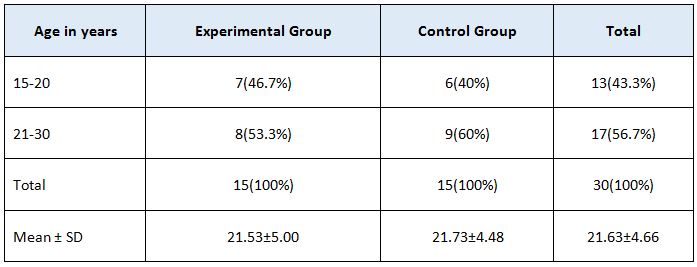
Table 1: Age distribution of patients studied, P=0.909, Not Significant, Student t test

Table 1 show that there is 46.7% of patient in Experimental group and 40% in Control group of age group 15-20. However, 53.3% were in

experimental group and 60% in control group of age group 21-30. 

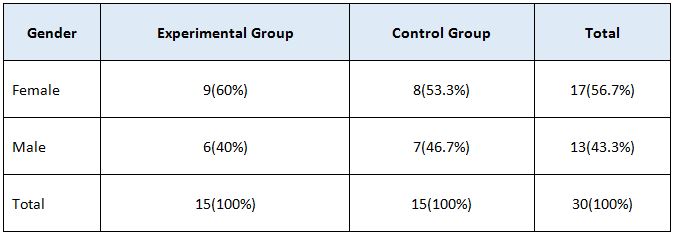
Table 2: Gender distribution of patients studied, P=0.713, Not Significant, Chi-Square Test

In table 2, Experimental group consists of 60% female and 40% male whereas control group consists of 53.3% female and 46.7% male patients. Overall, 56.7% of patient was females and 43.3 % was males.

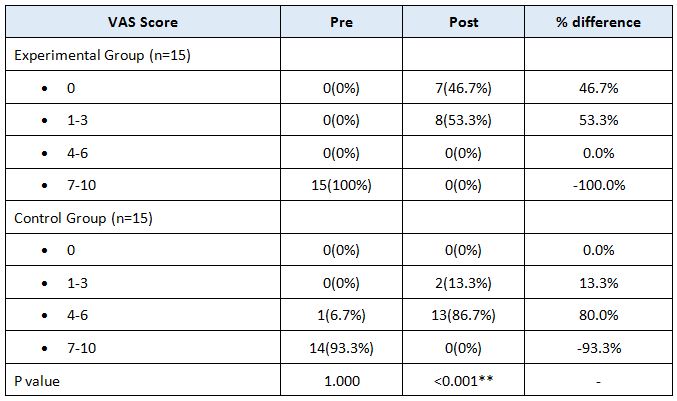
Table 3: VAS Score-A Comparative assessment at pre and post in two groups of patients studied

VAS score of both the group were analysed in table 3 and the mean difference in percentage was obtained. Range of VAS scale score was made as 0, 1-3, 4-6, 7-10 in both the groups. The VAS score has been significantly reduced in Experimental Group as compared to Control Group. In the VAS score the % difference between the pre and post treatment is 46.7%, 53.3%, 0% and -100%.

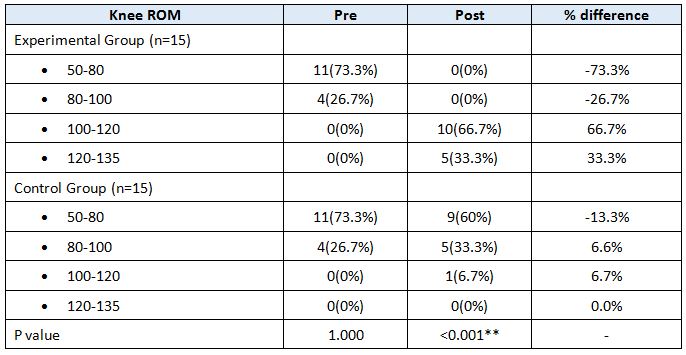
Table 4: Knee ROM- A Comparative assessment at pre and post in two groups of patients studied

In table 4, Knee ROM has been ranged as 50-80, 80-100,100-120,120-135 degree. The % difference between pre and post treatment is -73.3%,-26.7%, 66.7%, and 33.3% which shows the high significance of the treatment in Experimental Group. The P value is of <0.001** resulting highly significant. In control Group, the KROM in day 14 is 60%, 33.3%, 6.7%, 0% respectively for the given ROM range which indicates that there is very less improvement in KROM  after treatment. The mean difference is not as high as that of experimental Group which is -13%, 6.6%, 6.7% and 0.0% respectively for the given range.

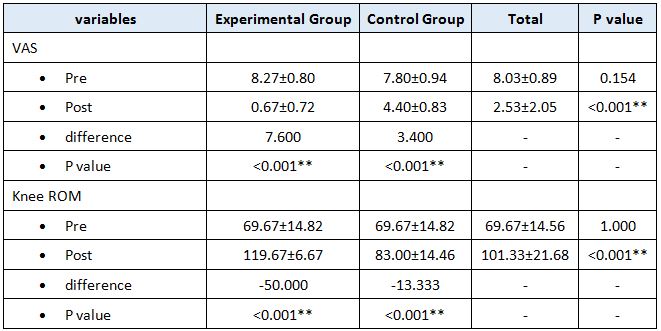
Table 5: A Comparative assessment of VAS and Knee ROM at pre and post in two groups of patients studied

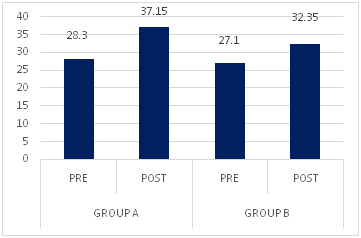
In table 5, VAS score of the patient in EC was 8.27±0.80 whereas post treatment in day 14 it became 0.67±0.72. The mean difference noted is 7.600 and the p value is highly significant at <0.001**. Similarly for control group, VAS score in day 1 is 7.80±0.94 and for day 14 is 4.40±0.83. There is not much difference between pre and post score for VAS in control group, which is just 3.400.

Knee ROM for EC in day 1 was 69.67±14.82 whereas in day 14 it is 119.67±6.67.The mean difference between pre and post treatment score is of -50.000 and the P value at <0.001**. However, control group doesn’t depict much change after treatment. The mean difference between Pre and Post treatment score is just -13.333, far less than that we achieved in EC.

Table 6: Comparison of difference of VAS and Knee ROM in two groups of patients studied

Table 6 displays the difference in VAS and Knee ROM of patients of. Experimental group and control group. Difference in VAS score is 5.50±2.42 and Knee ROM is 31.67±22.18.

DISCUSSION

The purpose of the study was to find the effectiveness of iontophoresis with open kinematic chain exercises to reduce pain and to increase knee ROM in sports person with pes anserine bursitis. The study consists of 30 sports persons diagnosed with Pes Anserine bursitis.15 subjects were kept in experimental group and other 15 in control group. The subjects in experimental group received iontophoresis with open kinematic chain exercises of knee and the control group was treated with ultrasound only. In this study, experimental group and control group result were analysed using student t test and chi square test.

Result obtained from this present study shows that when the mean reduction values of VAS and ROM were analyzed within the groups, it was statistically significant in both the groups for VAS score whereas there was no any effect in KROM in control group. Iontophoresis along with open kinematic chain exercises was found to be very effective in reducing pain and improving ROM. VAS score assessment for pain showed significant improvement in both the groups after the treatment.

This statement is supported by Robert et al (2003) where they concluded that iontophoresis administration of Dexa-methasone sodium phosphate is well tolerated by the patients and is able to reduce pain.The statement is further supported by Linda C et al (1995) where dexa-methasone sodium phosphate was used to treat rheumatic arthritis and the result obtained showed that iontophoresis treatment was more effective in reducing pain and improving ROM. The dexamethasone sodium phosphate delivered via iontophoresis penetrates deep into the joint and thus reduces the symptoms 9.

Iontophoresis is the most commonly used method for pain and inflammation. Iontophoresis for treatment of locomotor system lesions should be considered as an alternative to peri and intra-articular injections because the drugs used diffuse to the tissues along the dermal barrier and penetrate into the body and thereby reduces the symptoms more effectively.Iontophoresis administration of dexa-methasone sodium phosphate was more effective in reducing the pain and other symptoms in short term follow up for patients with lateral Epicondylitis.

Although ultrasound was found to be reducing pain and increase the healing process, the result obtained from this study was not as highly significant as in experimental group. Therefore all the above literature supports the efficacy of iontophoresis in reducing the pain and allowing the better tolerance for exercises.The study was designed to find the effectiveness of iontophresis and open kinematic chain exercises   to reduce pain and to improve KROM in sports person with Pes anserine Bursitis.

This study was a randomised experimental study where 30 sports person with Pes anserine bursitis of age group 15-30 wereselected.The subjects were evaluated and included for the study using inclusion criteria such as VAS score 6-9, both the gender and tenderness over the pes anserine bursa. Subject with recent surgery in and around the knee, stress fracture, and other progressive neurological deficit were excluded. Subjects who were willing to participate in the study were requested to fill the consent form.

On day one, pre- treatment baseline assessment was done using VAS for pain assessment and knee ROM by using goniometer.30 Subjects were assigned to either group of 15 in each group. That is experimental group (EG) which received iontophoresis and OKC exercises and control group (CG) which received ultrasound therapy. Post treatment assessment was done on 12th day of treatment using VAS and by measuring KROM using goniometer. Data were analysed using Paired –“t” test and Un-paired “t” test. The result shows that there is reduction of pain and improvement in KROM after 12 days of intervention in EG when it is compared to CG.

Therefore the study concludes that the iontophoresis and open kinematic chain exercises are an effective intervention to reduce pain and to increase KROM in sports person with Pes Anserine bursitis after the 12 days of treatment. The analysis found the highly significant differences in between the pre and post test score of KROM for experimental group. This statement is supported by M Seshagirirao et al (2016) which concluded that open kinematic chain exercises are effective in improving the strength and knee function 10.

Graham et al (1993)found that Open kinematic chain exercises are helpful in improving range of motion and strength of quadriceps and hamstrings muscles. This statement is further supported by the study William E Prentice (2003) who observed that open kinematic chain exercises are helpful to gain strength, flexibility and endurance of hamstrings muscles group in sports person affected with Pes Anserine bursitis.  Open kinematic chain exercises of knee were studied and the result obtained showed significant improvement in the hamstrings strength and ROM. Therefore all the above literature supports the efficacy of iontophoresis and open kinematic chain exercises in reducing pain and improving knee ROM in sports person with Pes anserine bursitis11.

As Pes anserine bursitis is considered as a self- limiting disorder, in some cases it is not possible to determine if this self-limiting factor led to the improvement of pain levels and knee ROM instead of treatment administered. The sample size is small and the treatment duration is for short period of time. In future, further studies can be done on larger sample size and for long duration. Additionally, further studies can be done which involves treatment programs like iontophoresis and close kinematic chain exercises.

Ethical Clearance: Ethical clearance has obtained from Institute of Neuroscience, Kolkata to conduct this study with reference number: 214/ Research/IRB/2018-19dated 24/09/2019.

Conflicts of Interest: The author declares that there is no competing interest in publishing this article.

Fund for the study: This is self-funded study.

CONCLUSION

This study concluded that the experimental group which received iontophoresis along with open kinematic chain exercises demonstrated   good effect in reducing pain and increasing Knee ROM.  But when the experimental groups is compared with the control group which received only ultrasound therapy, EG showed significant improvement in VAS and KROM score whereas there is not much significant improvement in outcome measures post treatment in control group.

REFERENCE

  1. Miller RH III. (1998)Knee injuries. In: Canale ST, ed. Campbell s operative orthopaedics. St Louis: Mosby; 1113–1299. .
  2. Pompan DC. (2016). Pes Anserine Bursitis: An Underdiagnosed Cause of Knee Pain in Overweight Women. Am Fam Physician.  Feb 01; 93(3):170. 
  3. MSeshagiriRao et al. (2016). Effectiveness of open kinematic chain exercises versus closed kinematic chain exercises of knee in meniscal instability athletics. International Journal of Physiotherapy and Research 4(1):1345-1351 · 
  4. McMorrisy and perry et al, (2005). Effect of open vs close kinematic chain exercises in extensor resistance training in knee injury patient.
  5. Sim J, Waterfield J. Validity, (1997). Reliability and responsiveness in the assessment of pain. Physiotherapy theory and Practice; 13: 23-27.
  6. Revill S, Robinson J, Ronsen M and Hogg M. (1976).The reliability of a linear analogue for evaluating pain.Anaes; 31:1191-1198.
  7. Gogia PP, Braatz JH, Rose SJ, Norton BJ. (1987). Reliability and validity of goniometric measurements at the knee.  67(2):192-5.
  8. Escamilla RF,Fleising GS, Zheng N, Barrentine SW, Wilk KE, Andrews J R. (1998). Medsci sports exercises apr 30; (4).
  9. Lysholm J, Gillquist J. (1982). Evaluation of knee ligament surgery results with special emphasis on use of a scoring scale. Am J Sports Med 3; (10): 150-4.
  10. Neeter C, Thomee R, Silbernager KG, et al. (2003). Iontophoresis with or without dexamethasone in the treatment of acutachilles tendon pain. Scand J Med Sci Sports; 3:376-382.
Citation:   Gummadi Ashish (2021). A study to find the effectiveness of iontophoresis with open kinematic chain exercises in Pes Anserine bursitis in sports persons, ijmaes; 7 (1); 916-926.

The reality of Covid 19 Pandemic and its implication on Physical activity and Exercise

Amjad Annethattil1, Mirshad Ali2, Ayman Sabbagh3

Coresponding Author

1Physiotherapy Specialist, Qatar Rehabilitation Institute, Qatar, E Mail: amjus2001@yahoo.co.in

Co-Authors

2Physiotherapist, Qatar Rehabilitation Institute, Qatar  3Physiotherapy Specialist, Qatar Rehabilitation Institute, Qatar  

ABSTRACT

Background: In 2019 severe acute respiratory syndrome by corona virus 2 emanated at Wuhan, China and causes Corona Virus Disease-2019 (COVID-19).This global pandemic has put our world upside down and almost unprecedented global public health and economic crisis. The main mode of transmission was contact and droplet of inhaled 2019-n Co V. This virus is transmitted through respiratory secretions with 2019- n CoV.  Large droplets from coughing, sneezing or a runny nose land on surfaces within two meters of the infected person.  Many countries have a complete lock down, which most probably prevents participation in a regular rehabilitation program in outpatient centers and/or delivery of in-home physical therapy or other face-to-face treatment by primary care healthcare professionals with COVID-19 survivors in need for rehabilitative interventions. Recent studies show that being active during adulthood decreases systematic inflammation, an underlying factor in multiple chronic diseases. The anti-inflammatory impact of daily physical activity helps in lowering C-reactive protein, total blood leukocytes interleukin-6 and other inflammatory cytokines that may play a role in decreasing certain types of cancer, type two diabetes, cardiovascular diseases, sarcopenia and dementia.

Aim: Aim of this knowledge practically helps us to counteract the consequences of increased physical inactivity and sedentary lifestyle during the lock-down period thereby lowering cardiovascular diseases and other commodities.

Method: A literature search was done in electronic database using the key words exercise, physical activity, immunity, COVID 19 on 6th Jun 2020.

Result: In a decennium, a lot of evaluation has substantiated the benefits of health related to regular physical activity. The normal functioning of the immune system is boosted with regular exercise. The anti-inflammatory influence of regular exercise is examined through various pathways; it functions as an immune system adjuvant, which improves defense reaction and metabolism.  

Conclusion:  Proper physical activity helps in decreasing the need of critical care that directs us to hospital re-admission. Early mobilization and re-engagement in physical activity is important in the prevention of systemic consequences of a critical care and hospital admission. Patients should workout in proportion to their functional status.

Keywords: Corona virus-2019, Respiratory syndrome, Sarcopenia, Dementia
Received on 14th September 2020, Revised on 22th October 2020, Accepted on 28th November 2020 DOI:10.36678/IJMAES.2020.V06I04.008

INTRODUCTION

Globally, millions of people are infected with the severe acute respiratory syndrome corona virus, causing the corona virus disease 19 (COVID-19). A proportion of the confirmed COVID- 19 patients are admitted to the hospital for acute care, due to severe respiratory symptoms and in some cases even acute respiratory distress requiring prolonged mechanical ventilation. It is very likely that a proportion of the COVID-19 patients will have a need for rehabilitative interventions during and directly after the hospitalization. This approach is also recommended by the World Health Organization. However, data on safety and efficacy of rehabilitation during and after hospitalization in these patients are lacking 1.

Equally, healthcare professionals cannot wait for well-designed randomized controlled trials to be published before they can start these rehabilitative interventions in daily clinical practice, as the number of COVID- 19 patient’s increases rapidly every day. Experts commented that recommencing daily physical activity as early as possible may positively affect functional recovery. However, patients may vary in physical, emotional and cognitive functioning. So, further assessment needs to be performed. Moreover, the encouragement to do regular daily activities should be in line with the local regulations for physical distancing and should go along with an advice to take time for recovery and rest periods, also taking an acceptable level of perceived exertion and dyspnea and oxygen de-saturation into consideration. Many countries have a complete lock down, which most probably prevents participation in a regular physical activities and rehabilitation program in most outpatient centers and/or delivery of in-home physical therapy or other face-to-face treatment by primary care healthcare professionals with COVID-19 survivors in need for rehabilitative interventions.

Physical activity continues to take on an increasingly important role in the prevention and treatment of multiple chronic diseases, health conditions, and their associated risk factors. It is one in all the foremost important things in improving health and reduces the danger of major illness and it depends upon overload, progression, and specificity of the exercise1. Physical activity is defined any bodily movement produced by skeletal muscles that needs energy expenditure. It shouldn’t be missed with “exercise”. Exercise, could be a subcategory of physical activity that’s planned, structured, repetitive, and purposeful within the sense that the development of one or more components of good condition is that the objective like walking, cycling and dancing 2, 3.

 Many experts considered the measurement of exercise capacity to be very important in COVID-19 survivors, but some experts believe that this measurement should be limited to patients who remain physically limited 6-8 weeks following hospital discharge and who are tested negative at the time testing the exercise capacity. After discharge, patients with COVID-19 should be encouraged to do low/moderate intensity physical exercise at home in the first 6 to 8 weeks. Usually, these tasks range between 1.5 and 6 metabolic equivalents. Please see Ainsworth and colleagues for numerous examples 32, 33.

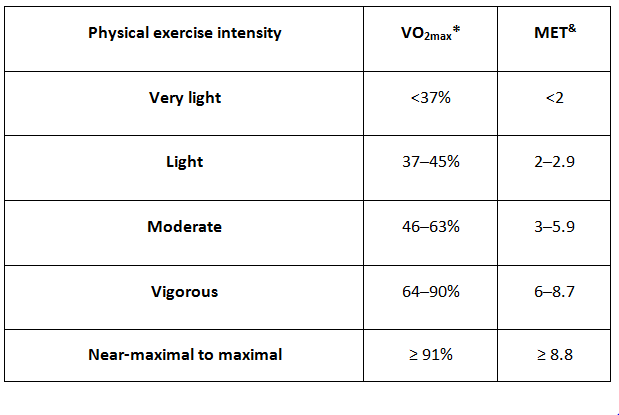
Table 1: Intensities of physical exercise

MET:  Metabolic equivalent of task (index of energy expenditure, 1 MET = 3.5 mL/kg/min oxygen uptake). *VO2max: Combined capacities of the pulmonary and cardiovascular systems to deliver oxygen to contracting skeletal muscles, and the ability of those muscles to utilize it.

Impact of Exercise on immune system and anti-inflammation process: Molecular pathways have been examine the past period to divulge the means by which practice of workout uphold neuro-protection and decreases the risk of evolving communicable and non-communicable chronic diseases.4 Practicing workout has an anti-inflammatory influence mediated through multiple pathways. And it works as system adjuvant that improves defense activity and metabolic health and it has shown that increased physical activity is related to lower mortality risk in individuals with type 2 diabetes, hypertension and cholesterol 4, 5.

Evidence says repeated moderate intensity exercise improve the immune function response, as an acute exercise stimulates the interchange of innate system cells and components between lymphoid tissues and also the blood compartment. Although transient, a summation effect occurs over time, with improved immune surveillance against pathogens and cancer cells and thus decreased systemic inflammation. COVID-19 (corona virus disease 2019) could be a disease answerable for the continued global pandemic and its spreading everywhere the planet 7, 8, 9, 10.

Recent studies have demonstrated that COVID-19 impair the system response by with rising in inflammatory cytokines including IL2, IL7, IL10, GCSF, IP10, MCP1, MIP1A, and TNFα 9 .The local response to infections or tissue injury involves the assembly of cytokines that are released at the location of inflammation, a number of these cytokines facilitate an influx of lymphocytes, neutrophils, monocytes, and other cells. The effect of exercise could also be ascribed to the anti-inflammatory response elicited by an acute bout of exercise, which is partly mediated by muscle-derived IL-6. The regular practice of moderate intensity of exercise has been extensively recommended to counteract sustained low-grade chronic inflammation within the periphery and also within the brain 11.

Effect of Physical Exercise on Cardio – Respiratory system:  Workout has many health benefits and plays an important role to reduce obesity, commodities and other ailments. Physical activity helps to improve metabolic health, decrease the risk of cardiac disorder and improve overall existence.12The prognosis of COVID 19 depends on the function and strength of cardio respiratory system of the infected individual which therefore affect the function of total system. On the basis of data analysis COVID 19 patients have a high level protein inflammatory cytokines and this is because SARS-COV2 binds with ACE2 receptor. The cytokine profile which plays as an anti-inflammatory task is induced because of workout and marks the increase of several potent anti-inflammatory cytokines like IL10, IL-1 receptor, antagonist IL1-ra and IL-6. Cytokine IL-6 increases the anti-inflammatory effects by exercise training. The anti-inflammatory response by the activation of protein inflammatory TRL4 on the surface of monocytes which help to maintain lung functioning properly is the benefit of proper workout. Daily workout helps to increase the lung functioning and lowers the risk of respiratory disorders. It also improves the maximal oxygen uptake resulting from both central and peripheral adaptations 13, 14.

Benefits and Risk related to physical exercise: There is still little known about the course of recovery, the physical capacity and physical limitations in patients who have had an active COVID-19 infection. Therefore, we should be careful while assessing and treating these patients32. Being active has been shown by many strong evidence and national health institutes to have many health benefits, both physically and mentally and it may lead to an individual live longer with less prevalence of chronic diseases and disabilities 33. In general, exercise does not provoke cardiovascular events in healthy individuals with normal cardiovascular systems. The probability of cardiac arrest or myocardial infarction is very less in individuals performing moderate intensity activity15, 25. Patients diagnosed with occult cardiovascular disease may have the risk of cardiac arrest or myocardial infarction if they perform vigorous exercise18, 19, 26, 27, 28, 29.

As a result of heavy vigorous exercise, in people having occult cardiovascular disease may result the prevalence of cardiac disease in the population. The Centers for Disease Control and Prevention currently recommends 30 min of moderate- to high-intensity exercise for at least 5 days a week for all healthy individuals. Physical fitness has multiple components, including cardio-respiratory fitness (endurance or aerobic power), musculoskeletal fitness, flexibility, balance, and speed of movement. Benefits of regular physical activity and/or exercise improve in cardiovascular and respiratory function by increasing maximal oxygen uptake resulting from both central and peripheral adaptations. The ERS/ATS suggests that patients with COVID-19 should be encouraged to do low/moderate intensity physical exercise at home (rather than high intensity physical exercise) in the first 6-8 weeks after hospital discharge, if a formal exercise assessment with measures of exertional desaturation has not been conducted 34, 35 .

Types of physical exercises: Regular physical activity is one of the most important things people can chose to improve their health. Moving more and sitting less have generous benefits for everybody, irrespective of age, sex, race, ethnicity, or current fitness level. The Centers for Disease Control and Prevention indorse physical activity according to the age on the other hand the American Physical guidelines second edition says that we can stimulate health benefits by 150-minute exercise every week by doing aerobics in a minimum of two days every week and muscle strengthening exercise for all age groups. Individuals with better capacity can do vigorous aerobic exercise by 75 minutes a week 16, 17.

Walking fast, doing aerobic exercises like swimming, and riding on a motorbike are examples of moderate aerobic exercise.6

  • Examples of moderate intensity aerobic exercises are: Walking fast, doing water aerobics, riding a bike on level ground or with few hills, playing doubles tennis, Pushing a lawn mower
  • Examples of vigorous intensity aerobic activity are: Jogging or running, swimming laps, riding a bike fast or on hills, playing singles tennis, Playing basketball

Disclaimer: This content is based on Guidance and Rehabilitation inside the hospital and outside, for a healthy population which has been documented to enable health professionals to make decisions in their daily clinical practice. The main goal is to homogenize care by improving upshots and enabling research. It summarizes and evaluates currently available rehab-relevant that gives indication by helping health professionals.

CONCLUSION

In a decennium, a lot of evaluation has substantiated the benefits of health related to regular physical activity. The normal functioning of the immune system is boosted with regular exercise. The anti-inflammatory influence of regular exercise is examined through various pathways; it functions as an immune system adjuvant, which improves defense reaction and metabolism.  Proper physical activity helps in decreasing the need of critical care that directs us to hospital re-admission. Early mobilization and re-engagement in physical activity is important in the prevention of systemic consequences of a critical care and hospital admission. Patients should workout in proportion to their functional status.

REFERENCES

  1. Hawley J.A., Hargreaves M., Joyner M.J., Zierath J.R. Integrative biology of exercise. Cell. 2014:738-749.
  2. Petersen A.M.W., Pedersen B.K. The anti-inflammatory effect of exercise. J. Appl. Physiol. 2005:1154-1162.
  3. Nieman D.C., Wentz L.M. The compelling link between physical activity and the body’s defense system. J. Sport Health Sci. 2019:201-217.
  4. Singhal T. A Review of Coronavirus Disease-2019 (COVID-19). Indian J Pediatr. 2020; 87(4):281‐286.
  5. Favalli EG, Ingegnoli F, De Lucia O, Cincinelli G, Cimaz R, Caporali R. COVID-19 infection and rheumatoid arthritis: Faraway, so close!.Autoimmun Rev. 2020; 19(5):102523.
  6. Kokkinos P. Physical activity, health benefits, and mortality risk. ISRN Cardiol. 2012; 2012:718789.
  7. Sun, P, Lu, X, Xu, C, Sun, W, Pan, B. Understanding of COVID‐19 based on current evidence. J Med Virol. 2020; 92: 548-551
  8. Zhou P, Yang XL, Wang XG, et al. A pneumonia outbreak associated with a new coronavirus of probable bat origin. Nature 2020; 579:270-3.
  9. Pedersen BK, Febbraio MA. Muscle as an endocrine organ: focus on muscle-derived interleukin-6. Physiol Rev 2008; 88:1379-406.
  10. Vuori I. The cardiovascular risks of physical activity. Acta Med Scand Suppl. 1986; 711:205-14.
  11. Gibbons LW, Cooper KH, Meyer BM, Ellison RC. The acute cardiac risk of strenuous exercise. JAMA. 1980; 244(16):1799-1801.
  12. Mittleman MA, Maclure M, Tofler GH, Sherwood JB, Goldberg RJ, Muller JE. Triggering of acute myocardial infarction by heavy physical exertion: protection against triggering by regular exertion. Determinants of Myocardial Infarction Onset Study Investigators. N Engl J Med. 1993; 329(23):1677-83.
  13. Siscovick DS, Weiss NS, Fletcher RH, Lasky T. The incidence of primary cardiac arrest during vigorous exercise. N EnglJ Med. 1984; 311(14): 874-7.
  14. Thompson PD, Funk EJ, Carleton RA, Sturner WQ. Incidence of death during jogging in Rhode Island from 1975 through 1980. JAMA. 1982; 247(18):2535-8.
  15. Willich SN, Lewis M, Lowel H, Arntz HR, Schubert F, Schroder R. Physical exertion as a trigger of acute myocardial infarction. Triggers and Mechanisms of Myocardial Infarction Study Group. N Engl J Med. 1993; 329(23):1684-90.
  16. Whang W, Manson JE, Hu FB, et al. Physical exertion, exercise, and sudden cardiac death in women. JAMA. 2006; 295(12):1399-1403.
  17. Giri S, Thompson PD, Kiernan FJ, et al. Clinical and angiographic characteristics of exertion-related acute myocardial infarction. JAMA. 1999; 282(18):1731-6.
  18. American Thoracic Society; American College of Chest Physicians. ATS/ACCP Statement on cardiopulmonary exercise testing. Am J Respir Crit Care Med 2003; 167: 211-277.
  19. . Hill K, Dolmage TE, Woon L, Coutts D, Goldstein R, Brooks D. Comparing peak and submaximal cardiorespiratory responses during field walking tests with incremental cycle ergometry in COPD. Respirology2012; 17: 278-284.
  20.  Holland AE, Hill K, Alison JA, Luxton N, Mackey MG, Hill CJ, Jenkins SC. Estimating peak work rate during incremental cycle ergometry from the 6-minute walk distance: differences between reference equations. Respiration 2011; 81:124-128.
  21. Luxton N, Alison JA, Wu J, Mackey MG. Relationship between field walking tests and incremental cycle ergometry in COPD. Respirology, 2008; 13:856-862.
  22. Sillen MJ, Vercoulen JH, van ’t Hul AJ, Klijn PH, Wouters EF, van Ranst D, Peters JB, van Keimpema AR, Franssen FM, Otten HJ, et al. Inaccuracy of estimating peak work rate from six-minute walk distance in patients with COPD. COPD 2012; 9:281–288.
  23.  Spruit MA, Vanderhoven-Augustin I, Janssen PP, Wouters EF. Integration of pulmonary rehabilitation in COPD. Lancet 2008; 371: 12-13.
  24. Ainsworth BE, Haskell WL, Herrmann SD, Meckes N, Bassett DR, Jr., Tudor-Locke C, et al.
    2011 Compendium of Physical Activities: a second update of codes and MET values. Med Sci Sports Exerc. 2011; 43(8):1575-81.
  25. Ainsworth BE, Haskell WL, Whitt MC, Irwin ML, Swartz AM, Strath SJ, et al. Compendium of physical activities: an update of activity codes and MET intensities. Med Sci Sports Exerc. 2000; 32(9 Suppl): S498-504.
  26. Vitacca M, Carone M, Clini EM, Paneroni M, Lazzeri M, Lanza A, et al. Joint Statement on the Role of Respiratory Rehabilitation in the COVID-19 Crisis: The Italian Position Paper. Respiration. 2020:1-7.
  27. Thomas P, Baldwin C, Bissett B, Boden I, Gosselink R, Granger CL, et al. Physiotherapy management for COVID-19 in the acute hospital setting: clinical practice recommendations. J Physiother. 2020; 66(2):73-82.
Citation:  
Amjad Annethattil, Mirshad Ali. Ayman Sabbagh (2020).  The Reality of Covid 19 Pandemic and Its Implication on Physical Activity and Exercise , ijmaes; 6 (4); 909-915.

Knowledge and Awareness on Human Papillomavirus Vaccination Among Final Year Nursing and Medical Students in Universiti Kebangsaan Malaysia Medical Centre

Rohani Mamat1, Fatimah Ahmedy2 Roziah Arabi3, Noratika Jais4, Nurul Syakila Ismail5, Mazlinda Musa6, Hamidah Hassan7, Siti Fatimah Saat8

Author

1,7,8 Department of Nursing, Faculty of Medicine and Health Sciences, Universiti Malaysia Sabah, Kota Kinabalu, Malaysia.

2Department of Medical Education, Faculty of Medicine and Health Sciences, Universiti Malaysia Sabah, Kota Kinabalu, Malaysia.

3,4,5 Department of Nursing, Faculty of Medicine, Universiti Kebangsaan Malaysia, Cheras, Malaysia.

Corresponding Author

6Department of Medical Education, Faculty of Medicine and Health Sciences, Universiti Malaysia Sabah, Kota Kinabalu, Mail id: mazlinda@ums.edu.my

ABSTRACT

Background: In Malaysia, the incidence is about 2145 new cervical cancer cases are diagnosed annually in 2012 with about 621 deaths (ICO, 2016). The aim of this study is to identify level of knowledge and awareness on HPV vaccination among final year nursing and medical students in Universiti Kebangsaan Malaysia Medical Centre (UKMMC).

Methodology: A cross sectional design study was carried out to identify the level of knowledge, level of awareness on HPV vaccination and the relationship between socio-demographic  variables with level of knowledge and level of awareness on HPV vaccination among final year nursing and medical students in UKMMC.

Result: Total 234 nursing and medical students were recruited in the present study. The results showed that most of student had high level of knowledge and awareness on HPV vaccination (85.9% and 100% respectively). For the association between socio-demographic data, findings showed that there was significant relationship between knowledge and race (p=0.006) and marital status (p=0.006) correspondingly. While, there were significant relationship between awareness and gender (p=0.001) and family history of cervical cancer (p=0.014) but had no relationship in race, economic status and marital status (p>0.05).While, there were significant relationship between the level of awareness and gender (p=0.001) and family history of cervical cancer (p=0.014).

Conclusion: In conclusion, nursing and medical students had high knowledge and awareness. Race and marital status affected the knowledge while gender and family history of cervical cancer affected the awareness.

Keywords: HPV vaccines, Students, Knowledge, Awareness, cervical cancer

Received on 8th November 2020, Revised on 22th November 2020, Accepted on 28th  November 2020 DOI:10.36678/IJMAES.2020.V06I04.007

INTRODUCTION

In worldwide, cervical cancer is the second most common cancer in women with incidence is approximately 445 000 new cases in 2012 with approximately 270 000 deaths (World Health Organization, 2014). In Malaysia, the incidence is about 2145 new cervical cancer cases are diagnosed annually in 2012 with about 621 deaths (ICO, 2016). Since cervical screening only detects neoplastic changes, HPV vaccination (HPVV) is the primary form of cervical cancer prevention (Armstrong, 2010). In 2010, Malaysia government announced an HPV vaccination programs for all 13-year-old girls at all school Malaysia (ICO, 2016)5. Healthcare professionals play an important role in providing information about HPV vaccination to society 8. Knowledge and awareness of the vaccination are essential for the healthcare professional to the successfulness of their role in providing such information.

However, previous studies have shown that healthcare professionals did not know or were not aware of the HPV vaccination. Nevertheless, previous studies only focused on knowledge and attitude on HPV vaccination only but there is no study on awareness variable on HPV vaccination.Little is known about the knowledge and awareness level among final year students in the medical fields. This study will provide adequate input regarding the knowledge, awareness and factor that affect the acceptance of HPV vaccination, which can help final year students be fully prepared to address these issues when they enter the real world situation in their work field. It is also help the final year students to implement awareness programmes for HPV vaccination at various levels. Therefore, the main objectives of this study are to examine the knowledge and awareness on human papilloma virus vaccination (HPPV) among final year nursing and medical students, and to determine factors associated with high level of knowledge and awareness 7, 10.

METHODOLOGY

It is a cross sectional study conducted from October 2016 until July 2017 at Universiti Kebangsaan Malaysia Medical Centre (UKMMC). Among the 4th year nursing students and 5th year medical students. All students were recruited for the study accepts those who were on medical leave or refused to participate. Basic demographic data gathered include gender, ethnicity, financial status, marital status and present of cervical cancer in the family. Ethnicity is defined as into two categories which are native (Malay or Sabahan/Sarawakian) and non-native (Chinese or Indian). Financial status is divided into high and low based on a threshold household income of RM 3500 monthly. On the other hand, marital status is categorised as either single or married/living with a partner.

The main outcome variables are level of knowledge and level of awareness on HPV vaccination. A self-assessed questionnaire was constructed consist of two main domains; level of knowledge and level of awareness with 16 and 15 items respectively. The domain of level of knowledge composed of 16 items with the scaling ‘Yes’ and ‘No’. The scoring is based on the number of “Yes” responses with a maximum attainable score of 16. A total score of less than 6 is considered as low level, a score of 6 to 11 as moderate level and a score of 12 or more as high level of knowledge.

The domain of level of awareness composed of 15 items rated using 5–point Likert’s Scale. The scale range from 1 to 5 (1- Strongly disagree, 2- Disagree, 3-Neutral, 4-Agree and 5- Strongly agree). The level of awareness is reflected by the total sum of the points with a minimum score of 15 up to a maximum score of 75. A total score of less than 38 implies low level of awareness while a score of 38 or more is considered as high level of awareness.

Data was analysed using Statistical Package for Social Sciences (SPSS) version 23.Descriptive analysis included frequencies and percentages of the demographic data and the scores of levels of knowledge and level of awareness. Independent T-test was used to determine association between the demographic variables and the scores. A p-value of less than 0.05 is considered statistically significant.

RESULTS

Demographic data

A total of 234 respondents among the final year nursing and medical students were received that corresponded with a response rate of 86% of the whole eligible respondents. (Out of 310 students). The majority of the respondents were Malay ethnic (72.6%) and two-thirds were female. More than half came from family with family income less than RM3500 per month. Most respondents were single with absent history of cervical cancer in the family. Details of the demographic data are shown in Table 1.

Table 1. Socio-Demographic Data

Level of Knowledge and Awareness on HPV vaccination.

The mean score of level of knowledge for all respondents was 13.2±1.77SD. Based on Table 2, most of the respondents demonstrated a high level of knowledge on HPV vaccination (85.9%) with a mean score of. None of the respondents showed a low level of knowledge.  Meanwhile all respondents had high awareness on HPV vaccination with the mean score of 54.7±5.02

Table 2. Level of Knowledge on HPV Vaccination among Respondents

The Association between socio-demographic and level of knowledge on HPV Vaccination

Statistical analysis has shown a significant association between the level of knowledge (based on the mean score) with ethnicity (p=0.006) and marital status (p=0.006) variables (Table 3). Non-Native and married status demonstrated a higher mean score of the level of knowledge however for ethnicity the mean scores for both native and non-native were categorised as high level of level based on the scoring threshold with a mean difference of 0.64. On the other hand, the mean score of the single status is within the moderate level of knowledge category.

Table 3. Level of Association between Socio-demographic data with Level of Knowledge on HPV Vaccination among Respondents

The Association between socio-demographic and level of Awareness on HPV Vaccination

There were significant differences between the mean score of the level of awareness with gender and present of history of cervical cancer (p=0.001 and 0.014 respectively). Male gender and the absent of the family history yielded lower mean score of level of awareness. Despite these significant differences, the means score for all variables were categorised as high level of awareness.  

Table 4. Level of Association between Socio-demographic data with Level of Awareness on HPV Vaccination among Respondents

DISCUSSION

This study revealed two major findings:  presence of high level of knowledge and awareness among the final year of medical and nursing students, and these level have demonstrated significant association with certain variables, namely ethnicity and marital status for level of knowledge, and gender and present of history of cervical cancer for level of awareness.

Majority of respondents had a high level of knowledge. It was found in the studies by Al-Naggar et al., (2010); Pandey et al., (2012); Rashwan and Saat., (2012) that stated that medical student had advanced knowledge about HPV vaccination than others students due to the fact that their education syllabus included more information regarding the disease, its treatment and prevention2,13,14. Further supported by Al-darwish et al., (2014), medical students are the future health professionals and it is important to evaluate their knowledge in order to develop education and awareness policy should there is the need increase their knowledge which can then be disseminated into the society to reduce the morbidity and mortality due to cervical cancer1. In contrast, another study showed that the level of knowledge on HPV vaccination was inadequate10. This may be explained due to respondents involved in this study are first year medical students who are seemed to have little effect on knowledge of HPV vaccination over time. It is imperative that nursing and medical students have adequate knowledge about cervical cancer and HPV vaccination because most of them fall within the age group reported to have high rates of HPV infection and also because as they will be a healthcare provider in future, their counsel and recommendation would facilitate primary and secondary prevention of cervical cancer.

Chinese and Indian respondents have high level of knowledge on HPV vaccination as compared to Malay native. This finding is same with a study done in United States stated that ethnicity influence the level of knowledge15. It reflects to the number of incidences of cervical cancer that had been diagnosed among Indian and Chinese are higher compared to Malay 12. With that, they might be susceptible to seek for extra knowledge on HPV vaccination for prevention in future. Yet, it is understandable that the lifestyle among the ethnicity is different and it will affect individual knowledge 4.

Marital status of respondents also shows significant relationship with level of knowledge on HPV vaccination. It was means that respondents who are married and living with partner will seek extra knowledge because they realized that they are more prone to get HPV infection since they had been exposed to sexual intercourse. Male and female of nursing and medical students in the present study had no difference in knowledge due to having a same educational level. Healthcare provider is the one that should influence community to have HPV vaccination. In order to complete the task, they must have a good knowledge either they are male or female.

In the present study, even the respondents had different family background who had differ in socioeconomic status, but still their knowledge on HPV vaccination are not too much different because they were studied in same institution and received same education syllabus during their studies. History of family in cervical cancer also shows no significant relationship with level of knowledge on HPV vaccination. It is rarely tested by others studies. However, it is considered as importance to identify how that family background can affect family members’ knowledge itself.  Besides, for those who had experience in taking care of family members diagnosed with cervical cancer might trigger themselves to seek extra knowledge as they probably faced the same problem in future. Yet, this reason can’t be proven as further study is needed.

Both nursing and medical students were very aware the important of HPV vaccination. Similar to studies have revealed an outcome that most of medical students in premier medical school in India had high level of awareness13. This shows that nursing and medical students had a high awareness on HPV vaccination because definitely they have impact on the understanding of this important public health issue, with regard to etiology of cervical cancer, availability of the HPV vaccine and its protective efficacy in their curriculum syllabus and clinical posting. Johnson et al., (2014) also found similar level of awareness in Nepali population. The present findings were differing from a study found that medical students had low awareness on HPV vaccination proved by only a small amount of respondents had been vaccinated with HPV vaccine 6 ,7. This could be explained by respondents of this study have reluctant attitude before onset of this study for the important topic and they rarely to practice it. The meaning of awareness on HPV vaccination is too broad to describe. Instead of that, awareness has a lot of interpretation in studies such as awareness regarding the availability of HPV vaccination, overall acceptance of HPV vaccine among the population and awareness of practice on HPV vaccination 13, 7. In the present study awareness was referred as awareness of HPV vaccination in the aspect of taking and promoting the HPV vaccine.  Regardless of interpretation meaning awareness, a future healthcare provider must have a high awareness on HPV vaccination to widespread acceptance of HPV vaccines and to lend enormous health benefits by decreasing morbidity and mortality associated with cervical cancer. Moreover, in the present study, the respondents were final year nursing and medical students who already had more clinical experience during their posting and they should have prepared themselves to face any concerns on HPV vaccination from community.

In the present study showed that there was a significant relationship in gender and level of awareness on HPV vaccination. Male students were likely to have less awareness of HPV vaccination compared to female. This finding is similar by a study done by Reimer et al., (2014), where the results indicated that female have high awareness compared to male15. The result of the present study, HPV vaccination is most related with the participation of female in order to prevent cervical cancer. So, it is reasonable for female to have better awareness on HPV vaccination. Respondents who had family history of cervical cancer will have more concern of awareness on HPV vaccination because they had experienced by themselves to see the poor prognosis of family member who had been diagnosed with cervical cancer. By having high awareness, at least they were able to get vaccination for the prevention of HPV infection.

Through this study, there was no significant relationship between race and level of awareness on HPV vaccination. However, a study done in California showed a contras result, where ethnicity contribute on level of awareness on HPV vaccination. These results were differing from the result of present study because it is understandable that there are no known any issues of racism occur in Malaysia, unlike in other countries, racism has been lighted as the reason why ethnicity bring a huge effect on level of awareness on HPV vaccination. Sometimes in certain country, minor ethnicity had been neglect by community in order to get vaccination. For example, in Malaysia, the immunisation-based programmes were opened to all citizens regardless of race. So, either the respondents were from minor ethnicity or major ethnicity, it will not affect the level of awareness due to harmony of ethnicity in Malaysia. The result of no significant relationship between race and awareness also might be due to Malay respondents was the majority races who participated in the present study11.

It is not a factor that the respondents who had different family background with differ in socioeconomic status can affect the awareness on HPV vaccination among themselves. This may be due to precious knowledge that already exists in themselves as a nursing and medical student which go beyond limits in all over situation. It similar to a study done in Australia stated that socioeconomic status and living in remote area during childhood and parental religion were not suggestively associated with being vaccinated (Tung et al., 2016)16.Marital status is not a deal for individual for having high or low awareness on HPV vaccination. It was means that whether the respondents were married or non-married, it will not be a factor contribute to awareness on HPV vaccination due to awareness that present in themselves as they had same exposure on how important of HPV vaccination and the impact of neglect the vaccination. Similarly, a study by Marlow et al., (2009) found that whether married or unmarried women had no different in vaccinating HPV vaccine9.

Ethical clearance: Ethical clearance was obtained from Malaysia National University for project code: ff-2017_106 with Ethic committee ref no: UKM PPU111/&/JEP-2017-150

Conflicts of Interest: The author declares that there is no competing interest in publishing this article.

Fund for the study: This is self-funded study.

CONCLUSION

This study has shown that the level of knowledge and awareness on HPV vaccination are high   among the final year of medical and nursing students.   Although several factors are shown to associated with the level of knowledge and awareness, the mean score for majority of the variables are within high level. Further evaluations including a more scrutinised statistical analysis on the practice of implementing HPV vaccination education by this future healthcare professional would provide a better picture on translating the knowledge into practices. However, the limitation of the study was these findings are not representing knowledge and awareness of whole number for nursing and medical students in Malaysia.

REFERENCES

  1. Al-Darwish Aa, Al-Naim  Af, Al-Mulhim Ks, Et Al (2014). Knowledge About Cervical Cancer Early Warning Signs and Symptoms, Risk Factors and Vaccination Among Students at A Medical School in Al-Ahsa, Kingdom of Saudi Arabia. Asian Pacific Journal of Cancer Prevention, 15, 2529–2532.
  2. Al-Naggar Ra, Al-Jashamy K, Chen R (2010). Perceptions and Opinions Regarding Human Papilloma Virus Vaccination among Young Women in Malaysia. Asian Pacific Journal of Cancer Prevention, 11(6), 1515–1521.
  3. Armstrong Ep (2010). Prophylaxis of Cervical Cancer and Related Cervical Disease. Journal of Managed Care Pharmacy, 16(3), 217–230.
  4. Bostean G, Crespi Cm, Mccarthy Wj (2013). Associations among Family History Of Cancer, Cancer Screening And Lifestyle Behaviors : A Population-Based Study. Springer Science Business Media Dordrecht, 1491–1503.
  5. Sylvia Taylor, et al (2016).The incidence, clearance and persistence of non-cervical human papilloma virus infections: a systematic review of the literature, BMC Infectious Diseases, 16, 293.
  6. Johnson Dc, Bhatta Mp, Gurung S, Et Al (2014). Knowledge and Awareness of Human Papillomavirus (Hpv), Cervical Cancer and Hpv Vaccine among Women in Two Distinct Nepali Communities. Asian Pacific Journal of Cancer Prevention, 15(19), 8287–8293.
  7. Joshi Ad, Bhagat Sb, Patil Kc, Gambree Rs, Patel Sb (2014). To Evaluate the Awareness About Human Papilloma Virus (Hpv) Vaccine in The Prevention of Cervical Cancer Amongst the Medical Students: A Kap Study. International Journal of Allied Medical Sciences and Clinical Research, 2(4), 358–366.
  8. Maharajan Mk, Rajiah K, Num Ksf, Yong Nj (2015). Knowledge of Human Papilloma virus Infection, Cervical Cancer and Willingness to Pay for Cervical Cancer Vaccination among Ethnically Diverse Medical Students in Malaysia. Asian Pacific Journal of Cancer Prevention, 16(14), 5733–5739.
  9. Marlow Lav, Wardle J, Forster AS, Waller J (2009). Ethnic Differences in Human Papillomavirus Awareness and Vaccine Acceptability. Journal Epidemiology Community Health, 1010–1015.
  10. Mccusker Sm, Macqueen I, Lough G, Et Al (2013). Gaps in Detailed Knowledge of Human Papillomavirus (Hpv) and the HPV Vaccine among Medical Students in Scotland. BMC Public Health, 13, 264.
  11. Pandey D, Vanya V, Bhagat S, Binu Vs, Shetty J (2012). Awareness and Attitude towards Human Papillomavirus (Hpv) Vaccine among Medical Students in a Premier Medical School in India. Plos One, 7(7), 8-13.
  12. Rashwanh, Saat N (2012). Knowledge, Attitude and Practice of Malaysian Medical and Pharmacy Students towards Human Papillomavirus Vaccination Knowledge, Attitude and Practice of Malaysian Medical and Pharmacy Students towards Human Papilloma virus Vaccination. 4-7.
  13. Reimer Ra, Schommer Ja, Houlihan Ae, Gerrard M (2014). Ethnic and Gender Differences in Hpv Knowledge, Awareness, and Vaccine Acceptability among White and Hispanic Men and Women. Journal Community Health, 274–284.
  14. Tung Ily, Machalek Da, Garland Sm (2016). Attitudes, Knowledge and Factors Associated with Human Papilloma virus (Hpv) Vaccine Uptake in Adolescent Girls and Young Women in Victoria, Australia. Plos One. 1–16.
  15. Urska Grdadolnik Ms (2016). The Impact of Socio-Economic Determinants on the Vaccination Rates with Rotavirus and Human Papiloma Virus Vaccine. National Institutes of Public Health, 55(1), 43–52.
  16. Uzunlar O, Ozyer S, Baser E, Et Al (2013). A Survey on Human Papilloma virus Awareness and Acceptance of Vaccination Among Nursing Students In A Tertiary Hospital In Ankara, Turkey. Vaccine, 31(17), 2191–2195.
  17. Zhang Y, Wang Y, Liu L, Et Al (2016). Awareness and Knowledge about Human Papilloma virus Vaccination and Its Acceptance in China: A Meta-Analysis of 58 Observational Studies. Bmc Public Health, 16(1), 216.
Citation:  
Rohani Mamat, Fatimah Ahmedy, Roziah Arabi, et al.(2020). Knowledge and Awareness on Human Papillomavirus Vaccination Among Final Year Nursing and Medical Students in Universiti Kebangsaan Malaysia Medical Centre, ijmaes; 6 (4); 899-908.

The efficacy of intensive simulation airway management training program on the final year nursing in one of health training institutions in Northern Borneo

Mazlinda Musa1, Fidelia Ferderik Anis2, Hamidah Hassan3,  Siti Fatimah Saad4, Farhana Harzila Mohd Bahar5, Rohani Mamat6, Syed Sharizman Syed Abdul Rahim7

Authors

1,5Department of Medical Education, Faculty of Medicine& Health Science, University of Malaya Sabah

2Department of Nursing Sciences, Faculty of Nursing & Allied Science, Open University Malaysia, Kuala Lumpur

4,6Department of Nursing, Faculty of Medicine& Health Science, University Malaysia Sabah

7Department of Community and Family Medicine, Faculty of Medicine& Health Science, University Sabah, Malaysia

Coresponding Authors

3Professor,Department of Nursing, Faculty of Medicine& Health Science, University Malaysia Sabah Email: hamidahhassan9@ums.edu.my

ABSTRACT

Background: Managing airway is very crucial and it is the essential component in emergency care syllabus throughout nursing program training. It is impossible to learn on artificial airway management in the real clinical zone due to the complexity of clinical conditions and the variations of treatment procedures This study is to evaluate the effectiveness of the simulation airway management training program developed for the final year nursing students whom rarely been assessed before they were posted into the real learning environment.

Methodology: This is a quasi-experimental one group of pretest and posttest of final years nursing were exposed with the Intensive simulation of airway management technique which includes BLS, measure and insertion of oropharyngeal, high flow O2 administration, interpret ECG, use of defibrillator and understanding role of arrest team during emergency.

Results: There exists adequate evidence to show that there was a significant different in the mean score of pretest and the mean score of posttest. The result shown significant with CI95% (-0.53414, -0.09586), t= -3.009, df = 19 and P<0.05.

Conclusion: Intensive simulation training program on airway management serves as a bridge on the breachamid class room teaching and the applied skills. It acts as a reinforcement strategy on the technical and nontechnical skills to determine their competency the most important thing derived from this study is the increases of students’ sense of security and confidence before they are exposed to real clinical areas.
 
Keywords: Airway Management, Simulation Training, Nursing Student,Confident Level, Emergency
Received on 6th November 2020, Revised on 20th November 2020, Accepted on 26th  November 2020

DOI:10.36678/IJMAES.2020.V06I04.006

INTRODUCTION

Clinical attachment to the Emergency and Trauma Department was a requirement in the curriculum for final year nursing students in Health Training Institutions in Northern Borneo. The clinical objective of this two-week clinical placement was to gain knowledge and skills in delivering care for critically ill patients such as Traumatic Brain Injury (TBI), Motor Vehicle Accident (MVA),and other trauma-related injuries. They were also required to enhance their confidence level in involving airway management during resuscitation in the red zone, such as preparing for endotracheal tube (ETT) insertion and intubation. Airway management was a part of the basic in Basic Life Support training. The final year of the Health Training Institutions in Northern Borneo nursing students had already received the Basic Life Support training when they were in Year Two Semester Two 2 (almost 1 year before). Therefore, airway management was not a new practice for them as they already experience basic resuscitation in the ward. However, it was different for clinical placement especially critical environments such as the Emergency and Trauma Department. Williams and Palmer (2013) and Rushton (2015) suggested that critical clinical settings may contribute the most creating nervousness circumstances for nursing students, and this may interfere with their performance, confidence level,and ability to learn14,11. Nursing students need the experience of confronting challenges in the care of patients they will undoubtedly face in real-world health care settings.

Simulation training was not a new experience among final year nursing students in Health Training Institutions in Northern Borneo. The curriculum in the Health Training Institute requires simulation for almost all procedures related to nursing practices such as wound dressing, insertion of the Ryle’s Tube, and vital observation. Simulations are defined as situations where models were used for practice and to gain experience that will enhance students’ practical skills (Munangatire & Naidoo, 2017)6. The use of simulations in clinical skills training can stimulate deep learning and help students to bond the breakamid theory and practice in nursing (Marucaet al.,2015)4. Satyapal, Rout, and Sommerville (2018) wrote that in airway simulation drill has been part of most recommended internationally12. Still, even though the benefits shown for intermediate results such as trainee fulfilment (Roh, Kim, and Kim, 2014), skills attainment and behaviour-process, simulation has not yet been established to have a substantial effect on patient outcomes10.

McGough and Heslop (2016) suggested that the development of authentic simulation activities grounded in clinical practice and clinical standards will enhance and personalize the learners’ experience and assist students in developing critical thinking relevant to the healthcare environment5. The advantages of simulation drill also include calibration and recurrence of content, interactive education in a clinical setting without compromising patient safety (Ballangrudet al., 2013 and Sideraset al., 2013), and the capability to strategize goal-oriented clinical involvements1,13. Simulation brings a learner-attentive, non-threatening educational setting that was unencumbered by patient service obligations. This has been revealed in many studies where simulations positively impacted on clinical decision-making and patient care, and there has been considerable interest in the use of simulation in nurse training 5.

Problem statement: All final year nursing students of Health Training Institutions in Northern Borneo were allocated to the Emergency and Trauma Department to gain experience in critical care. However, this was their first time entering the Emergency and Trauma Department. Williams and Palmer (2013) stated that extreme anxiety might be experienced by a nurse who first time entering critical care. According to Williams and Palmer (2013) and Lin (2016), generally, clinical settings have long been described as one of the most anxiety -producing situations for students and this could affect with their performance and ability to study14,3. Prior to their first clinical attachment to the Emergency and Trauma Department, some of the final year nursing students of Health Training Institutions in Northern Borneo verbalize anxiety towards the critical environment. Rushton (2015) stated that students might express fear, feel unprepared and anxious towards the critical clinical setting because ofa lack of exposure to the critical environment11.  

Previous final nursing students of Health Training Institutions in Northern Borneo hadverbalized low confidence in handling airway management during resuscitation at the red zone. Staffs of the Emergency and Trauma Department also verbalize that some of the previous final nursing students were reluctant to participate during resuscitation in the red zone. Williams and Palmer (2013) also suggested that critical care settings,such as the intensive care unit and emergency department were probable to become more demanding in the upcoming due to advances in technology and health care14.Lacks of placement opportunities also contribute anxiety among students as stated by Rushton (2015).This study aimed to determine the efficacy of simulation training in airway management among final year nursing students of Health Training Institutions in Northern Borneo11.

METHODOLOGY

This was a quasi-experimental research design, in which the participant was divided into test and control group without randomization. According to Polit and Beck (2014), the quasi-experimental research design was the non-equivalent control group pretest-posttest design, which involving comparing two or more groups of people before and after implementing an intervention7. Figure 3.1 shows the research framework on simulation training efficacy in airway management during resuscitation in the red zone among final year nursing students of Health Training Institutions in Northern Borneo. A total sample of forty final year nursing students were selected for this study. This was a comparative study involving twenty final year nursing students (test group) with simulation on airway management before going to the Emergency and Trauma Department (ETD), versus twenty final year nursing students (control group) posted directly to the Emergency and Trauma Department (ETD) without simulation on airway management. We divided these forty nursing students into two groups mentioned above by draw lots to assure fairness.  Both groups were assigned to the Emergency and Trauma Department by batch.

Both the test and control group attended classes and lectures on airway management according to their actual curricular provided by the Health Training Institute. However, the test group was given a simulation training focusing on airway management by the researcher before they wentto ETD for clinical experiences. While the test group was undergoing simulation training, the control group was assigned to ETD as the first batch to complete their two weeks of clinical experience. After that, the second batch, which was the test group, was sent to ETD for clinical experience. By the end of their two weeks of clinical posting in ETD, all forty final year students were required to give their feedback. Efficacy of the simulation training in airway management during resuscitation in the red zone among the test group was assessed by comparing the confidence level before and after they were posted into ETD with the confidence level of the control group before and after their clinical experience in Emergency and Trauma Department.

Figure 1.1: Research framework on simulation training efficacy in airway management during resuscitation in red zone among final year ILKKM KK nursing students.

Research instruments: Two instruments were used to assess how well simulation training met student learning needs which were 1) Modified Pre-testPost-test Design Tool, and 2) Simulation Efficacy Tool Modified (SET-M). The two instruments used to assess the efficacy of simulation training in airway management during resuscitation at red zone explained as below:

The modified pre-test and post-test design was a tool to measure the confidence of third-year undergraduate nursing students for placement into a high-acuity clinical setting (Porter et al., 2013)8.

Figure 1. 2:  A diagram of the relationship between the test group and the control group design.

Figure 1.2 shows a diagram of the relationship between the test group and the control group design. The design allows researchers to compare the final post-test results between the test and control group. In the role of X and X1, the researcher was able to see both groups changed from pre-test to post-test which shows both or neither improved over time. Comparing the scores in the two pre-test groups can be done to ensure that the randomization process was effective (B).  

This survey was designed by Porter et al. (2013); the author and her team was an expert panel consisting of academicians and clinicians8. The evaluation tool comprised three sections which reflected collated data relating to (1) participant characteristics including age and gender, (2) self-reported readiness for clinical placement in the Emergency and Trauma Department, and (3) participant confidence level with individual clinical skills.

RESULT

The statistical analysis SPSS version 25.0 was used. First step was to recode the negative items found in question B into positive items. Recode command was used to recode negatively stated items by replacing the original response code into the new response code (recode into the same variables). The negatively stated items were found in the questionnaire used to test for confidence level among the test group as in Appendix F: Modified Pre-test/Post-test survey, questions no 1, 4, 6, 8, and 10 are negatively stated.

After done with the coding process, each component for pre and post-test for the test group was set to transform then compute variables to get the mean. After getting the mean, the skewness test was conducted to identify normal distribution. It is normally distributed as shown in the bell shape histogram. This is to fulfil the assumption for a paired T-test.

One group of pre-test and post-test of twenty final years nursing students with a convenience sampling technique approach. Students were exposed to the Intensive simulation of airway management technique which includes BLS, measure and insertion of the oropharyngeal, high flow O2 administration, interpret ECG, use of the defibrillator and understanding the role of arrest team during an emergency. The questionnaire on confidence level was given before and after the simulation of airway management. There exists adequate evidence to show that there was a significant difference in the mean score of the pre-test and the mean score of the post-test. The result in table 1 shown significant (CI95% (-0.53414, -0.09586), t= -3.009, df = 19, p<.05).

Table 1 Paired Samples Test shown significant difference in pre and post test.

DISCUSSION

Student nurses thattangled in an arrest situation while on clinical placement require clinical supervision of critical placement. The clinical instructor must be a qualified BLS trainer/ educator. Guide nursing students to verbalize their feelings in handling airway management during resuscitation at the red zone, which “harming the patient,” “making mistakes,” and “feeling unprepared” were described as nursing-student worries. Staffs of the Emergency and Trauma Department need to take part in supervising and mentoring students to participate during resuscitation in the red zone. It is essential to expose students with advances in technology and health care during clinical placement to enhance their It skills. There is also a need to increase placement opportunities to reduce anxiety among students. Those reported in previous studies consist of many data reflected concern of clinical placement. Feeling “not yet prepared enough;” “as though all the knowledge hasn’t come together;” “anxious about the … responsibility;” and in a “constant state of panic” were reported by student prior to commencing clinical placement. Students acknowledged that “more clinical placement time” would patronage in calming these fears.Recognize barriers to a clinical placement that may hinder new graduate nurses’ potential to recognize and respond to clinical complexities. This includes hospital consolidations, decreases in the number of nurses willing to serve as preceptors, further constrained due to low patient census, high-acuity patient populations, and safety considerations (Richardson and Claman, 2014)9.

An intensivesimulation training program on airway management serves as a bridge on the gap between classroom instruction and practical application. It acts as a reinforcement strategy on the technical and non-technical skills to determine their competency. The most important thing derived from this study is the increases in students’ sense of security and confidence before they are exposed to real clinical areas. Students were excited to get off to the field as soon as possible to apply their skills. Therefore, this program is a stepping stone to prepare them to gain on the real experience. In future research, researcher may suggest a real-world 3D virtual nurse simulation training in airway management. This was a much better learning environment compared to manikins-based simulation training. A 3D virtual simulation was more realistic and nursing student were able to encounter different kind of emergency situation, this may help them in improving their critical thinking and make fast clinical judgement. A 3D virtual simulation was also very interactive and challenging to the students.

Ethical clearance: Ethical clearance was obtained from the National Medical Research Register NMRR-18-1887-42432. National Medical Research Register (NMRR) was a web-based service initiated by National Institutes of Health (NIH) of the Ministry of Health (MOH) National Institutes of Health (NIH) of the Ministry of Health (MOH).

Conflicts of Interest: There is no conflict of interest in this study.

Fund for the study: This is self-funded study.

Conclusion: Intensive simulation training program on airway management serves as a bridge on the breachamid classroom teaching and the applied skills. It acts as a reinforcement strategy on the technical and nontechnical skills to determine their competency the most important thing derived from this study is the increases of students’ sense of security and confidence before they are exposed to real clinical areas.

REFERENCES

  1. Ballangrud, R.,Hall-Lord, M.L.,Hedelin, B., &Persenius, M.(2013). Intensive care unit nurses’ evaluation of simulation used for team training. British Association of Critical Care Nurses, 19(4), 175. Retrieved 5 Mei 2018, from CINAHL database.
  2. Boellaard, M. R., Brandt, C. L., Johnson, N. L., &Zorn, C. R. (2014). Practicing for practice: Accelerated second baccalaureate degree nursing (Absn) students evaluate simulations. Nursing Education Perspectives, 35 (4), 257. Retrieved 4 Mei 2018, from CINAHL database.
  3. Lin, H.H. (2016). Efficacy of simulation-based learning on student nurses’ self-efficacy and performance while learning fundamental nursing skills. Technology and Health Care, 24, 369–375.Retrieved 5 Mei 2018, from CINAHL database.
  4. Maruca, A. T., Díaz D. A., Kuhnly J. E.,&Jeffries P. R.. (2015). Enhancing Empathy in Undergraduate Nursing Students: An Experiential Ostomate Simulation. Nursing Education Perspectives, 36 (6), 367.Retrieved 10 Mei 2018, from CINAHL database.
  5. McGough, S., &Heslop, K.(2016). Creating simulation activities for undergraduate nursing curricula. Australian Nursing & Midwifery Journal,24 (3), 34.Retrieved 10 Mei 2018, from CINAHL database.
  6. Munangatire, T., & Naidoo, N.(2017). Exploration of high-fidelity simulation: Nurse educators’ perceptions and experiences at a school of nursing in a resource-limited setting. Africa Journal Health Professions Educ, 9(1), 44-47. Retrieved 6 Mei 2018, from Pro Quest database.
  7. Polit, D. F. and Beck, C. T. (2014). Essentials of Nursing Research: appraising evidence for nursing practice. 8th Edition. Philadelphia, USA. Lippincott Wiliams & Wilkins.
  8. Porter,J.,Morphet, J., Missen, K.,& Raymond, A. (2013). Preparation for high-acuity clinical placement: confidence levels of final-year nursing students.Advances in Medical Education and Practice, 4, 83–89.Retrieved 10 Mei 2018, from CINAHL database.
  9. Richardson, K. J., &Claman, F. (2014). High-fidelity simulation in nursing education: a change in clinical practice. Nursing Education Perspectives, 35(2), 125. Retrieved 10 Mei 2018, from CINAHL database.
  10. Roh, Y.S., Kim, S.S., & Kim, S. H.(2014). Effects of an integrated problem-based learning and simulation course for nursing students. Nursing and Health Sciences, 16, 91–96. Retrieved 1 Mei 2018, from CINAHL database.
  11. Rushton, M. (2015). Simulation and student pathway to critical care. British Journal of Cardiac Nursing, 10 (2), 93 -97.Retrieved 1 Mei 2018, from ProQuest database.
  12. Satyapal, V.M., Rout, C.C., & Sommerville, T.E. (2018). Errors and clinical supervision of intubation attempts by the inexperienced. Southern African Journal of Anaesthesia and Analgesia, 24(2), 47–53.Retrieved 10 Mei 2018, from CINAHL database.
  13. Sideras, S., McKenzie G., Noone J., Markle D., Frazier M., & Sullivan M. (2013). Making simulation come Alive: standardized patients in undergraduate nursing education. Nursing Education Perspectives, 34(6), 421.Retrieved 5 Mei 2018, from CINAHL database.
  14. Williams, E., & Palmer, C. (2013). Student nurses in critical care: benefits and challenges of critical care as a learning environment for student nurses. British Association of Critical Care Nurse, 19(6), 310-313.Retrieved 1 Mei 2018, from CINAHL database.
Citation:  

Mazlinda Musa, Fidelia Ferderik Anis, Hamidah Hassan., et al.(2020). The efficacy of intensive simulation airway management training program on the final year nursing in one of health training institutions in Northern Borneo, ijmaes; 6 (4); 890-898.

Preliminary Development of Assessment Tool of Leadership Style

Siti Fatimah Saat1, Zakira M2, Shariza A R3, Zainah Mohamed4, Hamidah Hassan5,Farhana Harzila Mohd Bahar6 , Syed Sharizman Syed Abdul Rahim7, RohaniMamat8, Mazlinda Musa9

Authors

1,5,6,7,8 Faculty of Medicine and Health Sciences, Universiti Malaysia Sabah, Kota Kinabalu Malaysia

2,3Faculty of Medicine and Health SciencesUniversitiSains Malaysia, KubangKerian, Kelantan, Malaysia

4Faculty of Medicine and Health Sciences Universiti Kebangsaan Malaysia,  Kuala Lumpur, Malaysia

Coresponding Author

9Faculty of Medicine and Health Sciences, Universiti Malaysia Sabah, Kota Kinabalu. Malaysia. Mail id:mazlinda@ums.edu.my

ABSTRACT

Background: Leadership might be hard to define, but it’s easy to recognize.  In nursing, there are certain skills required from nurse managers so as to be able to use these effective leadership styles. The skills include the ability to create an organization culture that combines high-quality health care, patient/employee safety, highly developed collaborative and team-building skills. This paper presents the preliminary study of the development of the assessment leadership tool.
Methodology: Questionnaire for leadership styles was adapted from Northouse (2014) while working motivation was adapted from Purohit et al., (2016). The modification was done for leadership styles questionnaire from 35 modified into 48 question and tool on nurses’ motivation from 19 items modified into 28 items using literature guidance and expert opinion.
Results: Preliminary development of tool reliability test using internal consistency cronbach’s alpha result shown that for leadership styles questionnaires which are consisted of 48 items is (α = 0 .77) and working motivation consisted of 28 items is (α = 0.70). Minor modification needed after the literature searching and analysis of pre-test stage, the discussion with expert person after they go through the questionnaires also suggested some additional info are needed.
Conclusion: Assessment on working motivation among nurses is also recommended to overcome the issues on working retention among them. Investigation regarding which appropriate leadership style need to be explored and the level of working motivation among nursing staff should be monitored regularly.    
Keywords: Leadership Style, Assessment Tool, Nurse Manager, Healthcare
Received on 4th November 2020, Revised on 18th November 2020, Accepted on 24th  November 2020 DOI:10.36678/IJMAES.2020.V06I04.005

INTRODUCTION

Every organisation has different levels of management to undertake and to ensure the activity of that organisation is working smoothly. The absence of effective leadership is equally dramatic in its effects. Without a good leadership manager, organisations will deviate from their primary objectives, such as excellent patient care (Ali, Jangga, Ismail, Kamal, & Ali, 2015)5.

In a hospital setting, nurses represent more than 50 per cent of the main workforce and how well nurses are motivated directly affect the quality of patient care delivery and the outcomes (Storch, Schick Makaroff, Pauly, & Newton, 2013)19. Therefore, a nursing manager is considered as the vital individual needed to lead the nursing team.Managing nursing staff is not a simple task; the manager, herself/himself, should havegood leadership values to ensure that the team will be well-led (Saleem, 2015)18.

The leadership styles of the nursing managers are essential for nurses in daily work while at the same time motivating them to achieve a high quality of patient care (Yildiz, Ayhan, &Erdogmuş, 2009)20. According to Cheung &Ching (2014), a team leader’s experience has been found to increase working performance among team members and their work relationship8.

The leadership styles and attitudes affected the outcomes of the views of the employees towards their jobs (Curtis, Vries, & Sheerin (2011); Saleem, 2015)9,19. Same goes to the nurse’s team whereby the excellent leaders should enhance nurses’ in their working motivation, and quality of health care services in hospital (Saleem, 2015) and Hutchinson & Jackson (2013) revealed that transformational leadership has a positive impact on job satisfaction and transactional leadership has a negative effect on job satisfaction19,12. They also suggested that perceived organisational politics partially mediate the relationship between leadership styles and job satisfaction. However, in Malaysia,various leadership styles are being practised in managing nursing staff in hospitals and related healthcare organisations.

There are few styles of leadership such as autocratic, bureaucratic, laissez-faire, charismatic, democratic, participative, situational, transactional and transformational (Avolio, Walumbwa, & Weber, 2009) while nursing leaders tend to use any leadership style that is suitable and comfortable to them3. A few methods have positive values, while some are negative. The styles with negative values will promote negative impacts toward team and will create various problems among the team members (Curtis &O’Connell, 2011)10. Most leaders did not seemto be aware that their leadership styles may not be appropriate to practice because they are notequipped with the formal training in leadership styles (Lankshear, Kerr, Spence Laschinger, & Wong, 2013)15. However, the transformational leadership style contributes to positive impacts and plays a crucial role in developing the team (Abualrub&Alghamdi, 2012)2. Indeed, the nature of employees’ relationships with their managers determines how long the employees remain with the organisation and how productive they are within the organisation.

Current research related to leadership styles implementation, particularly among nurses, were minimal. In most cases, a nursing leader depends mostly on their own experiences or the orders from the superior management to manage their staffs. Knowledge about the appropriate type of leadership styles engagedby nurse managers is still unclear. On the other hand, there are no proper or gazetted written orders for each nursing manager to apply any style of leadership in managing their staff.Thus, specific tools are needed to assess the leadership styles applied by the nurse managers and their impacts to the nursing staffs.

METHODOLOGY

The validation process is done to validate two sets of questionnaires; one set of leadership styles questionnaire and one set of working motivation questionnaire. “The Working Motivation” questionnaires (Purohit et al., 2016) are adopted and adapted to assess working motivation among nurses while “The Leadership Questionnaire (LQ)” by Northouse (2014) adopted and adapted to measure the frequency of behaviours of the leaders, so it is very close to the actual environment and has high validity16. Firstly, face validation was done followed by back to back translation, pilot study and reliability test.Face validity was achieved after the questionnaires were modified based on the discussion and suggestion given by the two experts of the related fields. Back-to-back translation from English to the Malay languagewas doneto ensure that the questionnaires are suitable with Malaysian respondents. A pilot test was conducted with 30 respondents for each set of questionnaires. After modifying the questionnaires, 30 respondents from the target group were selectedto undertakea pre-test. A short briefing session regarding the instructions of the questionnaires was done before the respondents started to answer it according to the allocated time, which is 30 minutes.After the pre-test, all respondents were invited to share their opinions towards the questionnaires. Reliability test was the last step taken to validate the questionnaires. The data from pre-test was collected and analysed using Statistical Package for the Social Sciences (SPSS) version 24. The purpose of this stage wasto look for the reliability of the questionnaires,and two analysis was done; the principal component analysis and Cronbach’s Alpha.

The quantitative data were also analysed using SPSS. Quantitative data analysis such descriptive statistics including means, percentages, medians, ranges, and variances were calculated based on appropriateness for all variables. These analyses allowed researchers to develop an initial understanding of the data collected during the quantitative phase. The ethical clearance from the National Medical Research is obtained. An approval from the director/dean of teaching hospitals about data collection is given. Written consent was given to each respondent before they were involved in this study. Their participation in the study was optional as they were allowed to pull out from the study any time with their data remained confidential. All data and responses gathered were mainly used for the sake of research purposes and will be disposed of after the results of the study were published.Token of appreciation is given to all respondents. The data collection was done within guidelines to avoid biases and vulnerability. Explanation of the procedure is provided to minimise the potential of stigmatisation.

RESULTS

Minor modifications were done to the questionnaire as suggested by the experts.In the first stage, a questionnaire to assess working motivation with 26 items, was adopted and adapted. However, the questionnaire was modified to suit the local context by adding 7 new items which contribute to a total of 33 items in the final questionnaires.The adapted questionnaire consisted of 33 itemswere distributed to all target respondent. According to the respondents’ feedbacks, words simplification was needed with the questionnaire to ensure optimum understanding can be achieved.While for the leadership styles questionnaire, the author adopted and adapted the questionnaire from The Leadership Questionnaire (LQ) by Northouse (2014) but focusing only on 36 items for full range Leadership Model factors16. The questionnaire was modified as 16 items were added, which made the total of the item to 52 items for the leadership styles section.The questionnaire was translated fromEnglish to Malay language version to suit with the author target group. Statistical analysis was done to look for the questionnaire’s reliability. The result of the reliability testshowed that for leadership styles questionnaires which consisted of 52 items (α = 0 .77) and working motivation included 33 items (α = 0.70).

The questionnaires were more suitable for the use of the target group based on the results after the validation process was taken. The questionnaires on leadership styles are appropriate to assess which type of leadership style is being used by a particular leader. In contrast, thequestionnaireon working motivation is suitable to use to assess working motivation among nurses. Thus, with these questionnaires, nursing leaders should be able to practice and applyan appropriate leadership style to reduce stress and improve motivation among the nursing team.    

DISCUSSION

The main purpose of this process is to validate two sets of survey questions on the type of leadership used by a leader and also a questionnaire on the level of work motivation. After the validation process is carried out in detail, it is found that the questionnaire is more suitable for use in the area suggested by the researcher.This survey question is ideal for use as a method to identify the relationship between the level of work motivation among nurses and the type of leadership used by their leaders.Motivation to work plays a significant role in determining the competence of nurses in carrying out their duties.

Goktepe et al.(2020) in their study on the relationship between nurses’ work-related variables colleague solidarity and job motivation among 172 nurses working at a private hospital in Turkey founded that three sub-dimensions of the Colleague Solidarity Scale for Nurses, salary and career opportunities were essential factors affecting job motivation11. The researcher suggested that to increase nurses’ job motivation; nurse managers should work to improve collegial solidarity, create career opportunities and develop salary policies.The development of tools to analyse the type of leadership used and its relation to working motivation among nurses provides little space for the administration to conduct regular surveys and provide early intervention as problems are detected earlier.

Ethical clearance: Ethical clearance was obtained from Malaysia National University for project code: ff-2019-380 with Ethic committee ref no: UKM.FPR.SPI800-2/28/173

Conflicts of Interest: The author declares that there is no competing interest in publishing this articles.

Fund for the study: This is self-funded study.

CONCLUSION

This report presented methodological issues associated with the validity and reliability of the questionnaire to be used on studies regarding leadership styles and working motivation. The author adapted and modified the questionnaires to suit the target group of the study. Therefore, the validity and reliability process of the research contributed significantly to the development of tools used to assist the researcher. Validation and reliability test result shown that the questionnaires are valid and reliable to assess the leadership styles and working motivation.In conclusion, with these valid questionnaires, hospital management should assess their nurse managers leadership styles and nurses working motivation to improve their quality of nursing management and working motivation among nursing staffs. Research on leadership stylesis beneficial to nurse managers as it provides guidance related to suitable management styles to manage nursing staffs.Evaluationofworking motivation among nurses is also recommended to overcome the issues of working retention among nurses. In the future, further investigations related to specific and proper leadership styles need to be explored along with the working motivation among nursing staffs.

Leadership styles are related to nursing and healthcare, and new methods are emerging, some types are in their contemporary forms. Leading is not a ‘one-style’ practice which explains the reasons why leaders do not stick to one specific leadership style for all situations. Leaders might need to adapt their management approaches and ways to handle matters based on the situations, and changes occur in their workplace.All leaders should have essential characteristics such as confidence, integrity, honesty, bravery and enthusiasm regardless of the type of leadership that they choose.Who leaders are and what they do, particularly in times of emergency and tension, are the actual characteristics of their leadership styles. Authoritarian styles are still the most preferred styles choose by leaders to use in leading staff, although the relationship between that leadership style and low of job motivation between staff exists.The management team should do an investigation on the staffs’ working motivation level regularly.The management should find out the factors that contribute to these issues and do an intervention to overcome the problems among staff.

REFERENCES                        

  1. Abeysekera, L., & Dawson, P. (2015). Motivation and cognitive load in the flipped classroom: definition, rationale and a call for research. Higher Education Research & Development, 34(1), 1–14.
  2. Abualrub, R. F., &Alghamdi, M. G. (2012). The impact of leadership styles on nurses’ satisfaction and intention to stay among Saudi nurses. Journal of Nursing Management, 20(5), 668–678.
  3. Avolio, B. J., Walumbwa, F. O., & Weber, T. J. (2009). Leadership: current theories, research, and future directions. Annual Review of Psychology, 60(1), 421–449.
  4. Abualrub, R. F., & Alghamdi, M. G. (2012). The impact of leadership styles on nurses’ satisfaction and intention to stay among Saudi nurses. Journal of Nursing Management, 20(5), 668–678.
  5. Ali, N. M., Jangga, R., Ismail, M., Kamal, S. N.-I. M., & Ali, M. N. (2015). Influence of Leadership Styles in Creating Quality Work Culture. Procedia Economics and Finance, 31(15), 161–169.
  6. Ali, N., Ali, S., Ahsan, A., Rahman, W., &Kakakhel, S. J. (2014). Effect of leadership styles on job satisfaction, OCB, commitment and turnover intention: Empirical study of private sector school’s teacher. Life Science Journal, 11(35), 175–183.
  7. Bass, B. M., & Avolio, B. J. (1997). Full range leadership development: Manual for the Multifactor Leadership Questionnaire (pp. 43-44). Palo Alto, CA: Mind Garden.
  8. Cheung, K., &Ching, S. S. Y. (2014). Job satisfaction among nursing personnel in hongkong: A questionnaire survey. Journal of Nursing Management, 22(5), 664–675.
  9. Curtis, E. A., Vries, J. De, & Sheerin, F. K. (2011). Exploring Core Factors, 20(5), 2006–2009.
  10. Curtis, E., & O’Connell, R. (2011). Essential leadership skills for motivating and developing staff. Nursing Management, 18(5), 32–35.
  11. Goktepe, N., Yalçın, B., Turkmen, E., Dirican, U., & Aydın, M. (2020). The relationship between nurses’ work‐related variables, colleague solidarity and job motivation. Journal of Nursing Management, 28(3), 514-521.
  12. Hutchinson, M., & Jackson, D. (2013). Transformational leadership in nursing: Towards a more critical interpretation. Nursing Inquiry, 20(1), 11–22.
  13. Kara, D. (2015). The effect of manager mobbing behaviour on female employees’ quality of life. International Journal of Hospitality Management, 34(November), 9–18.
  14. Kara, D., Uysal, M., Sirgy, M. J., & Lee, G. (2013). The effects of leadership style on employee well-being in hospitality. International Journal of Hospitality Management, 34(1), 9–18.
  15. Lankshear, S., Kerr, M. S., Spence Laschinger, H. K., & Wong, C. a. (2013). Professional practice leadership roles. Health Care Management Review, 38(4), 349–360.
  16. Northouse, P. G. (2014). Introduction to leadership: Concepts and practice. Sage Publications.
  17. Purohit, B., Maneskar, A., & Saxena, D. (2016). Developing a tool to assess motivation among health service providers working with public health system in India. Human resources for health, 14(1), 15.
  18. Saleem, H. (2015). The Impact of Leadership Styles on Job Satisfaction and Mediating Role of Perceived Organizational Politics. Procedia – Social and Behavioral Sciences, 172, 563–569.
  19. Storch, J., Schick Makaroff, K., Pauly, B., & Newton, L. (2013). Take me to my leader: the importance of ethical leadership among formal nurse leaders. Nursing Ethics, 20(2), 150–7.
  20. Yildiz, Z., Ayhan, S., &Erdoǧmuş, Ş. (2009). The impact of nurses’ motivation to work, job satisfaction, and sociodemographic characteristics on intention to quit their current job: An empirical study in Turkey. Applied Nursing Research, 22(2), 113–118.
Citation:  

Siti Fatimah Saad , Zakira Mamat, Shariza Abdul Razak., et al.(2020). Preliminary development of assessment tool of leadership style, ijmaes; 6 (4); 883-889.

Burnout and turnover experience: Behind the noble intention in pursuing the Diploma of Nursing program in a Malaysian Institutions of higher learning

Hamidah H.1, Mazlinda   M.2, Rosnah M.3, Azila T.4, Khadijah N@ Roslih.5, Kelvin, J.M.6, NurulIzzatie M.7, Rohani M.8., Siti Fatimah S.9

Authors

1,3,4,5,6,7,8,9Department of Nursing Faculty of Medicine & Health Sciences, University, Sabah, Malaysia

Corresponding Author

2Department of Medical Education, Faculty of Medicine & Health Sciences, University ,Sabah, Malaysia

Email: mazlinda@ums.edu.my

ABSTRACTS

Background: Burnout is defined as psychological syndrome experienced by an individual who is exposed to chronic stress which involved emotional, physical, and mental Exhaustion caused by prolonged excessive stress. As for students, going through the process of learning is a mounting complex stressful phenomenon that remained as the leading cause of poor academic performance and dropped out which sometimes may lead to psychological deviant or situation called depression. This study aimed to discover the causes of student nurses’ Burnout and the intention to leave the program.

Methodology: A cross-sectional survey of 127 nursing was selected based on Krejcie Morgan (1970) sample size calculation. Maslach Burnout Inventory (2016)to measure the burnout realm on emotional Exhaustion, Depersonalization and personal achievement. Twenty-two items with 7- points scale measuring responses of “Never (0)” to “Every day (7)” and three open-ended questions related to the intention of leaving the program.

Results: Thirty-five( 35%) students had the feeling of dropping the program, and 52% had occurred during the first year of the study. Stress and financial struggles triggered the quitting as they felt the course had broken them down.Pursuing the program despite the glitches worth the fights,  99 % of respondents acknowledged that this program is worth their future profession.

Conclusion:They learnt to handle their emotional problem during work. Nursing as a  field of knowledge of humanities has been able to transform the society who were insufficient in lives into good human beings.

Keywords: Burnout, turnover, nursing students, emotional exhausation, academic performance

Received on 4th November 2020, Revised on 18th November 2020, Accepted on 24th  November 2020

DOI:10.36678/IJMAES.2020.V06I04.004

INTRODUCTION

Burnout is a state of emotional, physical, and mental respondents Exhaustion caused by excessive and prolonged stress. It occurs when ones feel overwhelmed, emotionally drained, and unable to meet constant demands.It is associated with feelings of hopelessness and difficulties in dealing with work or in doing the job effectively.’ For students, studying and low academic performance can be the leading cause of burnout drop out, leading to a situation called a depression.Burnout syndrome occurs morefrequently among a particular group of professions. It is increasingly recognized among healthcare professionals, and HRQ is estimating that Burnout may affect 10–70% of nurses and 30–50% of physicians, nurse practitioners, and physician assistantswhich due to the demand interaction with people, work with human recipients of services. Apart from working environment with the public, individuals working in any othersdisciplines involvingwith extreme or hazardous responsibility, precision at the performance of duty, severe consequences, shift work, or tasks and responsibilities not liked, are at risk for development of burnout 1, 2.

Burnout, one of the six dimensions of distress, has many negative implications on both a personal and professional level. Professionally, Burnout can hinder job performance, for personally, Burnout affects character, relationships, and overall quality of life. One-third of American nurses are reported with a burnout epidemic sweeping the country in particular with the emotional exhaustion score,  of 27 or higher, which is considered to be “high burnout.” Feelings of stress and anxiety, emotional detachment and chronic fatigue are all symptoms of Burnout that can have a significant impact on how nurses do their jobs. Nurse burnout will potentially impact the medical industry and Nurse Burnout, and it is a complex rising phenomenon related to stressful working environment 8, 9.

What thought-provoking now is, Burnout not only experienced by trained nurses or medical profession, but it is also commonly affected the nursing students. Numerouscategory of literaturehad addressed these issues of burnout syndromes experienced by students in the classroom, worsteven in the clinical setting 3, 4.  A study on nursing degrees program studentswith highly competitive entrance examsfound that the nursing students who wish to obtain a nursing degree have similar exposures as denoted above. It has been widely accepted that burnout syndrome among the nursing students occurs as early as the training starts and the situation becoming intensified during the practical session13.

Tsang L said the major grievances of the nursing students are at the workplace18. It is where they begin to learn to transfer their classroom knowledge into practice. Factors such a;  the environment of placement, the readiness of the clinical management to accept students’ order, clinical teaching approach,  clinical learning objectives, supervision and support system provided. Most ofthe nursing students experienced impolitenesskind of respect from the seniors and even the medical personnel in the clinical settings. The unfortunatestudents in the clinical areas exploited an avoiding approach in coping with a difficult problem to solve the Burnout 5, 6.

When students began to feel frustrated and issues that are not being addressed, the implications would be mainly on students themselves, the organizations and nursing profession. Theintention  to leave the program or career is the significant implications by some of the nursing students as they experienced Exhaustion or disengagement due to stress to the academic and the clinical issues 7. The purpose of this study is todeterminethe causes of Burnout among the nursing students, with a better understanding of the sourceswill improve the future training system.

Background Of  Study: This study was conducted in one of the nursing institutions in one of the public universities of Higher Learning in East Malaysia. The Nursing Department strives to excel the nursing graduates by providing the Nursing education based upon the principle of belief in God. The three years of a full-time programaimed to produce nurses who are competent and caring through academic excellence training with holistic & innovative nursing practice. Thus, the nursing students were nurtured to be progressive, disciplined, integrated as well as balanced in their intellectual, emotional, physical and spiritual outlook in the hope that those attributes will safeguard our students to be the well-being of society and worthwhile nations.

The total number of studentsin this study was 180  students, ranging from Year One till Year Three.Ninety per cent (90% ) of the students were female. The program was conducted based on the Malaysian Nursing Board guidelines.  It has 50% theory and 50% practice with the credit hours of 90 credits for three years,  and the full implementation is five years.  The theory sessions were carried out on the main campus, and all practical training conducted using the facilities of the Malaysian Ministry of Health.

Almost 90% of the students in this study were localscomprises various ethnic groups,undertaking the nursing program.  Most of the students coming into this program with pure intention and interest to assist the sicks. Somebelieved that, by submitting themselves into this field, they would be employed with a permanent job after three years of the rigorous training 14,15

METHODOLOGY

Study design: A is a cross-sectional descriptive studyconducted on theDiploma of Nursing of Year One to Year Three students of the Department of Nursing Faculty of Medicine and  Health Sciences, University Malaysia (UMS).

Sample/ Sampling Techniques: The total population was 184 nursing students comprised Year One, Two and Three. The sampling technique was based on Krejcie& Morgan (1970)sampling size, and the required samplewas 127.  Selection of the was made through simple calculation; 184 – 127 = 54 / 3 groups = 19 students were excludedfrom each group, as formulatedin Table 1. Paper logsmarked with number 1 till all will draw number19. Those who received the marked records will be excluded from the study.

Table 1.  Selection of Samplings

Instruments

The Instruments comprised two sections;Section A: Social demographic data and  Section B: Maslach Burnout Syndrome Inventory (MBI, 2016) with seven-score scale, ranging from  ‘never’ to ‘always’ as characterized in Table 2.

Table 2: Instrumentation  Measuring  Burnout

Data Collection  process: This studywas  commenced  in September 2019 to December  2019 with a total participationof 127 nursingstudents as respondents. Sets of 22 structured questionnaires and three open-endedquestionnaires were uploadedinto the systemand arranged in accordance to year and group,ranging from Year 1 till Year 3.Selected students had been notified to respond to the questions uploaded. 

A timelinesystem was implemented to each group whereby the distribution of questionnaires was first done to Year One students, followed by Year Two and finally the Year Three students.  Each group was given two weeks to respond to the same questionnaires. Every two weeks data was collected and sorted out into tables and analyzed—the whole data collection processes completed within six weeks.

Data Analysis

Returned questionnaires were checked for completeness, and data were analyzed through  SPSS Version 22. Description of findings was based on the research objectives, emphasizing on theaspectsburnout that transpired the students during the course:

  • Turnover:  Intention ofleaving the Nursing Program
  • Burnout: Due to Exhaustion, Depersonalization and AccomplishmentOther reasons

The  results were  deliberated  based on the following responses  items ;

  • Never
  • Over the year 
  • To organize the significance of results, the responses items were
  • Over the monthwere summarized into two categories:  Never  Or Throughout the year.
  • Over the week

RESULTS   

Table 3:  Socio-demographic Data
Table 4:  Exhaustion as acause of Burnout
Table 5: Depersonalizationas a cause of burnout
Table 6: Accomplishment as a cause of  Burnout

Ethical  Clearance: The study has approval obtained from the UMS FMHS Research  Ethical committee, ref no: UMS/FPSK/6.9/100-6/1/97

Conflicts of Interest: There is no conflict of interest in this study.

Fund for the study: This is self-funded study.

DISCUSSION

Burnout situation experienced by the nursing student was measured through the overall measurement of whether they have experienced it Throughout the yearor Never experienced such a situation. The weighing up of the results was done on three causes of Burnout, namely, Exhaustion, Depersonalization and Accomplishment 11.

The first analysis of the study was the information on Turnover. Turnover in this study means, students intend to leave the diploma in Nursing program. The results were obtained through 2 open-ended questions. We found that 65.40% of nursing students had the intention to leave the program that transpired them throughout the years of study and 62.0% were from the low-income families with an income of less than RM 3000 per month. This group is quite precisely that ourproclamation from the findings envisaged that it is this group of students that is most likely to experience more stress and Burnout. Student nurses that participated in the threat of financial hardship can lead to less study time with more personal focus and lead to worsening the adverse outcomes10.  With all the above difficulties mentioned, it is understandable students may start to feel uncomfortable with their choice of studies.

The percentage of students who wanted to leave this program was quite obvious,  as students went the higher level, of course,  the desire to leave the program decreases to approximately 50%. The study showed the first year of study was 57% of students wanted to go, followed by 30%   in the second year and  14% in the third year.  Principal reasons for leaving the program were an academic failure, family or personal difficulties, and wrong career choice12.  However, academic failure was no single contributing factor that was thought to make students leave. There are factors such as communication and operational aspects between the university and clinical areas, feelings of not being valued, unmet expectations resulted in student nurses to leave. They also expressed that these factors were of concern to students and appeared to have a cumulative effect that led them to question whether they should continue their education programme.

We found that there is a unique outcome when a comparison of Turnover of this study with a study conducted on trained nurses with the same motive – intending to leave. The comparison of results showed that the longer the nurses in the workplace, the high percentage of them wanting to leave the job. Recruiting & retaining new nurse grads,  the new nurse grad turnover rates are roughly 30% in the first year of practice, and as high as 57% in the second year 9, 10. The new nurses reported that low job satisfaction associated with heavy workloads, disappointment about scheduling, insufficient time with patients, absence of independent practice, and the lack of intrinsic and extrinsic workplace rewards. Poor relationships with peers, managers, and interprofessional colleagues also lead to dissatisfaction.However, most nurses leave their jobs for many reasons, both voluntary, desire for change or promotion, job dissatisfaction, geographical move, returning to school or leaving the nursing profession for good.

For the analysis on Exhaustion, the results had shown that98% of students claimed they were too exhausted and this makes them feel as if they were breaking down and working with people all day long demanded a great deal of effort especially in the clinical areas. Although as student nurses do not hold the same level of responsibility as qualified staff of heavy workload,  having student status is stressful in itself 13. Perhaps that could be the first sign, and the highest predictor of Burnout is emotional Exhaustion. Most nurses know what it is like to be tired, but emotional Exhaustion leaves the feeling wholly drained as a result of the stress of the job.  It added, among students also, they did not show the burnout syndrome. However, they showed high scores on Emotional Exhaustion factors, which may add up to an early indicator of the development of the burnout process and Exhaustion 15

As we know, moststudent nurses spend half of their programme experience in clinical areas, and it is these placement experiences that caused a massive amount of stress, which sometimes can lead to students discontinuing their programme of study. The initialclinical experience was said to be very stressful, and they experienced more anxiety compared with third and fourth-year students. The fear of working with people all day long requires a great deal of effort,  fearof harming patients, the sense of not belonging to the nursing team and of not being fully competent on registration were mentioned as causes of burnout

They also faced the harsh realities of autonomous university life, the difficulties of transitioning in the basic nursing sciences and the daily dilemmas of dealing with critically-ill patients during their routine clinical placements13.The clinical posts require them to practice full shift hours for about 6 to 8 weeks, and in specific nursing colleges, students don’t see the long holidays as other students do. Due to the hectic schedule, their input into student life is minimal, which often find nursing students have forgotten by universities, Byrne, G &RuffoniS(2016)2.The feeling of Exhaustion, due to their study, made them, especially the new ones began to spend less time at home with family as they start to run shifts during their student’s life. With all the above difficulties mentioned, it is understandable that some of these students may begin to feel uncomfortable with their choice of studies especially if they have the feeling of not coping with the environment and hardiness to survive the coursework. Such sentiments could quickly bring about further an already deadly academic background, which could easily lead to them becoming burnt out 17 · ‎

The second element of the course of Burnout among the nursing students was Depersonalization. Generally, the word depersonalization is defined as “unfeeling or impersonal response toward recipients of one’s service, care, treatment, or instruction. For example, a nurse experiencing Depersonalization might not be able to be as empathetic or caring toward a patient dealing with treatment, and this is how Burnout happened. The nurses’ attitude towards patients may be harmful or even heartless or unfeeling and sometimes articulating in unprofessional comments directed at colleagues, feeling nothing when a patient dies, or even blaming patients for their problems. In the case of Depersonalization, it is reported that when ones become so exhausted, they tend to detach themselves from their surroundings. Their outlook may be harmful or even calloused, and it can express itself in unprofessional comments directed at colleagues, feeling nothing when a patient dies, or even blaming patients for their problems.In this study, 117 (92.1%) students felt very tired in the morning to face another day at university or in clinical posting and followed by 103 (81.9%) had the impression their colleagues made them responsible for their problems, and this happened throughout the learning year.The feeling of fatigue in every way, people who are emotionally exhausted often feel like they have lost control of their lives they often reported feeling trapped in their situation, whether it is at work or in an outside relationship. This study also has shown that over 50% of students claimed that they were at the end of their classes or clinical posting; they also have become more insensitive to people since they were studying. They were afraidthat the study was making them uncaring 16.

Nursing students cope with stress in a variety of ways, and many of their coping mechanisms were constructive. However, one of the most common coping mechanisms for the pressures of nursing school leads directly to Burnout: avoidance coping.Avoiding problems is easy. Putting off assignments, leaving things for later, or assuming the future self will take care of everything is easy. Avoidance of coping is the strongest predictor of Burnout in nursing students.  By avoiding problems, students just add to the pile of issues that can potentially leave them in states of distress.What is impressive in this case was, even though students claimed they were too tired and their friends added to the problems, they still respected their friends and patients they cared for and did not consider them asthe objects.  By focusing on the positive outcomes will make us think deep, meaningful motivations, and this helps us insustainingthrough difficult times. The sincere caregiving attitude will make us stronger if we are looking for the silver lining in our career future. The final significant predictor of Burnout is a reduced feeling of Personal Accomplishment. You may not feel that you’re a good nurse or that you make any difference at all in patients’ lives. Nurses working in high-intensity settings, like the ICU or emergency room, may experience this more often as they receive a more significant proportion of cases where little can be done for the patient 14.

Accomplishment is the last course of Burnout in this study. It has eight elementson intended achievement, and the emphasis was on relationships with peers, the training environment and contentment with the program. Almost all eight aspects received 98.4% excellence. The highest Accomplishment obtained in this study was, the gratitude from students (100%) that they were able to create a calm atmosphere among patients and friends.  Almost all the eight elements found in the aspect of Accomplishment received 98.4% excellence. The highest Accomplishment obtained in this study was, the gratitude from students (100%) that they were able to create a calm atmosphere among patients and friends.  Those findings on the course of Accomplishment were very encouraging.If we look in detail, Nursing Education is education about nobility. Therefore,  it was evident that the results of the Accomplishment received 100%  gratitude from students. The very basic concepts of Nursing education isabout humanity and preserving safety and professionalism.  As for the qualified nurses, they also enrol in continuing education courses that help them gain more profound knowledge of their profession and become better nurses. They do not spend their entire workday locked away and isolated in an office. They work while surrounded by both colleagues and patients, meeting new people each day. They encounter all sorts of individuals, like newborn babies, teenagers with severe illnesses and unique perspectives on life, and elderly patients with end-of-life wisdom, StaffWriters (2020).

CONCLUSION

Burnout experienced due to Exhaustion, 98% of students claimed that they were too exhausted and were flouting down due to the study and working with people all day long demanded a great deal of effort. As for Depersonalization, 92.1% of students felt very tired in the morning to face other days of clinical posting.  However, for the Accomplishment, the highest achievement, 100%of students expressed their gratefulness that they were able to create a calm atmosphere among patients and friends. They were pursuing the program despite the hardships and Burnout due to study, worth the journey. Students in this study(62% ) appeared from low-income families when asked if they had ever felt like leaving the program, 65.4% said ‘No’.  The reluctant to leave the program could be students from the low-income group despite the hardship in life as well as in the study, and they were able to hold on and successfully demonstrated good attitudes to be a nurse. The Nursing institutions of this study is capable of transforminga deprived societyinto good being. To students, pursuing the program despite the glitches worth the fights for upcoming career.

REFERENCES

  1. Bridgeman, P.J., Bridgemen, B.M., &Baroneomin, J (2018). Burnout syndrome among healthcare professionals. American Journal of Health-System Pharmacy, 3(75),147-152.
  2. Morales E. Lived experience of Hispanic new graduate nurses–a qualitative study. Journal of Clinical Nursing. 2014; 23(9-10): 1292-1299
  3. Doulougeri, K., Georganta, K., &  Montgomery, A. (2016). “Diagnosing” Burnout among healthcare professional: Can we find consensus? Cogent Medicine, 3(1),1.
  4.  Flinkman, M., Bouret, I.U.,&Salanterä, S. (2013). Young Registered Nurses’ Intention to Leave the Profession and Professional Turnover in Early Career: A Qualitative Case Study. Hindawi, 2013.1-12.
  5. Hamidah, H., Maziah, M., Ayesha, B., Subahan, T., &SitiRahayah, A. (2012). The Development of a Malaysian Model Internship Programme (MyMIP): A Preceptor Model for Nurses in their Early Stage of Profession. Procedia-Social and behavioural sciences, 64(2012),492-500.
  6. Hong, YK., Kim, YH., &Son, H. (2016). Effect of Nurses’ Incivility Experienced by Nursing Student, Coping. Journal of Korean Acad Nurs Adm, 4(23), 323-331.
  7. Kantek, F. (2010). Why do student nurses leave? Procedia Social and behavioural sciences, 9(2010).1922-1925.
  8. Law B, Chan E. The experience of learning to speak up: A narrative inquiry on newly graduated registered nurses. Journal of Clinical Nursing. 2015; 24(13-14): 1837-1848.
  9. Tsang L, Sham S, Law S, et al. ToUCH Program on competence, occupational stress and self-efficacy of newly graduated registered nurses in United Christian Hospital: A mixed method research study. Journal of Nursing Education and Practice. 2016; 6(8): 129-137
  10. Krejcie, V.R., & Morgan, W.D. (1970). Determining Sample Size for Research Activities. Education and psychological measure, 30(3),607-610.
  11. Parker V, Giles M, Lantry G, et al. New graduate nurses’ experiences in their first year of practice. Nurse Education Today. 2014; 34(1): 150-156.
  12. Mathias, T.C., & Wentzel, D. (2017). A descriptive study of Burnout, compassion fatigue and compassion satisfaction in undergraduate nursing students at a tertiary education institution in KwaZulu-Natal. Curators, 40(1),a1784.
  13. Njim, T., Mbanga, C., Mouemba, D., Makebe, H., Toukam, L., Kika, B., &Mulango, I. (, 2018). Determinants ofburnout syndrome amongnursing students inCameroon: a cross-sectional study. BMC Research Notes, 11(450).1-6.
  14. Ebrahimi H, Hassankhani H, Negarandeh R, et al. Barriers to support for new graduated nurses in clinical settings: A qualitative study. Nurse Education Today. 2016; 37: 184-188
  15. Lea J, Cruickshank M. Supporting new graduate nurses making the transition to rural nursing practice: Views from experienced rural nurses. Journal of Clinical Nursing. 2015; 24(19-20): 2826-2834.
  16. Stimpfel, A.M., Sloane, D. M., & Aiken, L.A (2020). Higher The Levels Of Burnout And Patient Dissatisfaction. Health Affairs, 31(110), 2501-92509.
  17. Tomaschewski, B., Lunardi, L.V., Lunardi, L.G., Barlem, E., Silveirs, R., &Vidal, D. (2014). Burnout syndrome among undergraduate nursing students at a public university. Rev. Latino-Am. Enfermagem, 22(6): 934-41.
  18. Tsang L, Sham S, Law S, et al. ToUCH Program on competence, occupational stress and self-efficacy of newly graduated registered nurses in United Christian Hospital: A mixed method research study. Journal of Nursing Education and Practice. 2016; 6(8): 129-137.
Citation:  

Hamidah H., Mazlinda M., Rosnah M., Azila T., et al. (2020).  Burnout and turnover experience: Behind the noble intention in pursuing the diploma of nursing program  in  a Malaysian institutions of higher learning, ijmaes; 6 (4); 869-882.

Effects of very early mobilization on motor recovery following acute stroke- A Randomized Control Trial

Beena Oommen1, Sapna Koju2

1, 2 Associate Professor, ManjunathaCollege of Physiotherapy, Chokkanahalli, Hegdenagar, Bangalore

Mail id: beena2281@gmail.com                                                                                                      

ABSTRACT

Background of the study: Stroke is defined by the national institute of neurological disorders and stroke as sudden loss of neurological function resulting from an interference with blood supply to the brain. This study aims to know the effects of very early mobilization on motor recovery following acute stroke.

Methodology: The study was conducted among 40 subjects with acute stroke patient, with modified Rankin   scale (MRS) ≥2. The subjects were randomly assigned into two groups equally. Group A (n=20) were given early mobilization which included motor recovery training for 30 minutes and twice in a day within 24-48hours of hospital admission. Group B (n=20) were also given motor recovery training for 30 minutes, twice in a day but only after 72hours of hospital admission. It was done for 6 weeks. Modified Rankin scale, Motor Assessment scale and National institute of health stroke scale pre score was obtained before the intervention and post score after 6 weeks of intervention for both the groups.

Results: The statistical analysis shows that t-value is 1.286 and p-value is 0.206 for modified Rankin scale p>0.05 is statistically not significant.  For motor assessment scale t-value is 3.760 and p-value is0.001 hence p< 0.05 it is statistically significant.  According to statistical analysis of NIHSS score t-value is 0.931 and p-value is 0.358 with p> 0.05 which is statistically not significant.

Conclusion: There was no significant difference between very early mobilization and mobilization after 72 hours. Sothe study concluded that there may not be helpfulon early mobilization for motor recovery in patient with acute stroke.

Keywords: Stroke, Acute stroke motor recovery, very early mobilization, modified Rankin scale, motor assessment scale, NIHSS.

Received on 25th September 2020, Revised on 16th October 2020, Accepted on 18th November 2020 DOI:10.36678/IJMAES.2020.V06I04.003

INTRODUCTION

Stroke is a leading cause of motor and functional impairments; with 20% of survivors requiring institutional care and 15%-30% being permanently disabled. It affects motor and functional task due to which activities of daily living gets affected. The estimated adjusted prevalence rate of stroke ranges from 84-262/100,000 in rural area and 334-424/100,000 in urban areas. The incidence rate is 119-145/100,000 based on the recent population based studies1-4.

One of the major cause of human morbidity and mortality, it was the sixth leading cause of disability-adjusted year in1990 and is projected to rank fourth by the year 2020.WHO has defined stroke as “a clinical syndrome consisting of rapidly developing clinical signs of focal (or global in case of coma) disturbance of cerebral function lasting more than 24 hours or leading to death with no apparent cause other than vascular origin 5-8. Ischemic stroke is due to cessation of blood supply to the brain and it is the most common type and approximately comprises 87% of the stroke cases. Hemorrhagic stroke is occurs due to rupture of weakened blood vessels in or around the brain tissue9-12.

The effects of stroke can be both physical and mental depend on the site and severity of brain injury. The most common Symptoms of stroke are sudden weakness or numbness of the face, arm, leg, most often on the one side of the body, inability to move, confusion, dizziness, dysarthria, aphasia, visual field defect or sudden loss or blurring of vision, dysphasia, problem with balance and co-ordination and may be loss of consciousness13-19.

Objectives of the Study are to determine motor recovery in patient with acute stroke, to determine the effect of very early mobilization on motor recovery following acute stroke and to determine the effect of early mobilization in stroke.

METHODOLOGY

This is an experimental study with randomized control trial. The study population was patients with acute stroke and conducted at Florence College of physiotherapy and research center, also from neuro-specialist hospital, 80 feet road, Bangalore. Sampling method used in this study was simple random sampling. Sample size for the study was 40 and with a duration of study 6 weeks.

Inclusion criteria: Type of stroke: ischemic or hemorrhagic stroke, Age group: 55-65yrs, Gender: Both male and female, Modified Rankin scale ≤ 2, Acute stroke confirmed on computed tomography scanning, Ability to participate in 30 minutes of physiotherapy sessions.

Exclusion criteria: Early deterioration, Documented palliative treatment, Immediate surgery, Another serious medical illness or unstable coronary condition, No response to voice, Systolic blood pressures lower than 110 mm Hg or higher than220 mm Hg, Oxygen saturation lower than 92% with oxygen supplementation, Resting heart rate of less than 40 beats per min or more than 110 beats per min, Temperature greater than 38·5°C, Aphasia, Cognitive impairment, Severe hemi neglect, Previous history of stroke, Not willing to give consent.

Outcome Measures: Modified Rankin scale, Motor assessment scale, National institute of health stroke scale.

Materials Required: Sphygmomanometer, Pulse Oximetry, Wheelchair, Walker, Splint and braces if needed, Data collection Chart, Consent form.
Permission was taken from the Hospital to carry out the study in acute stroke patient. 40 subjects including both male and female, who fulfilled the inclusion criteria and exclusion criteria, were selected for the study. The information sheet about the study and the consent form were given to the subjects for the approval. Subject’s demographic details such as age, gender, occupation, address, phone number, past history, medical history were documented.


A total of 40 patient aged between 55-65 yrs will be selected out of this 20 patient. Group A received very early mobilization and other half 20 patient. Group B received very early mobilization. They will be mobilized only after 72hrs of onset of acute stroke. Patient was acknowledged about the treatment given and their effect on their activities and prior consent will be taken. Group A, did Very Early Mobilization: The patient will receive early mobilization i.e. mobilization within 24 to 48hr after the onset of acute stroke. It includes active exercise of both upper limb and lower limb followed by side lying, side lying to sitting at edge of bed, standing with and without support, walking and sitting in chair or wheelchair.


Group B, did Mobilization after 72hr received mobilization only after 72hr of onset of acute stroke. This also includes same treatment protocol as group A. i.e. active exercise of both upper limb and lower limb followed by side lying, side lying to sitting at edge of bed, standing with and without support, walking and sitting in chair or wheelchair.

Intervention: Group A (n=20) Very Early Mobilization and the subjects were selected which fulfills inclusion and exclusion criteria. Group A were mobilized within 48hr of onset of stroke. Patient in this group were 1st assessed with the outcome measures i.e. MRS, MAS, NIHSS, then the treatment was started which included were PNF stretching, Passive and active movement to maintain joint integrity and mobility, Bridging, Rolling, Supine to sitting, Sitting with support progressed to sitting without support, Side sitting to check balance of lateral trunk and abductor on one side of body, Sitting to standing supported progressed to unsupported, Standing modified plantigrade, Weight shifting activities transfer weight with feet on the floor, Reach out activities, Walking, with frequency of treatment was once in a day for 6 weeks and duration of training lasted for 30 min per day.

Group B (n=20) mobilization after 72hr. Patients were selected considering inclusion and exclusion criteria. Patient in this group were mobilized only after 72hr of onset of acute stroke. Group B also firstly assessed with all three outcome measures are MAS, MRS, NIHSS and treatment was done which included same as given for Group A, with frequency of once in a day for 6 weeks, Duration of the training lasted for 30 min per day.


Procedure for measuring Modified Rankin Scale (MRS): Patient were assessed with modified Rankin scale which consists of score 0-5 where 0 is no disability and 5 is severe disability patients were assessed with MRS before starting the treatment and after the treatment at end of 6th week.
Procedure for measuring motor assessment sale (MAS): During this examination patient were assessed with motor assessment scale in which each item scored on scale of 1-6 with 8 areas of motor function. Patient were assessed depending upon their motor behavior scoring from 1-6 in which 1 is with maximum assistant and 6 is without assistant. Scoring was done according to performance. It was done before treatment and at the end of 6th week.


Procedure for measuring NIHSS: NIHSS helped to find the severity of stroke, it have 11 different component where 0 shows no any severity in condition and 3 and more shows increasing in severity in condition so patient were asked to perform task according to their performance scoring was done before treatment and at the end of 6th week.

RESULTS

AGE GROUP A GROUP B
55 4 3
56 2 1
57 5 4
58 1 3
59 1 1
60 3 2
61 1 1
62 1 2
63 0 2
64 1 1
65 1 0

Table -1: Distribution of subjects with acute stroke according to age in both the groups

The table 1 shows the proportion of subjects with acute stroke according to the age. The age distribution is given as 55 years to 65 years. 55 age group 4 subjects in group A and 3 subjects in group B, 56 age group, 2 subjects in group A and 1 subject in group B. Likewise, age distribution is given for group A and group B.

Graph -1:  Distribution of subjects with acute stroke according to age in both the groups

Table -2: Distributionof subjects with acute stroke according to gender in both the groups

The table 2 shows the gender distribution in both the groups in subjects with acute stroke. In group A, 9(45%) of subjects were females and 11(55%) of them were males. In group B 10(50%) were females and 10(50%) were males. There was no much variation in between the groups according to gender and it was found to be statistically not significant at 5% level ie., p>0.05. It evidenced that the subjects with acute stroke according to baseline characteristic of gender is homogeneous in both the groups.

The following bar diagram shows the proportion of subjects according to gender

Graph -2: Distribution of subjects with acute stroke according to gender in both the groups

SIDE GROUP A GROUP B
LEFT 8 8
RIGHT 12 12

Table -3: Distribution of subjects with acute stroke according to body side in both the groups

The table 3 shows the proportion of subjects with acute stroke according to the body side. In group A, 8 subjects affected in left side and 12 subjects were affected in right side. In group B, 8 subjects affected in left side whereas 12 subjects were affected in right side. So, the given subjects were equally distributed in both the groups in the both the sides.

The following bar diagram shows the proportion of subjects according to the side

Graph 3: Distribution of subjects with acute stroke according to body side in both the groups

Table-4: Comparison of pre and post test MRS scores among subjects with acute stroke on motor recovery among the groups

The above table -4 shows the pre and post test MRS scores among subjects with acute stroke on motor recovery among the groups. The pre test scores of MRS were 1.85± 0.36 and post test was 0.75±0.71 in group A. The pre test scores of MRS were 2.0±0.00 and post test was 1.15±0.58 in group B.

Pre post comparison in MRS shows that the average improvement is 1.1 in group A with the p value 0.00 and in the group B, average improvement is 0.85 with p value 0.00. Any statistical test is said to be significant if P < 0.05. So it can be notice as post comparison group A is also showing significant improvement and group B also shows significant improvement. So, it can be said as group A and group B is showing significant improvement in MRS.

Graph -4: Comparison of pre and post test MRS scores among subjects with acute stroke on motor recovery among the groups

Table-5: Comparison of pre and posttest MAS scores among subjects with acute stroke on motor recovery among the groups

The above table -5 shows the pre and post test MAS scores among subjects with acute stroke on motor recovery among the groups. The pre test scores of MAS were 28.3 and post test was 37.15 in group A. The pre test scores of MAS was 27.1 and post test was 32.35 in group B.

Here, Pre post comparison in MAS shows that the average improvement is 8.85 in group A with the p value 0.00 and in the group B, average improvement is 5.25 with p value 0.00. Any statistical test is said to be significant if (p< 0.05). So, it can be said as group A and group B is showing significant improvement in MAS.

Graph -5: Comparison of pre and post test MAS scores among subjects with Acute stroke on motor recovery among the groups

Table 6: Comparison of pre and post test NIHSS scores among subjects with Acute stroke on motor recovery among the groups

The above table -6 shows the pre and post test NIHSS scores among subjects with acute stroke on motor recovery among the groups. The pretest scores of NIHSS were 7.1 and post test was 2.9 in group A. The pre test scores of NIHSS was 8.7 and posttest was 4.85 in group B.

Here, Pre post comparison in NIHSS shows that the average improvement is 4.2 in group A with the p value 0.00 and in the group B, average improvement is 3.85 with p value 0.00. Any statistical test is said to be significant if (p< 0.05). So, it is concluded that there is a significant improvement in NIHSS in the both of the groups.

Graph -6: Comparison of pre and post test NIHSS scores among subjects with Acute stroke on motor recovery among the groups

Table 7: Comparison of average improvement of the outcome measures among the subjects with acute stroke in between the groups.

The above table-7 represents the comparison of average improvement of the outcome measures among the subjects with acute stroke in between the groups.

In MRS the average improvement is 1.1 in group A and 0.85 in group B with p value 0.206, which was almost similar and statistically not significant (p>0.05). i.e. both the groups have shown the improvement and equally good.

In MAS the average improvement of 8.85 in group A and 5.25 in group B with p value 0.00,which means there is a significant difference in group A and group B (p<0.05). Therefore, as per the value given Group A is highest so comparatively it shows the good improvement.

NIHSS shows the average improvement of 4.2 in group A and 3.85 in group B with p value 0.358, which is almost similar and statistically not significant (p>0.05) i.e. both the groups have shown the equal improvement.

Graph-7: Comparison of average improvement of the outcome measures among the subjects with acute stroke in between the groups.

DISCUSSION

The present study was done to know the effectiveness of very early mobilization on motor recovery following acute stroke. Stroke has been recognized as a common disorder among population. It is a leading cause of motor and functional impairment. Stroke affects motor and functional task due to which activities of daily living gets affected. The effect was evaluated by using MRA, MAS and NIHSS.

This study was  conducted among 40 subjects who were randomly assigned into two groups of each group A(n=20) was given very early mobilization  which include a set of exercise in lying, sitting and standing followed by walking for 30 minutes. Group B (n=20) was mobilized only after 72hr of onset of acute stroke. Both groups were observed for 6 week.

Out of 40 subjects included in the study 9(45%) were female and 11(55%) were male in group A. In group B 10(50%) were female and 10(50%) were male  there was no much variation in between the groups according to gender and it was found to be statistically not significant i.e, it was homogenous in both the groups.

The present study examined the effectiveness of very early mobilization on motor recovery in subject with acute stroke. Pre and post score were evaluated using modified Rankin scale, motor assessment scale and national institute of health science score. Assessment was taken prior to and after the training.

Subject were ranging from 55-65yr, in group A the subject were ranging from 55-65yr with mean and SD 58.3000±2.99297. In group B the subject were ranging from 55-65yr with mean and SD of 58.8500 ± 2.87045. The unpaired t-test was carried to compare the mean which was found to be significant p>0.05. It revealed that the baseline characteristic of age was similar in both the groups.

In the present study Group A very early mobilization shows that pre test modifiedrankin scale mean and SD was 1.8500±.36635. Mean and SD of group B is 2.000±0.000. But in post test group A mean and SD was 7500±.71635. In group B mean and SD is 1.1500±.58714. In comparison to pre and post test group A t-value was 7.678 and p-value is 0.000 i.e P< 0.05 which is statistically significant, this shows that there is significant improvement in motor recovery after acute stroke.

Similarly motor assessment scale (MAS) was also an outcome measure, the MAS shows following statistical values MAS for pre test Group A was mean and SD 28.300±5.56398, post test it was mean and SD 37.15000±7.59692 and group B pre evaluation was mean and SD 27.1000±3.27511 and post evaluation was mean and SD 32.3500±3.97724, t-test and p-test was done to check significance i.e t-value was 10.688 and p-value was 0.000 in group A and in group B t-value was 10.925 and p-value 0.000 here p<0.05 which is statistically significant and shows significant improvement.

NIHSS pre test and post test evaluation score among subjects with acute stroke on motor recovery among the group. The pre test score was 7.1 and post test was 2.9 in group A. the pretest score of NIHSS was 8.7 and post test was 4.85 in group B, here pretest comparison in NIHSS shows that the average improvement is 4.2 in group A with p-value 0.00 and in group B, average improvement is 3.85 with p-value 0.00, any statistical test is said to be significant if p<0.05 so it is concluded that there is a significant improvement in NIHSS in both of the group.

When the comparison of average improvement of the outcome measures among the subject with acute stroke in between group shows, In MRS the average improvement is 1.1 in group A and 0.85 in group B with p value 0.206, which was almost similar and statistically not significant (p>0.05). i.e. both the groups have shown the improvement and equally good.

In MAS the average improvement of 8.85 in group A and 5.25 in group B with p value 0.00,which means there is a significant difference in group A and group B (p<0.05). Therefore, as per the value given Group A is highest so comparatively it shows the good improvement.

NIHSS shows the average improvement of 4.2 in group A and 3.85 in group B with p value 0.358, which is almost similar and statistically not significant (p>0.05) i.e. both the groups have shown the equal improvement.

The study done by Zhumye et al shows similar result  that  early mobilization done to patient with stroke  using  barthel index as outcome measure  with MRS score ≤2  came to a conclusion that further research is required to verify effect of early mobilization in patient with cute stroke 20,21.

Present study done was also similar to the study done by Torum Askim et al studied to assess motor network changes after ischemic stroke in patient treated with VEM  where MRS was less than 3 before admission using mini mental scale  examination score shows that there is change in neural activity in relation to the motor learning and motor recovery . So there should be further emphasized in early motor training after stroke 22, 23.

Lindely RL et al also did study in very early mobilization after stroke to know efficacy and safety of the very early mobilization in both hemorrhagic and ischemic stroke where pt were mobilized within 24-48hr was associated with reduction in complication and in odds of favorable outcome gave a conclusion that VEM is effective in practice 24, 25.

Antje S et al research was also similar to the present study which shows that RCT IN very early mobilization in patient with acute stroke has shown improvement in neurological functioning and motor recovery they also had used NIHSS scale to evaluate the improvement in subject 26.

The present study shows that it is statistically not significant so generates an alternative hypothesis i.e very early mobilization on motor recovery after stroke may not shows any improvement during study which is similar to study done by Yelnik P et al that very early active mobility after stroke where patient with acute stroke receives intensive physiotherapy for 45min daily and after study they found that VEM after stroke may not be efficient in impressing motor control 27.

 Another study by stott D et al did a pilot RCT  in which they found that stroke patient if receive good care in initial days  they are more likely to make good recovery  and those who receive early mobilization can  be benefited and they achieve walking soon without immobilization complication 28.

Above study proves that there may be or may not be an improvement in motor recovery in subjects with acute stroke. While comparison of  pre test and post test   for motor recovery  in acute stroke between the group  the pre test score  of (MRS) modified  rankin scale  t-value 1.286 and p-value 2.06  i.e P> 0.05 which is statistically not significant.  (MAS) motor assessment scale  when compared between the group showed t-value 3.760 and p- value 0.01 which  is statistically significant  that  there was  improvement in motor assessment scale in patient with acute stroke. T-value and p- value for NIHSS scale improvement was evaluated where t-value was 0.931 and p-value 0.358, i.e. P> 0.05 which is statistically not significant.

Ethical Clearance: Ethical clearance has obtained from Florence College of Physiotherapy, Bangalore to conduct this study with reference number: FCP/IRB/85,Dated 20/04/2017.

Conflicts of Interest

The author declares that there is no competing interest on conduct of this study and in publishing this article.

Fund for the study: This is self-funded study.

Limitation of study: Sample of the study was limited to a group of 55 to 65 years. Individual learning ability, motivation and cognitive process acts as confounding factors hence may have affected the results. Duration for which the flexibility was maintained post intervention was not studied.

Suggestions & further recommendations: Long-term study can be done. Special attention can be done for the follow–up. Only 40 subjects were obtained. The sample size was small; hence effect seen cannot be generalized.

CONCLUSION

The result of the present study showed that there was no significant difference in the effect of VEM on motor recovery following acute stroke and patient mobilized after 72hrsof onset of stroke. Hence the study accepts null hypothesis and rejects alternate hypothesis.  It is concluded that very early mobilization may or may not be helpful for motor recovery in patient with acute stroke.

REFERENCES

  1. Sunil G. Harsulkar, Keerthi Rao et al: (2013). Effectiveness of Gong‟s Mobilization on shoulder abduction in adhesive capsulitis: A Case Study. Indian Journal of Basic & Applied Medical Research; September Issue-8, Vol.-2, P. 984-989.
  2. RavinaTaragi, Dr. Siddhartha Sen and Dr. Sonia Khurana (2014). Combined effect of soft tissue mobilization with PNF on glenohumeral range of motion and overhead reach in frontal plane along with pain perception .Int J Advanced Research (2014), Volume 2, Issue 1, 578-586
  3. SoungYob R, Wi-Young (2014). Analysis of Range of Motion and Isokinetic Strength of Internal and External Rotation According to Humeral Retroversion of the Dominant Shoulder in Youth Baseball Players, Iranian J Publ Health, 43: 178-184.
  4. Sonakshi Sehgal, Siddhartha Sen, Amit Dhawan (2016). Effects of Muscle Energy Technique in Increasing Range of Motion and Strength of Glenohumeral Internal Rotator, in Athletes with Glenohumeral Internal Rotation Deficit. American Journal of Sports Science. American Journal of Sports Science; 4(2): 43-48
  5. Burkhart S.S, Morgan C.D, Kibler W.B. (2003).The disabled throwing shoulder: spectrum of pathology, part I: pathoanatomy and biomechanics. Arthroscopy. 19((4)): 404–420.
  6. Kibler WB Burkhart SS, Morgan CD (2003).The disabled throwing shoulder: spectrum of pathology. Part II: evaluation and treatment of SLAP lesions in throwers. Arthroscopy. 19: 531-539.
  7. Stephanie D. Moore, Kevin G. Laudner, Todd A. Mcloda (2014). The Immediate Effects of Muscle Energy Technique on Posterior Shoulder Tightness, 2014 Journal of orthopaedic & sports physical therapy; 41: 400-407.
  8. Michael R. Borich, (2006). Scapular angular positioning at end range internal rotation in cases of glenohumeral internal rotation deficit, J Orthop Sports PhysTher; 36(12): 926-934.
  9. Jinyoung Lee, Li-Na Kim, Hongsun Song, Sunghwan Kim (2015). The Effect of Glenohumeral Internal Rotation Deficit on the Isokinetic Strength, Pain, and Quality of Life in Male High School Baseball Players, Ann Rehabil Med; 39(2): 183- 190.
  10. B. Chakradhar Reddy, Santosh Metgud (2014). A randomized controlled trial to compare the effect of muscle energy technique with conventional therapy in stage ii adhesive capsulitis, Int J Physiother Res; 2(3): 549-54.
  11. Ballantyne F, Fryer G, McLaughlin P. (2003). The effect of muscle energy technique on hamstring extensibility: the mechanism of altered flexibility. J Osteopath Med., 6: 59-63.
  12. Kevin G Laudner, Robert C Sipes, and James T Wilson, (2008). The Acute Effects of Sleeper Stretches on Shoulder Range of Motion. Athl Train., 43(4): 359–363.
  13. Jakson K joseph, Sunish A.V. (2013). The Immediate Effects of Sleeper Sretches on Shoulder Range of motion in Volleyball Players.  Innovative Journal of Medical and Health Science 3: 4 ; 171 – 176.
  14. EdrishSaifee Contractor1, Dhara Santosh Agnihotri, Ronak Mukeshbhai Patel (2016). Effect of Spencer Muscle Energy Technique on pain and functional disability in cases of adhesive capsulitis of shoulder joint. IAIM, 3(8): 126-131.
  15. D L Falla, S Hess, C Richardson (2003). Evaluation of shoulder internal rotator muscle strength in baseball players with physical signs of glenohumeral joint instability, Br J Sports Med; 37: 430–432.
  16. Cools A M, Johansson FR, Cagnie B, Cambier DC, Witvrouw E E. (2012). Stretching the posterior shoulder structures in subjects with internal rotation deficit: comparison of two stretching techniques. Shoulder & Elbow ;4(1):56–63.
  17. Richa Mahajan, Chitra Kataria, Kshitija Bansal (2012). Comparative effectiveness of Muscle Energy Technique and static stretching for treatment of subacute mechanical neck pain, International Journal of Health and Rehabilitation Sciences; 1 (1): 16-23.
  18. Myers JB, Laudner KG, Pasquale MR, Bradley JP, Lephart SM. (2006). Glenohumeral range of motion deficits and posterior shoulder tightness in throwers with pathologic internal impingement. Am J Sports Med. 34: 385-91.
  19. Moore SD, Laundner KG, Mcloda TA, Shaffer MA. (2011). The immediate effects of muscle energy technique on posterior shoulder tightness: a randomized controlled trial. J Orthop Sports PhysTher. 41(6); 400-7.
  20. Aldridge R, Guffey JS, Whitehead MT, Head P. (20120. The effects of a daily stretching protocol on passive gleno humeral internal rotation in overhead throwing collegiate athletes. Int J Sports PhysTher; 7(4): 365-71.
  21. MitChell UH, Myrer JW, Hopkins J, Hunter I, Feland JB, Hilton S C. (2007). Acute stretch perception alteration contributes to success of the PNF “contract-relax” stretch. J Sports Rehabil; 16: 85-92.
  22. M. Seshagiri Rao, Swathi Tejitha (2016).Comparison of 3 stretching protocols for posterior shoulder tightness in throwers. International Journal of Physiotherapy and Research, Int J Physiother Res Vol 4(2):1429-35.
  23. Juneja H, Verma, S. K., Khanna (2011). Isometric Peak Force of Shoulder Rotators in Cricketers with and without History of Shoulder Pain, Journal of Exercise Science and Physiotherapy; 7 (1): 42-49.
  24. Jacquelyn M. Downar; Eric L. Sauers, (2005). Clinical measures of shoulder mobility in the professional baseball player, Journal of Athletic Training; 40(1): 23–29.
  25. Leandro Anonietti, Natalia Luna, Gabreil Nogueira et al., (2014). Reliability Index of inter- and intra-rater of manual goniometry and computerized bio-photogrammetry to assess the range of motion of internal and external shoulder rotation, Medical express; 1(2): 95-99.
  26. Mark G Grossman MG, A Cadaveric Model of the Throwing Shoulder (2005). A Possible Etiology of Superior Labrum Anterior-to- Posterior Lesions, J Bone Joint Surg Am; 87 (4): 824-831.
  27. Donatelli R, Ellenbecker T.S, Ekedahl S.R, Wilkes J.S, Kocher K, Adam J. (2000). Assessment of shoulder strength in professional baseball pitchers. J Orthop Sports Phys Ther. 30 (9) : 544–551.
  28. Manske RC, Meschke M, Porter A, Smith B, Rei­man M. (2010). A randomized controlled single-blinded comparison of stretching versus stretching and joint mobilization for posterior shoulder tight­ness measured by internal rotation motion loss. Sports Health. 2: 94-100.

Citation:

Beena Oommen, Sapna Koju (2020). Effects of very early mobilization on motor recovery following acute stroke- A randomized control trial, ijmaes; 6 (4); 854-868.

Postpartum contraceptive practice and barriers to its use among mothers from a tertiary hospital in Abuja, Nigeria

Ochala Ejura Jennifer1, Rauf Ibrahim2,Samsiah Mat3, Syed Ali Gulab Jan4

Authors

1Graduate, School of Nursing, MAHSA University, Malaysia, Senior Nursing Officer, Federal Medical Centre Abuja, Nigeria, West Africa,

Email: ejujennifer@yahoo.com

2Department of Statistics, Faculty of Science, University of Abuja, Nigeria, West Africa.

Email id: rauf.ibrahim@uniabuja.edu.ng

4Professor, M.N.R. College of Nursing, Narsapur Road, Fasalwadi, Sangareddy, Telengana, India

Corresponding Author           

3Associate Pofessor, School of Nursing, MAHSA University, Selangor, Malaysia

Email Id: samsiah7381@gmail.com

ABSTRACT

Introduction: Nigeria is the 4th highest contributor to global maternal mortality; many postpartum mothers do not initiate contraceptives early and are at increased risk of unplanned pregnancy and abortion. Understanding the barriers is thus vital. This cross-sectional quantitative study carried out at a tertiary hospital in Abuja to determine the contraceptive practice level, identify barriers to use among mothers with infants less than 12 months.

Methodology: Questionnaires were administered on 220 consenting mothers; data analyzed using SPSS software version 25. Descriptive analysis included frequencies and percentages, the inferential statistical techniques used are binary logistic regression to establish the relationship between variables — the p-value set at 5% level, thus p<0.05 is termed significant.

Results: 200 questionnaires were retrieved; the mean age of the respondents was 31; most had tertiary level education, were in monogamous union and Christians. Over-half is within 3months postpartum and desired to have below four children. The commonly used methods are the condom, IUD, pills and implant. 48% are currently on a method, and 1% less have good contraceptive practice. Identified barriers are personal information and health system barriers. Barriers associated with the health system found to impact on the use of contraceptives (p=0.028). Contraceptive use was dependent on respondent’s religion (p=0.050) and child’s age (p=0.038).

Conclusion: Contraceptive practice level of respondents is less than average and child’s age and religion determined it, the mothers are indifferent on personal information and family/cultural barriers, but concerned on health system barriers. Tackling health system barriers in the postpartum period through early education, counseling, opening and equipping more family planning clinics and health facilities can improve contraceptive use.

Keywords: Contraceptive practice, Barriers, Postpartum mothers

Received on 25th September 2020, Revised on 16th October  2020, Accepted on 18th  November 2020

DOI:10.36678/IJMAES.2020.V06I04.002

INTRODUCTION

Family planning involves a conscious decision by persons in the reproductive age group to control space or limit childbirth. Globally, the challenge associated with high birth rate is enormous. International reports show that 190 million women of reproductive age do not want to get pregnant yet do not employ any modern contraceptive method. Meeting the Sustainable development goal (SDG) 3.1 and 3.7 of reducing maternal mortality and increasing proportion of women with satisfied contraceptive need plus increased access to reproductive health service might be a mirage with non-use of contraceptives 1, 2 .

Increased access to contraceptives in the post-delivery period can increase the gains of reduced maternal mortality, unintended pregnancies, associated induced abortions and the proportion of high-risk pregnancies. It is also capable of reducing the already heightened pressure on Nigeria’s resource and produce direct benefit on social, health and financial investment 3,4,5.

The estimates (2000-2017) shows Nigeria is the 4th highest contributor to maternal mortality rate (MMR) in the world after Sierra Leone, Chad and Sudan at 917 per 100,000 live births and has witnessed a marginal 24% change in MMR between 2000 and 2017; this reflects the quality of maternal and child care provided 6, 7.

 The Federal Ministry of Health Nigeria set 2014-2018 as the period to double the contraceptive prevalence to 36%. There appeared marginal increase in the west (Lagos) and north (Kaduna) howbeit only 15.6% of women within 15-49 years use any method of contraception, 23% of women in the north central zone have an inter-pregnancy interval of less than 23months, yet 23% do not want to have more children 8,9, 10.

Moreover, research done in Abuja revealed contraceptive use among women is below average (38-42%) whereas there are reports of unintended pregnancy (16%) with 80% having misconception and fears about the modern methods4,11,12.  There appear a widespread fear of side-effects, misconception and social restriction regarding contraceptive use among women. They desire to make a rational decision about family size and timing of pregnancy, however, are constrained by lack of spousal consent, cultural, religious and educational inhibition 13, 14.

Thus, the need to investigate and delineate contraceptive practice level and barriers associated with input from the mothers in a health facility that offers this service in Abuja. This study aims to investigate the contraceptive practices, specific barriers to utilization of contraceptives among women within 12months after delivery.

METHODOLOGY

This study is a descriptive, cross-sectional study to evaluate the practices, barriers, to contraceptive use among mothers attending the immunization clinic of the University of Abuja Teaching Hospital (UATH), Gwagwalada. The accessible population is about 1,960 Nigerian mothers 18-49 years with an infant below 12months attending the immunization clinic of UATH, based on the average yearly register of the clinic.

The sample size determined used formula 15 for a single proportion

The contraceptive prevalence rate of 15% obtained from the Nigerian national demographic health surveywas used to obtain the sample size for the study (196). Additional 10% of the calculated size added to take care of non-response, bringing the total sample to 220 mothers 10.

The systematic sampling method was applied to draw a representative random sample. The immunization register served as the sample frame for every 9th mother. Subjects comprise women within 18-49 years with infants below 12months who gives consent and is willing to participate in the study. The study had a 90% return rate from 200 properly filed and returned questionnaires.

A structured questionnaire pretested and validated with reliability determined at Cronbach’s alpha 0.79 elicited responses on demographic variables, reproductive history, current and past contraceptive practice, barriers to use. The tool had a total of 48 items in 4 sections. The data collection was by self-administered questionnaire method by the researcher with the help of 1 trained assistant for one month.

After data cleaning, sorting and coding, the analysis was by Statistical Package for Social Sciences (SPSS) Version 25.0. Descriptive analysis and binary logistic regression to establish the relationship between variables with the p-value set at 5% level, thus p<0.05 is termed significant.

Ethical approval obtained from the review board of the UATH, the participants were educated, giving assurances of anonymity and confidentiality of their response and required to tick the consent form indicating consent for the study

RESULTS

Table 1: Socio-demographic characteristics of Mothers attending UATH Abuja

Table 1 presents the socio-demographic characteristics of the 200 respondents; the mothers had a mean age of 31.12. Two-third of the mothers (67.5%) were within the ages of 28-37years, many of the respondents were in a monogamous marriage (89.9%) above two-third had tertiary level of education (67.8%), while about 41% of the mothers were self-employed. 71.4% were Christians and over a quarter (28.6%) were Muslims.

Reproductive History of the Mothers attending UATH Abuja

Figure 1: Reproductive characteristics of the mothers attending UATH

Figure 1 presents the reproductive history of the subjects. A majority (83.5%) have been pregnant between below four times while 17% have had above five pregnancies.  About two-fifth (n=82) reported having a history of abortion, while four-fifth (81.7%) have had 1-2 abortions, and above half of the infant (53.3%) were 1-3months old, more than half (58.8%) of the subjects had 1-2 children while 6% had above 5.

On the number of children desired by the women, about two-third wanted 3-4 children, 27.5% desired above 5, whereas one-third (33.5%) reported their husbands desired above five children. One-fourth (25%) of the subject does not want to have more children while 34.5% would wait for two years after last delivery to have another child, close to two-thirds of the subjects gave an ideal inter-pregnancy interval.

Over half of the respondents (52.5%) indicated that they had not resumed their menstrual cycle after the last delivery while 73.5% have commenced sexual activity after last delivery, of which more than half (58.5%) commenced 1-2 months after delivery.

Table 2: Contraceptive practice of the mothers attending UATH Abuja

The analysis on table 4 revealed 70.5% (n=141) of the respondents had used a form of contraception in the past, over half (56%) used the method about one year whereas 51% did not use it between all pregnancies. Of the 200 mothers, less than half 48% are currently using a method of contraception.

Of the 96 mothers currently using a method over one-third (34.4%) are using a condom, 16.7% use IUD, while 13.5% practice calendar/safe period. Almost half of the mothers (49%) started their method of contraception within 2months of delivery, three-fifth (60.4%) are consistent with practice while more than half (55.2%) consistently breastfeed to prevent pregnancy. Less than half of the mothers (47%) classified as having a good level of practice following analysis of their reported practice while over half (53%) have a poor level of practice.

Figure 2: Current contraceptive type by use

Binary Logistic Regression Model showing association between contraceptive practice level with socio-demographic characteristics of mothers attending UATH

Table 3: Test Results

The Wald statistic has chi-square distribution which is significant at p<0.05. Therefore, any predictor variable that has p-value less than 0.05 is significant. Looking at the equation, it showed that the predictors except for religion are all not significantly predicting contraceptive practices among mothers in UATH since its p-value exceeded the 5% level of significance.

Only the predictor Respondent Religion of Muslim and Christian had a significant impact on contraceptive practices among mothers in UATH with p-value of 0.050. However, since the Respondents religion is significantly impacting on the use of contraceptives by women, the Exp (B) or the Odd ratio will be meaningful, implying that the Christian mothers have odds of using contraceptives that are 2.119 of the odds of the Muslims mothers. It means that the Christian respondents are more likely than Muslim mothers to use contraceptives since the Odd ratio of 2.119 is greater than 1 (2.119>1).

Consequently, rejecting the assertion there was no significant relationship between socio-demographic characteristics of mothers and their use of contraceptive.

Binary Logistic Regression Model showing the relationship between Contraceptive practice level and some reproductive characteristics of mothers attending UATH Abuja

Table 4: Test Results

The Wald statistics results provided an index of the significance of each predictor variable in the equation. Wald statistics have chi-square distribution which is significant at p<0.05. Therefore, any predictor variable that has p-value less than 0.05 is significant. The equation showed that the only the predictor “age of the child” that has a significant impact on CP since the p-value of 0.038 is less than 0.05. Hence, one can conclude by saying that the age of the child is responsible for the use of contraceptives by mothers attending UATH.

All other variables are all not significantly predicting CP among mothers in UATH since its p-value is higher than 5% level of significance. However, History of Miscarriage/Abortion, Number of Missed abortions and Desires children by the wife are statistically significant at 0.1 (10% level of significance) since there p-value is less than 0.1. 

Consequently, the assertion that there is no significant relationship between the reproductive characteristics of mothers and the use of contraceptive is not accepted.

Table 5: Perceived barriers of mothers attending UATH Abuja

As seen from the percentage table above, one-fifth (21.5%) of the respondents agree that information provided in the clinic on contraceptives in the hospital is hard to follow, half (50%) indicated contraceptives disturbs their sexual life, two-third (66%) are concerned about side- effects, the experience of friends influenced nearly half. In contrast, over two-fifth (42%) are not.

From the sectional mean on the variable “Personal information barrier” (PIB) obtained is 3.04 (Neutral), this strongly suggests that the respondents are somewhat indifferent about the challenges associated with personal information on contraceptive use and practices.

Furthermore, on the barriers associated with family and cultural factors, over half (57.5%) of the mothers reported their husband takes contraceptive decisions, more than one-third (35%) do not get financial support from the husband. In comparison, 23.5% and 24.5% indicated they do not have cultural and religious support to use contraceptives. The sectional of 2.62 (neutral) suggest that the respondents are indecisive. Thus, making the barriers from family and culture are not too much a determinant of contraceptive use or practices.

However, 16% indicated preferred method was not always available; one-tenth (10%) could not afford preferred choice, family planning clinic was not accessible 15% subjects, and 28.5% cannot access alternative contraceptive choices. The sectional mean obtained from the variable “Health system barrier” (HSB) is 3.71 (Agree), implying that barriers associated with the health system strongly impact on the use of contraceptives by the respondents.

Table 6: Binary Logistic Regression Model showing the Relationship between contraceptive practices and the barriers to contraceptive practices among mothers attending UATH Abuja

The analysis showed that logistic regression was significant (X2=7.698, df=3, p=0.053); this implies that PB, FCB, and HSB influenced the contraceptive practices (CP) at 5% level of significance. Nagelkerke R Square result revealed that 50% (0.500) of the variability in the contraceptive practices that was explained by PB, FCB, and The results in the model summary showed that the predictors used to predict contraceptive use by mothers are effective.  Also, the result of the overall percentage accuracy value of 70.4% exceeded the standard limit of 56.6%, which implies that the logistic regression model was instrumental in the explanation of the CP and factors influencing it. 

Table 7: Test Results

The Wald statistics results provided an index of the significance of each predictor variable in the equation. Wald statistic has chi-square distribution which is significant at p<0.05. The results showed that only HSB (X2=5.658, p<0.028), significantly predicted the CP. Other predictor variables in the model did not contribute significantly to CP (p>0.05), thereby rejecting the hypothesis.

DISCUSSION

The results showed that over 80% of the respondents were in the 23-37 age groups and had a mean age of 31, a standard deviation of 4.849. This result is similar to previous studies and another covering six states in the south of Nigeria12, 11, 16, 17. Reproductive activity is highest in this group with the heightened expectation for contraceptive usage 18.However, the mean age of respondents in Sudan appeared higher compared with lower age reported in this study 19.

There were more Christians (71.4%) in monogamous marriages (89.9%), over two-thirds (67.8%) had tertiary level of education whereas two-fifth are self-employed. The higher mean age and level of education shows more women are taking to education, thus delaying the age childbearing. Mothers in this study have a higher level of education compared to findings in various parts of Nigeria 20, 17,21. It confirms the rising educational attainment of women in the country as seen in the demographic health survey 10 .

Most mothers (94%) had below four children; this is higher compared to 59% in the Southeast but lower compared to 57.8% with above five children in Northwest Nigeria17,16 .The mean number of children is also lower compared to that obtained in Kenya and Malawi22,23 .The mean parity in this study is lower than the national total fertility rate of 5.5, and that of the north central zone of 5.3 signifying a downward reduction in childbirth in the zone 10.

The parity of the respondents seems to correspond with their desired number of children; this is a welcomed development when women begin to adopt a way of “living” and “thinking” that supports responsible decisions to promote their health and wellbeing. On the other hand, they might not have reached the saturation point to want to stop childbearing, thus providing evidence of contraceptive need.

While more than half of the respondents (52.5%) indicated that they had not resumed their menstrual cycle after the last delivery, 73.5% indicated they had started the sexual activity. The finding appears higher compared to 67.9% who resumed in 8 weeks in Kano-Nigeria, 65.1% in Ethiopia after two weeks but lower compared with 80% resuming in 2-3months without contraceptives in Malawi 21,22,24 .

Over half of the mothers are below three months postpartum, above half gave an ideal inter-pregnancy interval with a quarter have no intention for future childbirth while 61% wish to space for above 2years. The real need for contraception is for those who have no future intention and those needing to delay pregnancy.

Moreover, of 82 (41%), mothers with a history of abortion, almost two-third (61%) have had one abortion, nearly two-fifth (39%) reported 2-3 incidences, this finding is higher compared to a study where 24% had an unintended pregnancy, and 19.2% had a history of abortion 25. There is evidence of contraceptive usage gap. The implication is the increased pregnancy and abortion risk; this confirms the 16% cases of unwanted pregnancy reported in the same center is yet to receive the needed attention, and the figure is rising 4.

The analysis of results revealed that below half current users (47%) had right contraceptive practice level compared to above average (53%) with poor practice. Findings indicated that less than half the mothers (n=96, 48%) currently apply a method although almost three-quarter (n=141, 70.5%) have used a method of contraception in the past.  This result is similar to that in Ethiopia and Ghana 14, 26 but higher compared to findings (45.8%) of Berta et al 24, howbeit one study in South-western Nigeria report higher percentage 20. This study’s subjects with good practice level contrast with 11% two reportedas only 22.9% are current users. Consistent contraceptive use complemented by exclusive breastfeeding increases practice level, benefits the mother, baby, family and the community 6, 25.

This research’s practice level (47%) is higher than the national average of 15% this could be explained by the setting; facility-based, urban-setting which might influence the use or intention to use a contraceptive. Observation during the period of the study showed that more women visited the family planning clinic after filling the questionnaire; the study served as a source of information and reminder for those who had forgotten.

The most common method used by the respondents is the condom (34.4%), though 42.7% use a modern method; one-fifth of the mothers use the natural method. The commonly used modern methods are IUD, oral pills and implants. Close to half of the mothers confirmed the use of condoms by their husbands which corresponds with the mother’s method (condom), a good observation that the men are participating in family planning. Attention should be paid proper use for maximum dual benefit. Some authors corroborate the results and that more women use the condom 17, 20.

The logistic regression analysis for contraceptive practice and all the social-demographic characteristics of the mothers was not significant, except for the respondent’s religion. This finding is consistent with studies in the north and west of Nigeria where religion, marriage and ethnicity showed association with contraceptive use16, 20.

 It is noteworthy that only 18.6% of the cumulative reproductive characteristics of the mothers’ contraceptive use/practice. Only the predictor “child’s age” had a significant impact on contraceptive practices among mothers in UATH (p=0.038). One-fourth with infants less than six months are current users, more (37.7%) are not. It is conspicuous that those with younger children use long-acting reversible contraceptive and four mothers had a bilateral tubal ligation. These methods offer the highest protection against unplanned pregnancy in addition to reduced menstrual bleed and cancer protection.

On the other hand, history of Miscarriage/Abortion, Number of Missed abortions and desired children by the wife are statistically significant at 0.1 (10% level of significance). 

Children desired by wife had a significant relationship with contraceptive use (x2=3.370, p<=0.066). More mothers have an average of 3 children and most (with their husbands) desire 3-4 children, this contrast with a Malawian study with more women desiring more than five children 22. A study in Nigeria confirms the independence of parity with use; a decline in fertility could be responsible for the trend. The desire for fewer children in this study shows an unprecedented decline from the previous findings 5.7 between 2003-2008, 5.5 in 2014 (5.3 in Abuja) 10.

Comparatively, history and number of abortions revealed a statistical relationship with contraceptive use (p=0.067 and p=0.095) Signifying as the history of abortion increased, a corresponding increase in the number of abortions and contraceptive usage occurs. Howbeit, over one-third mothers with a history of abortion are current users. Women do not have to experience an abortion before adopting contraceptives.

Two-third (66%) of the respondents confirmed they had fear concerning side-effects, about half agreed to been influenced by experiences of friends and neighbors. Fear of side-effects, as reported in literature across Nigeria, ranged from 14.6% in Western to 50.3% in the South and 58.8% in the Northern region16,17,20.On the contrary, this population expressed more fears and a better understanding of contraceptives compared to those references above. About 43%respondents in Ethiopia indicated fear of side-effects prevent their use of contraceptives, but a more recent study in Ethiopia presented lower results 24% and 34.6% in Egypt 24.

Concerns about side-effects could be related to contraceptive knowledge, level of education and understanding of the information given by the healthcare practitioner. Albeit 71% affirmed they understood contraceptive information given at the clinic. A study reported the opposite; the subjects had a less contraceptive phobia. The mothers have a higher level of education but seem to be more apprehensive using contraceptives 14.

About two-third pinpoint, the decisions are taken solely by their husbands; over a third had financial support for its use while 21.5% of family members do not support contraceptive use. In like manner, 33.3% of participants in Abakalike, 1724% in Ethiopia, 24 25% in Sudan 19 indicated a lack of spousal consent as a barrier. Howbeit 81.9% of respondents in Ghana got financial support from their husbands, while 5.2% think the contraceptive decision should lie with the husband.[26]Though three-quarter of the mothers reported they could afford contraceptives, one-third are not empowered (unemployed, house-wife and student), when the husbands do not finance contraceptive use, it is a subtle barrier that is downplayed by the respondents.

Over one-fifth and 26.5% of the mothers agree that their culture and religion prohibit the use of contraceptives and religion determined (p=0.050) contraceptive use results are close to this study with 18% and 15% having cultural and religious barriers. However, a higher report 39% and 50.6% have reported for the socio-cultural and religious barrier. Impliedly, religion, community, and cultural affiliations determine the reproductive activity of mothers.

The majority (96%) think the HSB was not strong enough to prevent the use of contraceptive. Unavailability of choice with having to return for refill by of the participants is a significant constraint. Same was reported in a facility-based study, while adding information gap and provider attitude as a challenge. Though health providers may give required information during health talk, the ability to elicit responses about clarity may be a crucial factor preventing uptake. Some participants identified problems of having to interact with the source of information, the pattern of presentation and health literacy as a hindrance13. Therefore, it is not surprising as this study population were reluctant in identifying health professionals as a barrier been that the researcher is one of them. 

In summary, the respondents appear indifferent about the challenges associated with personal information on contraceptive use and practices. The sectional mean reflected as neutral (3.04), while the mothers appeared undeceive regarding family/cultural factors (2.62).  However, the sectional mean obtained from the variable “Health system barrier” is 3.71 (Agree), implying that barriers associated with health system strongly impacts and determine the use of contraceptives by the respondents. Report of many authors confirms this finding 13, 26. To conclude, the regression analysis confirmed HSB strongly determine contraceptive use (X2=5.658, p<0.028).Other predictor variables in the model did not contribute significantly to CP (p>0.05), thereby rejecting the hypothesis.

Ethical Clearance: Ethical clearance has obtained from University of Abuja, Teaching hospital, Nigeria, West Africa, to conduct this study with reference number: UATH/HREC/PR/2019/005,Dated 20/08/2019.

Conflicts of Interest

The author declares that there is no competing interest on conduct of this study and in publishing this article.

Fund for the study: This is self-funded study.

CONCLUSION

This research has shown that 48% (96) of the women are currently using a form of family planning out of which only 41.7% use modern contraceptives and 19.1% follow the natural method. The most common method used by women is the condom.

Majority of the mothers reported being concerned about side-effects but were not bothered by the concerns of family and neighbors; they confirmed understanding and knowledge of contraceptive education given in the hospital. The mothers were indifferent on personal information barriers; howbeit, the health system strongly impact on the use of contraceptives by the respondents.

The contraceptive practice is not dependent on any of the social characteristics of the mothers except for religion; Child’s-age predicted contraceptive use; an important feature is that women with younger children use long-acting contraceptives. Therefore, encouraging women early in postpartum will likely produce more compliant contraceptive users.

Practice Implications

Healthcare providers have to provide contraceptive education at every contact with all women of reproductive age. Nurses must avoid judging the level of contraceptive knowledge based on the educational attainment of their client. Nurses must elicit the method-specific knowledge from each client during counseling in order to give accurate information, dispel misconception and advice on how to seek help for side effects. To achieve this, health workers must take part in training and retraining to remain competent providers.

The reduced fertility desires recorded in this study is a welcomed development, effort must be intensified on the part of the government and health providers to sustain it with more facilities for family planning and trained staff.

Limitations of the study: The researcher observed the following limitations to the study:

This study set does not allow sampling of more indigenous mothers in the city. The researcher recommends future study with a larger sample from various settings to increase its generalizability.

Agida T., Akaba G., Ekele B. and Adebayo F (2016). ‘Unintended pregnancy among antenatal women in a tertiary hospital in North Central Nigeria’, Niger Medical Journal; 57(6):334-338.

  1. Agida T., Akaba G., Ekele B. and Adebayo F (2016). ‘Unintended pregnancy among antenatal women in a tertiary hospital in North Central Nigeria’, Niger Medical Journal; 57(6):334-338.
  2. Saleh, S., Raji, M., Oche, M., Tunau, K and Kaoje, A (2018).‘Socio-demographic Factors Associated with Knowledge and Uptake of Family Planning Among Women of Reproductive Age in a Rural Community of Abuja, Nigeria’, Journal of Sains Kesihatan Malaysia 16(1): 71-79.
  3. Onuorah, W and Jamda, A (2017). ‘Knowledge and Beliefs Regarding Contraception among Married Women in Gwagwalada, Abuja,’Nigeria Journal of Advances in Medicine and Medical Research 23(12): 1-12.
  4. Yidana, A and Sharif, A (2018). ‘Family Planning Use Among Women Attending a Health Care Facility in Rural Ghana”, Central African Journal of Public Health, 4(4), pp. 119-124.
  5. Demie, T., Demissew, T., Huluka, T., Workineh, F., Libanos, H (2018). ‘Postpartum Family Planning Utilization among Postpartum Women in Public Health Institutions of Debre Berhan Town, Ethiopia’, Journal of Women’s Health Care 7: 426.
  6. Mohammed-Durosinlorun, A., Idris, Z., Adze, J., Bature, S., Mohammed, C., Taingson, M., Abubakar, A., Avidime, S., Airede, L and Onwuafua, P. (2016). ‘A quantitative survey on potential barriers to the use of modern contraception among married women of high parity attending an antenatal clinic in Kaduna, Northern Nigeria’, Archives of Medicine and Surgery;1:30-4.
  7. Esike, C., Anozie, O., Ani, M., Ekwedigwe, K., Onyebuchi, A. and Ezeonu P. (2017). ‘Barriers to family planning acceptance in Abakaliki, Nigeria. Tropical Journal of Obstetrics and Gynaecology, 34:212-7.
  8. Eluwa, G., Atamewalen, R., Odogwu, K.,& Ahonsi, B. (2016). Success Providing Postpartum Intrauterine Devices in Private-Sector Health Care Facilities in Nigeria: Factors Associated with Uptake’, Global health, science and practice, 4(2), 276-283.
  9. Abdalla, A and Ahmmed, E (2017). ‘Evaluate Use and Barriers to Accessing
    IJMAES, Vol 6 (4), 836-853, December 2020 ISSN: 2455-0159
    International Journal of Medical and Exercise Science |2020; 6 (4) Page 852
    Family Planning Services among Reproductive Age Women in the White Nile, Rural Districts, Sudan’, Health Science Journal,11(6): 531.
  10. Durowade K., Omokanye, L., Elegbede, O., Adetokunbo, S., Olomofe, C., Ajiboye, A., Adeniyi, M., Sanni, T (2017). ‘Barriers to Contraceptive Uptake among Women of Reproductive Age in a Semi-Urban Community of Ekiti State, Southwest Nigeria’, Ethiopian Journal of Health Science, 27(1):121.
  11. Iliyasu Z., Galadanci, H., Danlami, K., Salihu, H and Aliyu, M (2018). ‘Correlates of Postpartum Sexual Activity and Contraceptive Use in Kano, Northern NigeriaAfrican Journal of Reproductive Health March; 22(1):103.
  12. Bwazi, C., Maluwa, A., Chimwaza, A. and Pindani, M. (2014). ‘Utilization of Postpartum Family Planning Services between Six and Twelve Months of Delivery at Ntchisi District Hospital, Malawi’, Health, 6, 1724-1737.
  13. Ochako, R., Mbondo, M., Aloo, S., Kaimenyi, S., Thompson, R., Temmerman, M and Kays, M (2015). ‘Barriers to modern contraceptive methods uptake among young women in Kenya: a qualitative study’, BMC Public Health, 15:118.
  14. Berta, M., Feleke, A., Abate, T., Worku, T., and Gebrecherkos, T. (2018). ‘Utilization and Associated Factors of Modern Contraceptives During Extended Postpartum Period among Women Who Gave Birth in the Last 12 Months in Gondar Town, Northwest Ethiopia’, Ethiopian Journal of health sciences, 28(2), 207–216.
  15. Tebeje B and Workneh D (2017). ‘Prevalence, Perceptions and Factors Contributing to Long-Acting Reversible Contraception Use among Family Planning Clients, Jimma Town, Oromiya Region, South-West Ethiopia. Journal of Women’s Health Care 6: 351.
  16. Kaydor, V., Adeoye, I., Olowolafe, T. and Adekunle, A. (2018). “Barriers to acceptance of post-partum family planning among women in Montserrado County, Liberia”, The Nigerian postgraduate medical Journal, 25(3), pp. 143-148.
  17. Jarvis, L., Wickstrom, J., Vance, G and Gausman, J (2018). ‘Quality and Cost Interventions during the Extended Perinatal Period to Increase Family Planning Use in Kinshasa, DRC: Results from an Initial Study, Global Health: Science and Practice, 6(3).
  18. Onifade, O., Ogungboye, O Adigun, J., Abikoye, A., Abiola O., Aliyu, S (2017). ‘Socio-Cultural Factors Influencing Choice of Bilateral Tubal Ligation Among Women Attending University of Ilorin Teaching Hospital’, KIU Journal of Social Sciences, ISSN: 1996902-3; 3(1): 37-46.
  19. Mohammed, A and Bhola, K (2019). ‘Challenges and prospects of contraceptives use among women attending family planning services in Yobe State, Nigeria’,World Scientific News, 122, 122-132.
  20. Ayanore, M., Pavlova, M., Groot, W. (2017). ‘Context-specific Factors and Contraceptive Use: A Mixed Method Study among Women, Men and Health Providers in a Rural Ghanaian District. African Journal of Reproductive Health, 21(2):81-95.
  21. Dona, A., Abera, M., Alemu, T., and Hawaria, D. (2018). ‘Timely initiation of postpartum contraceptive utilization and associated factors among women of child bearing age in Aroressa District, Southern Ethiopia: a community based cross-sectional study’, BMC public health, 18(1), 1100.
  22. Jalang’o, R., Thuita, F., Barasa, S. O., and Njoroge, P. (2017). ‘Determinants of contraceptive use among postpartum women in a county hospital in rural Kenya’, BMC Public health, 17(1), 604.
  23. Nigatu et al. (2016Nigatu, D., and Segni M (2016). ‘Barriers to Contraceptive Use Among Child Bearing Women in Ambo Town, West Shewa Zone, Oromia Regional State, Ethiopia’, Gynecology Obstetrics (Sunnyvale) 6: 352.
  24. Elsayda et al. 2018 Dr, Elsayda, H., Dr Mirfat, M and Dr Esraa, M (2018). ‘Factors Influencing Utilization of contraception among Women in Port Said City’, Journal of Nursing and Health Science (IOSR-JNHS); 7(5) PP 53-63.
  25. James et al. 2018James, S., Toombs, M., Brodribb. W (2018). ‘Barriers and enablers to postpartum contraception among Aboriginal Australian women: factors influencing contraceptive decisions’, Australian Journal of Primary Health, Research 24, 241–247.
  26. Unumeri, G., Ishakua, S., Ahonsi, B and Oginnia, A (2015). Contraceptive Use and Its Socio-economic Determinants among Women in North-East and North-West Regions of Nigeria: A Comparative Analysis’, African Population Studies, 29(2), 2015:1851.

Citation:

Ochala Ejura Jennifer, Rauf Ibrahim, Samsiah Mat, Syed Ali Gulab Jan (2020). Postpartum contraceptive practice and barriers to its use among mothers from a tertiary hospital in Abuja, Nigeria , ijmaes; 6 (4); 836-853.