1Professor, Faculty of Physiotherapy, DR. MGR. Educational and Research Institute, Deemed to be University, A.C.S. Medical College and Hospital Campus, Chennai, India
Corresponding Author:
2MPT Graduate, Faculty of Physiotherapy, DR. MGR. Educational and Research Institute, Deemed to be University, A.C.S. Medical College and Hospital Campus, Chennai, India Mail Id: chengikousalya@gmail.com
ABSTRACT
Background of the study: Migraine is serious health problem in 15% of general population. The patients with migraine exhibited active Trigger Points in their neck extensor muscles. Dry needling is a treatment using a thin filament sterile needle to puncture skin and create tiny lesions in a muscle, tendon, to help restore normal physiology function, and reduce pain. Needling has applications for myofascial pain, chronic pain, headache, migraine. Cervical Manipulation Technique has been used to reduce pain and improve range of motion and used in the treatment of patients with head and neck disorders, including neck pain and stiffness, muscle-tension headache, and migraine.The aim of this study is to compare the effectiveness of dry needling technique versus cervical manipulation technique on patients with migraine.
Methodology: 30 patients were randomly divided into two groups; fifteen patients in the experimental group-A received cervical manipulation technique (3 times/week) and fifteen patients in the experimental group-B received Dry needling technique. The VAS and NDI were used as outcome measures.
Result: Comparing between Group A and Group B showed significant difference in effectiveness on pain and Neck disability with P value >0.0001 among patients with migraine. Group B with Dry needling technique found more effective than Group A with cervical manipulation technique with mean difference of (2.867) and (11.40) over (2.267) and (10.47) respectively.
Conclusion: Dry needling technique group is more effective over cervical manipulation technique on enhancing on pain and neck disability. Therefore, this study concludes that Dry needling technique is an effective intervention for migraine patients.
2Physiotherapy Program, Faculty of Vocational Studies, Universitas Kristen Indonesia
Corresponding Author
*1Physiotherapy Program, Faculty of Vocational Studies, Universitas Kristen Indonesia Email id: weekeb@uki.ac.id
ABSTRACT
Background: Child development measured by their body height and weight, to projected to their predicted growth. We may find profile of national children growth, but rarely find the profile of the growth increments. This study conducted to find the nutritional status of children in Kebon Pala, Jakarta.
Methods: This study is a quantitative descriptive research that used a quantitative approach to measure children body height, body weight, and their increments 3 months after initial assessment. The data compared with WHO growth standard to classify the nutritional status.
Results: 17.14% boy and 12.5% girl were short, 11.42% boys and 17.5% were tall, 17% boys and 23% were underweight, 11% boys and 10% were overweight, 43.75% boys and 85.71% girls wasted their height, 75% girls and 43.75% boys wasted their weight.
Conclusion: Prevalence of under nutrition not significantly higher than over nutrition, and prevalence of wasted happen from failure to gain weight and height.
Keywords: Child; Growth; Development; Body Mass Index
1Professor, Faculty of Physiotherapy, DR. MGR. Educational and Research Institute, Deemed to be University, A.C.S. Medical College and Hospital Campus, Chennai, India
Corresponding Author:
2MPT Graduate, Faculty of Physiotherapy, DR. MGR. Educational and Research Institute, Deemed to be University, A.C.S. Medical College and Hospital Campus, Chennai, India Mail Id: clndesingh@gmail.com
ABSTRACT
Background of the study: Diabetic neuropathy is one of the most common long term complications of diabetes with major impact on patient’s quality of life. The primary objective of the study is to compare the effectiveness progressive resisted exercise, proprioceptive training and Rhythmic exercise to improve quality of life among diabetic neuropathy. The secondary objective of the study is to compare the social resilience of the effectiveness progressive resisted exercise, proprioceptive training and Rhythmic exercise to improve quality of life among diabetic neuropathy.
Methodology: This was an Experimental study carried out in ACS Medical College and Hospital, Chennai. Sixty samples with diabetic neuropathy population were selected by simple random sampling method. Samples were equally allocated into three groups (Group A.B and C) using lottery method. The study duration was about 6 months with intervention duration of 30 minutes per day/ alternative days for a week of 4 weeks. Lower extremity functions, QOL, NPRS were used as outcome measures. Group A received resisted exercises training, group B received proprioceptive exercise training and Group C underwent Rhythmic exercise Dependent t test were used to find out the effects within the groups. ANOVA were used to compare the effectiveness between the groups.
Results: Comparative study between Groups A, Group B, Group C showed significant difference in effectiveness of Lower extremity functional, Numerical pain rating and Quality of improvement with P value 0.0001 on functions of diabetic neuropathy patients.
Conclusion: The study concluded that proprioceptive training could improve the lower extremity functions than the progressive resisted and Rhythmic exercise training.
Keywords: Balance; Diabetic neuropathy; Rhythmic exercise, LEFS, QOL, and NPRS.
Author: 2BPT Internee, Faculty of physiotherapy, Dr. MGR. Educational and research institute University, Velappanchavadi, Chennai, Tamilnadu, India Corresponding Author: 1Assistant professor, Faculty of physiotherapy, Dr.MGR Educational and research institute University, Velappanchavadi, Chennai, Tamilnadu, India Email id: divyamary.physio@drmgrdu.ac.in
ABSTRACT
Background of the Study: The objective of the study to determine the effect of resistance exercise versus diet supplements on iron deficiency anemia in girls. Anemia is a decreased hemoglobin level and red blood cells. Iron deficiency anemia is a common nutritional disorder affecting 30% of the adolescent. Nowadays most of the teenage girls are prone to IDA and 10 million cases are reported per year in India. Resistance exercise improves the muscle strength and it also enhances the demand of oxygen level, the underlying mechanism RBCs mainly comes from the bone marrow and it stimulates the erythropoiesis along with hyperplasia in hemopoietic bone marrow. Diets supplements are higher dosage of iron content are essential. The iron rich foods such as dried fruits, whole grains, ragi, spinach, soya beans, and sunflower seeds can be prescribed.
Methodology: The experimental study was conducted in ACS Medical College and hospital, Medical Department.30 Subjects will be selected by convenient sampling method and dividing into two groups randomly. The subjects were treated 3 sessions per week for about 3 months. Girls with age of 16-25 years and hemoglobin level 6-11g/dl was been included systemic illness, congenital anomalies, recent surgeries were excluded. Hemoglobintest were the outcome measure in the study.
Results: On comparing Pre-test and Post-test within Group A & Group B on hemoglobin level shows highly significant difference in Mean values at P ≤ 0.001.
Conclusion: This study concludes that the resistance exercise along with diet supplement had considerable effect in improving the hemoglobin concentration among the subject with IDA. However, the resistance exercise along with diet group was considered to be more effective than the diet supplements alone.
Keywords: Resistance exercise; Diet supplements; Teenage girls; Lack of interest.
1PhD student, Faculty of Health Sciences, Universiti Sultan Zainal Abidin, Gong Badak Campus, 21300 Kuala Nerus, Terengganu, Malaysia.
Co-Authors:
3Senior Lecturer,Faculty of Health Sciences,
Universiti Sultan Zainal Abidin, Gong Badak Campus, 21300 Kuala Nerus,
Terengganu, Malaysia.
4Orthopedic Surgeon, Department of Orthopaedic,
Hospital Raja Perempuan Zainab, 15100 Kota Bharu, Kelantan, Malaysia.
5Senior Lecturer, Faculty of health and life sciences, INTI International University, Nilai, Malaysia
Corresponding Author:
2Dr.Naresh Bhaskar Raj, Senior Lecturer, Faculty of Health Science, Universiti Sultan Zainal Abidin (UniSZA), 21300 Terengganu, Malaysia. E-mail address: bnaresh@unisza.edu.my
ABSTRACT
Background of the study: Extracorporeal shock wave therapy (ESWT) has been reported as valuable and beneficial treatment for musculoskeletal disorder. Over the last few years, ESWT became more widely employed in clinical practice, with certain clinical studies confirming significant efficacy. Clinically, ESWT has been utilised to treat a variety of musculoskeletal and peripheral neuropathy disorders, including CTS. ESWT’s low energy was proven effective in mild to moderate CTS. The aim of the study is to analyse the effect of three physiotherapy intervention on symptom and hand functions in patients with carpal tunnel syndrome.
Methodology: This study consisted of 52 male and female who had pain in their hands, either bilaterally or unilaterally. They were allotted into of three groups, Group A; received Ultrasound therapy (UST) combined with nerve and tendon gliding exercise,Group B; received Shock wave therapy (ESWT) combined with nerve and tendon gliding exercise and Group C; received only nerve and tendon gliding exercise, two times per week for four weeks. The outcome measure used was Boston Carpal Tunnel Questionnaire (BCTQ) to evaluate the symptom severity and functional status scale among the participants. The evaluation was performed at baseline, 2 weeks, 4 weeks and follow-up.
Results: Repeated measure ANOVA shows significant improvement (p<0.005) in all comparison based on time. The overall improvement in Group B from baseline to follow-up was a reduction of 48.43% in the symptoms and 55.2% increase in the functions and was significant (p<0.005).
Conclusion: This study concludes that the ESWT is an effective modality for idiopathic mild to moderate CTS. The beneficial effect of this non-invasive modality is safe and valuable to be used as one of physiotherapy modality in Malaysia.
Keywords: Carpal Tunnel Syndrome; Shock Wave Therapy; Ultrasound Therapy; Nerve and Tendon Gliding Exercise; Hand function; Idiopathic.
Authors: 1MPT Graduate, Goutham College of Physiotherapy, Bangalore, Karnataka, India 2Professor and Principal, East Point College of Physiotherapy, Bangalore, Karnataka, India Corresponding Author: 3Associate Professor, Department of Physiotherapy, Sri Devaraj Urs Academy of Higher Education and Research, Bangalore, Karnataka, India Mail Id: rameshmpt@gmail.com
ABSTRACT
Background and Objectives: Bells palsy is an idiopathic facial paralysis of acute onset mostly attributed to a non-suppurative inflammation of facial nerve within the stylo-mastoid foramen. There are many unresolved views regarding the therapeutic approaches in the treatment of Bell’s palsy. The purpose of the study was to determine the effectiveness of structured facial re-education program over the conventional treatment program in reducing the facial impairments in patients with Bell’s palsy.
Methods: Out of 20 subjects of Bells palsy, 10 were administered with electrical stimulation and 10 with Structured facial re-education program; once daily for 4 weeks. Analysis was based on the Facial Grading System scores before and after the treatment (On 1st and 30th day).
Results: The patients who received electrical stimulation showed a significant mean improvement in FGS scores of 17.853 at P<0.05when compared to the conventional therapy group.
Conclusion: Both Structured facial Re-education and Conventional treatment programs were found to be effective in treating Bell’s palsy; however patients the improvement seen in the structured facial re-education group was greater in terms of facial symmetry and facial impairments.
Author: 1Professor, Faculty of Physiotherapy, DR. MGR. Educational and Research Institute, Deemed to be University, A.C.S. Medical College and Hospital Campus, Chennai, India Corresponding Author: 2BPT Graduate, Faculty of Physiotherapy, DR. MGR. Educational and Research Institute, Deemed to be University, A.C.S. Medical College and Hospital Campus, Chennai, India Mail Id: pavithrasakthi11@gmail.com
ABSTRACT
Background of the Study: Frozen Shoulder is also known as the Adhesive Capsulitis is a condition characterized by the stiffness and pain in the Shoulder joint. As a Physiotherapist we deal with these patients to improve their range of motion (Abduction and External Rotation) and reduce the stiffness and pain. Objective of the study is to find the comparative effects between the Laser Therapy and Manual Mobilization with Conventional Therapy on function in Frozen Shoulder.
Methodology: This is an experimental study of comparative type. Total 30 subjects were selected for this study based on selection criteria. Each group was allocated with 15 samples, divided by random sampling method. Study was carried out at Physiotherapy department, A.C.S Medical College and Hospital, Chennai for duration of 4 weeks. Subjects with the age group between 40-60 years with stiffness and decreased ROM in the shoulder joint were selected for this study. Group A received laser and conventional therapy. Group B received manual mobilization and conventional therapy. VAS, SPADI and Goniometer were used as an outcome measurement tools. Study duration was 4 weeks and the intervention duration was 20 minutes per day for 3 days in a week.
Result: Group A with laser therapy found more effective than Group B manual therapy with mean difference of 49.67 and 13.40 respectively on abduction ROM and shoulder function. Pain reduced more in Group B than Group A with mean difference of 3.533 and 3.200 respectively.
Conclusion: The study concluded that Laser therapy and conventional therapy are effective in the improvement of pain and but manual therapy is more effective on improvement of shoulder range of motion.
Author: 1Jomi John, Assistant Professor, CPAS School of Medical Education, Gandhinagar, Kottayam, Kerala, India. Email Id:jomijohn333@gmail.com Co-Author: 3Anjitha P.P, BPT Student, CPAS School Of Medical Education, Gandhinagar, Kottayam, Kerala, India. Email Id:anjithaammu65@gmail.com Corresponding Author: 2Ganga S Govind, BPT Student, CPAS School Of Medical Education, Gandhinagar, Kottayam, Kerala, India. Email Id: 99gsg9@gmail.com
ABSTRACT
Background of Study: Smartphones become an indispensable part of human life. In the past decade, there is an increase in the number of smartphone users. Many studies reveals that, smartphone overuse may cause many musculoskeletal problems mainly on neck, shoulder, wrist, hand, upper back region etc. The purpose of the study was to find out the pain and associated functional limitations of the wrist due to smartphone use among students.
Methods: A cross-sectional survey was conducted among students of different colleges around Kerala in July 2021. Data was collected through self-structured questionnaire and were sent to students as Google forms with informed consent attached to it. Out of 671 samples only 532 were following the inclusion criteria and were selected for the study through convenient sampling. Patient-Rated Wrist Evaluation scale was used to assess the pain and disability of the wrist joint.
Results: The data analysis shows that, 58.08% subjects have mild pain, 18.6% students have moderate pain and 6.2% students have severe pain due to smartphone use.
Conclusion: The study concluded that there is a significant association between smartphone use with pain and functional disability experienced by the students in their wrist joint.
1AssistantProfessor, East Point College of Physiotherapy, Bangalore, Karnataka, India Mail id: prachijphysio@gmail.com
Co-Authors:
2,3Professor, East Point College of Physiotherapy, Bangalore, Karnataka, India
ABSTRACT
Background of the study: This examination clarifies about the normal weight an understudy needs to convey to school. The pinnacle development happens during pubescence and the development of the affixed skeletal framework stops around 16 – 18 years for guys. The greater part of the investigations on the impact of burden carriage has been centered around patches and climbers fully intent on working on the strategies of burden carriage.
Methodology: This is an observational investigation with 50 male subjects included. With static and dynamic stacking with 15% body weight and changes in stride design in the two circumstances were caught. Subjects were on their own control where gauge or dumped pose is contrasted and act under two distinctive trial stacking conditions. Subjects were weighed with and without their school packs on the one set off aligned electronic scale.
Result: The mean upsides of Craniovertebral Angle (CV), Craniohorizontal (CH) point and Sagittal Shoulder act expanded in all trial load conditions in examination with dumped state. The mean upsides of Step Length (SL) decreased in unique stacking when contrasted with dumped condition while it was not appropriate if there should arise an occurrence of static stacking. No huge contrasts were found in CH Variance between the dumped condition and conveying school sacks weighting 15% body weight while in static stacking the CH Variance was expanded to practically twofold when contrasted with no heap and dynamic burden condition.
Conclusion: This experimental study supports that dynamic loading of the student with 15% of body weight, leads to significant change in cervical and shoulder posture compared to static loading with 15% of body weight and unloaded condition.
Received on 12th July 2021, Revised on 18th August 2021, Accepted on 26th August 2021, DOI:10.36678/IJMAES.2021.V07I03.003
INTRODUCTION
The word rucksack was begat in the U.S. in 1910’s. Rucksack is a proper method of conveying load of spine, intently and evenly while keeping up with dependability. The Backpack is one of the few from of manual burden carriage that gives flexibility and is frequently utilized by climbers, hikers and troopers, just as school kids. However, there is developing public worry that over-burden youngsters and juvenile’s knapsacks might prompt the improvement of back torment and other musculoskeletal wounds. Data got from these investigations may duplicate to school kids. Stance in juvenile can be influenced by both inward and outer impacts, which might make young adult more vulnerable to injury. Contemplating postural reactions to burdens will help us to understanding the effect of conveying school packs on kids. At the point when burden is situated back to the body as knapsack it changes pose on account of changes to focus of gravity1, 2.
The body attempts to keep the focal point of gravity between feet, so with a bag, the storage compartment is in a more forward position, putting unusual power on the spine, load conveyed in a backpack shift the focal point of gravity behind the body to equalize, the focal point of the gravity of the body in addition to the load is moved back over base of the feet. The specialists demonstrated that conveying backpack lead protrusion of head to the forward direction. These progressions in arrangement of the neck can produces strain of cervical joints 3, 4.
Conveying back loads by youngsters has been connected with spinal agony, and the measure of postural change created by load carriage has been utilized as a proportion of the possibility to cause tissue harm. Back torment in kids gives off an impression of being more normal than was recently suspected. Studies have shown that 10% to 30% of sound youngsters experience back torment by their teen. Consequently examination to postural reactions to stack conveying will assist us with understanding the effect of school knapsack on youngsters5-7.
To decrease the event of musculoskeletal agony a proactive, preventive methodology utilizing ergonomics mediation has been proposed by certain scientists. For instance, school packs plan, school spot, furniture, and apparatuses. Managerial controls are choices made by school staff, medical care experts and others (specialists, school overseers, and guardians or parental figures) to lessen the term, recurrence and seriousness openness to existing risks. They additionally pass on the dangers set up however endeavors to decrease the impacts on the young (for example ensuring the heaviness of the rucksack doesn’t surpass 15% of the body weight, checking the adolescent stance when wearing the knapsack). Work practice controls are self-guided, self-started systems utilized by understudies to guarantee protected and legitimate methods while doing exercises (for example utilizing the two ties, affixing the lashes yet not very firmly). This load of methodologies or controls target decreasing the weight on musculoskeletal framework8, 9.
The limitation of the most extreme load to 15% of the body weight is one of the fundamental controls. Anyway some different creators have suggested that sack weight ought not to surpass 15% of the body weight. In this investigation we are attempting to decide if the heaviness of the rucksack (15% of body weight), its situation on the spine or time conveyed influenced youths cervical and shoulder act. None of the scientists till date have examined reactions of cervical and shoulder act after static stacking and after unique exercises with 15% of body weight. In addition, attributable to anthropometrical contrasts among western and Indian offspring of comparable examination done there are not straightforwardly appropriate to Indian kids 10.
Purpose of the Study: There is need of this investigation so it can give us data about the normal weight a kid needs to convey to school. Subsequently if preventive measures can be acquaint now with the respect with safe burden carriage in undergrads, it won’t just serve to item youngsters while they are as yet growing, yet will likewise guarantee, that the standards they adapt now are brought through to work place as grown-ups and to address the very example deviations which happen in the youngsters because of weighty burden.
Aim & Objectives : Objectives of the study were to examine the changes in Cervical Lumber & Shoulder posture in college children with Dynamic Loading (15% of body wt.); also, to examine the changes in cervical Lumber & Shoulder posture in college children with static Loading (15% body wt.). And to analyses the gait pattern after back loading in college children.
Growth: Growth applies powers to the spine, the extent of which differs with the pace of development. Since the development speed is most elevated in newborn child and youths, it is normal that the subsequent powers applied to the spine are most noteworthy at these ages. Despite the fact that they are not more noteworthy, the powers that outcome from development might change spinal design since they are applied throughout extensive stretches of time. In ordinary spinal development, foremost and back development and side to side development are adjusted. The outcome is stretching of the spinal segment with moderately little change in its gross forms. Assuming, nonetheless, a pathology condition causes deviated development, the power vectors change and cause deformation.
Adaptability The pediatric spine can adjust to applied anxieties substantially more promptly than can the grown-up spine. “This is identified with development potential, the lower modulus of flexibility, and unmistakable rebuilding capacity.
Malleability: as well as being versatile, which suggests in dynamic interaction, the pediatric spine likewise is generously pliable. Pliability, a uninvolved interaction, suggests that the spine might be disfigured with the use of powers outside to the spinal segment.
Hypermobility: The physiologic scope of movement of the pediatric spine is extensively more noteworthy than that of the grown-up spines. This is the consequence of contrasts in ligamentous limitations and direction of the feature joint.
Weak Growth Plate: The development plate is the most fragile connection in the hub skeleton when it is exposed to tractable powers. This has significant ramifications for the sorts of injury probably going to happen in the pediatric spine. Odontoid wounds typically happen through the actual plate, situated close to the foundation of the odontoid cycle.
METHODOLOGY
Total 50 students aged between 17-20 years of BPT First Year was participated in the study. Participants with fever, systemic illness, cervical injuries, scoliosis or Kyphosis or congenital deformity were excluded from this study. Participants with complaint of pain were stopped for testing procedure.
Inclusion Criteria: Students should be aged between 17-20 yrs. Height, Body Weight should almost be similar, weight of the bag should be equal, lifestyle variation.
Exclusion Criteria: Scoliosis or Kyphosis, Injury, Fever, Systemic illness, any congenital deformity.
Study Procedure: Participants were weighed with and without their school packs on the one set off adjusted electronic scale (Beurer scale, precise to be inside 0.1 kg to 120 kg). Standing stature was estimated against an estimating tape got to divider. One school pack was utilized for every one of the exploratory conditions. The school sack had two movable cushioned shoulder ties, two compartments and no midriff or chest pressure lashes. Scopes of loads of 2 kg, 1 kg, 500 gm, 100gm, and 50 gm were utilized for the exploratory burden conditions.
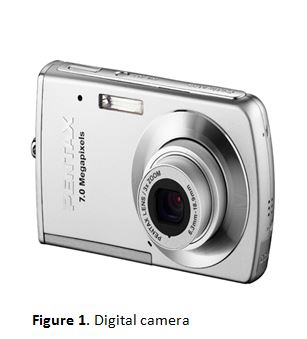
The element of loads repeated regular instruction material. One Cannon 7.1 Mega pixels advanced camera was utilized to take actually photos of subject’s sagittal stance. Stand remain with a soul meter level was utilized for mounting the camera. Proportions of cervical and shoulder act were determined structure advanced photos utilizing the digitizing programming (Image Tool UTHCSA variant 3.0 University of Texas Health Service Center, San Antonio, TX).
Design of the study: This was an observational study to compare 2 test load conditions in static and dynamic stage with 15% body weight and were tried noticing the progressions in step design in the two conditions. Subjects were their own control where benchmark or dumped act is contrasted and act under two distinctive exploratory stacking conditions.
Techniques: Clothing was reworked so that shoulders were uncovered. With the subjects in standing stance cement markers were put on four physical tourist spots.
Spinous process of the seventh cervical vertebrae, Midpoint between greater tuberosity of humerus bone, back part of acromion of the scapula, Outer canthus of right eye and right tragus, were noted and were approached to stand serenely with their arms close by in ordinary standing stance.
They were approached to put their weight equitably on the two feet. The horizontal malleoli were put between equal lines, which are opposite to the front facing planes. The subjects gazed straight ahead. Camera was put two meters from the subject’s right side. Photo was taken inside 5 second of taking on the position.
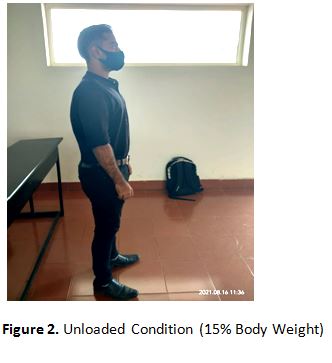
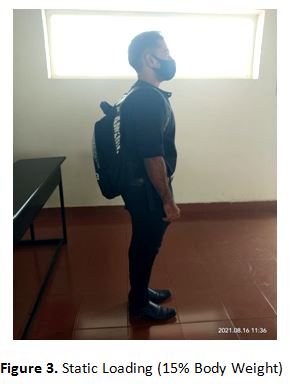
The photos of the subjects were taken without school bag; it was 0% body weight, 15% body weight applied for Static loading and for dynamic activities. Information was examined by advanced programming Image Tool UTHCS version 3.0, University of Texas Service Center, San Antonio.
Data Analysis: Examination of postural points after powerful exercises is finished with static loading with 15% body weight and with 0% body weight. The meaning of changes in information was assessed utilizing rehashed measure examination of difference on each point with which arranged differentiation were made of the dumped condition with every one of two other stacked condition. The study was considered as significant with if p<0.05. The Gait was observed at carrying school bag more than two shoulders comparable to 15% body weight with static and dynamic exercises.
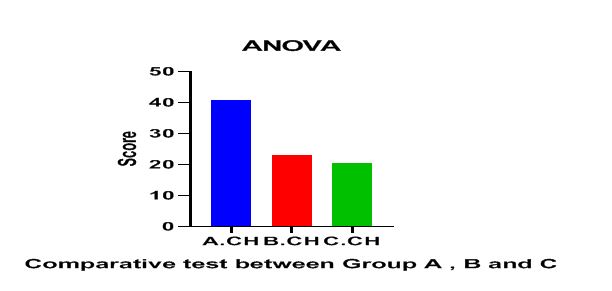
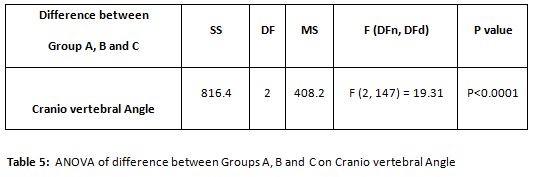
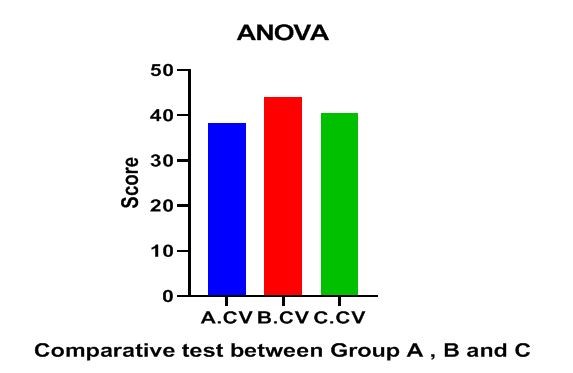
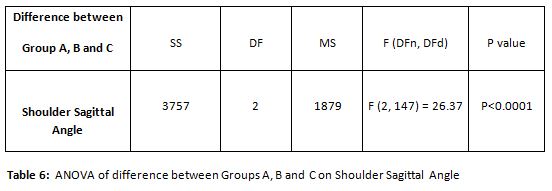
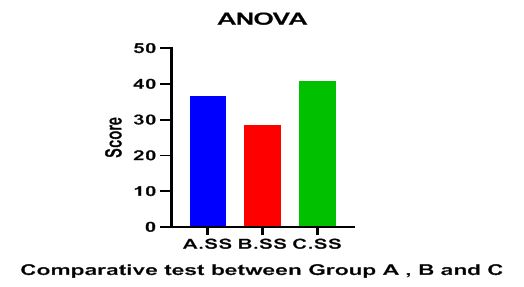
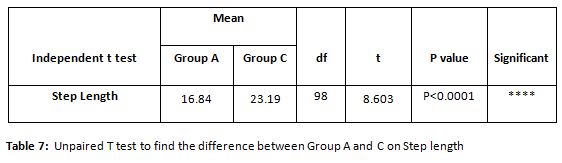
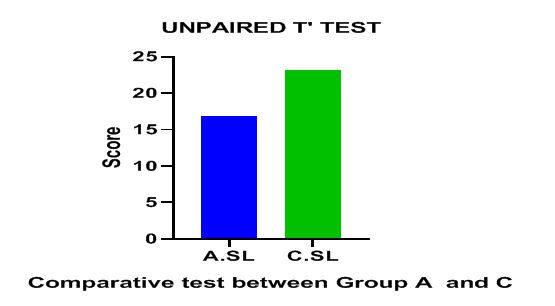
Graph 1: The Cranio-horizontal angle increases in the Group A i.e. Without static loading and it reduces gradually once it is loaded and further more it reduces in the dynamic loading subjects when they start walking.Graph 2: Cranio vertebral angle increases in static loading comparatively more than unloaded group and dynamic loading.Graph 3: Shoulder sagittal angle increases in static loading comparatively more than unloaded group and dynamic loadingGraph 4: The step length (SL) changes in group C than group A, which is unloaded static group.
RESULT
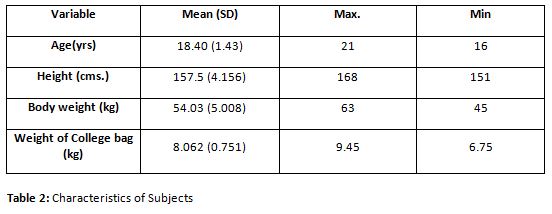
The mean stature and mean load of the subjects enlisted were 157.5cms, 54.34 kg separately. The mean load of the bag which kid conveyed to school was observed as 8.151 kg which was 15% of their body weight. Benchmark esteems were got ten by estimating Craniovertebral Angle, Craniohorizontal Angle, Sagittal Shoulder stance and step length on the dumped condition with 0% of their body weight.
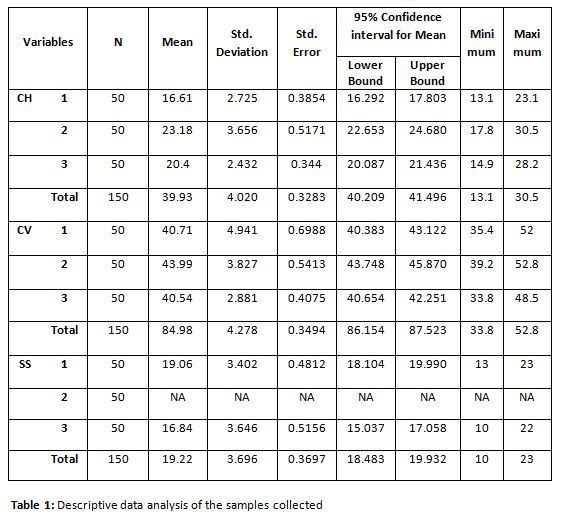
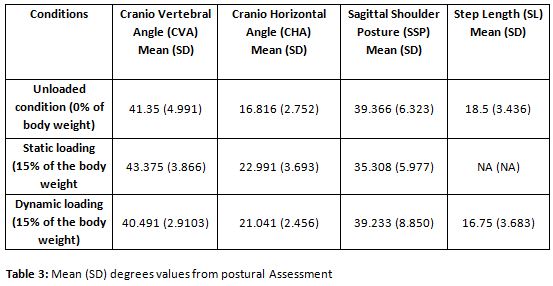
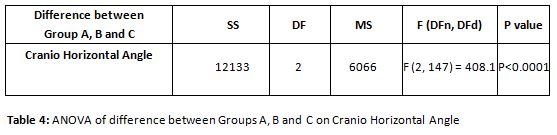
The mean upsides of craniovertebral point diminished in a trial loaded condition in examination with dumped condition. The mean worth of CVA in the dumped state was 40.718 = 4.991, though the mean upsides of CVA while static stacking with 15% of body weight and after unique exercises with 15% of body weight were 43.994= 3.866 and 40.542=2.910 individ-ually. Huge contrasts were found by rehashed proportion of difference (ANOVA) in the CVA between dumped state, static stacking and after powerful exercises with p esteem 0.018 which is more than 0.0001.
Pair insightful correlation was between loaded state and static loading with 15% body weight shows that there is contrast with p esteem 0.0001 and furthermore critical distinction between dumped state and after powerful exercises act with p esteem 0.034. There was no critical contrast was found between static stacking states and after unique stacking exercises pose with 15% body weight load for CVA as p esteem is more noteworthy than 0.0001.
The mean upsides of Craniohorizontal point expanded in every one of the two trial load conditions in examination with dumped state. The mean worth of CHA in the dumped state was 16.61 = 2.75, though the mean upsides of CHA while static stacking and after unique exercises with 15% body weight were 23.186 = 3.693 and 20.4 = 2.456 individually. No huge contrasts was found in CHA between the dumped condition and conveying school sacks weighting 15% body weight while static stacking and after powerful exercises act.
The mean worth of sagittal shoulder act increments in every one of the two trial loads conditions in correlation with dumped state. The mean worth of sagittal shoulder act in the dumped state was 38.324 = 6.323, though the mean upsides of sagittal shoulder pose while static stacking and after unique exercises with 15% body weight were 34.68 = 5.977 and 40.75 = 8.850 separately.
The mean worth of step length diminishes in all trial loads conditions in examination with dumped state. The mean worth of step length in the dumped state was 19.06 = 3.436, though the mean upsides of step length while static stacking isn’t pertinent and after powerful exercises with 15% body weight was 16.84 = 3.683.
DISCUSSION
Shruti. R. Iyer in their examination tracked down that Indian youngsters convey school bags gauging 18.5% of their body weight. Pascoe et al7 in their examination done in America tracked down that mean load of school bag conveyed by school kids in the age gathering of 11-13 years was 17% of their body weight11.
Likewise Negrini et al in their examination done in Italy tracked down that normal burden conveyed by school kids matured 11.29=0.33 was 9.3 kg, which was determined to 22% of their body weight. Conversely, the heaviness of school pack communicated in level of body weight in this examination was observed to be heavier than detailed by Forjuoh SN et al in their investigation done in Texas (6.2% among kindergarteners and 12% among fifth graders)12.
The consequence of this examination uncovered that the greater part of the Indian kids in the age gathering of 17-20 years conveyed school pack weighing between 15% – 18% of their body weight. The mean worth of weight of the school pack conveyed by youngsters was observed to be 8.151 kg which is observed to be 15% of their body weight. The heaviness of the school pack communicated in level of body weight was observed to be reliable with studies done by Shruti. R. Iyer5 and Pascoe et al13.
Likewise J.K Whitefield et al in their examination done in New Zealand College detailed 13.2% of body weight for 3rd grade and 10.2% for 6th grade. Craniovertebral point gives an assessment of head on upper back. A little point shows more forward head position. It has been tracked down that more modest the CVA point is related with migraines in females51. Additionally change in arrangement of neck can deliver strain of cervical joints and delicate tissues just as imbalanced muscle execution. Head act immediately affects the situation of mandible and can prompt temporo-mandibular joint brokenness, and gulping difficulties14.
Ethical clearance: There was no risk of conducting this study.Ethical clearance was obtained from the ethical committee of Institute of Applied Medicine and Research, under the Chaudhary Charan Singh University, Meerut with approval letter dated 15thApril 2011.
Conflicts of Interest: There is no conflict of interest to conduct this study.
Fund for the study: This is self-funded study.
CONCLUSION
The consequence of the investigation upholds the exploratory theory that powerful stacking the understudy with 15% of body weight prompts huge change in cervical and shoulder pose when contrasted with static stacking with 15% of body weight and dumped condition, Significant change in cervical and shoulder showed by decline in craniovertebral point and expansion in sagittal shoulder act was found in unique stacking and static stacking when contrasted with dumped act.
We have likewise tracked down that 5 minutes of dynamic exercises with 15% of body weight produce huge change in craniovertebral and sagittal shoulder pose when contrasted with dumped act. Consequently, suggesting that school sack gauging 15% of body weight would be excessively weighty for the Indian school youngsters matured 17-20 to have the option to keep up with their ordinary cervical and shoulder pose arrangement.
REFERENCES
1. Knapik J, Harman E, Reynolds K. Load carriage using packs: a review of physiological, biomechanical and medical aspects. Applied ergonomics. 1996 Jun 1;27(3); 207-16.
2. Voll HJ, Klimt F. Strain in children caused by carrying school bags (author’s transl). Das Offentliche Gesundheitswesen. 1977 Jul 1;39(7); 369-78.
3. Oliveira R, Cabri JM. Low back pain in young people: cross-sectional study in Lisbon. In AIESEP 2005 World Congress-” Active lifestyles: the impact of education and sport”, 2006; pp.233-237.
4. Taimela S, Kujala UM, Salminen J J, Viljanen T. The prevalence of low back pain among children and adolescents: a nationwide, cohort-based questionnaire survey in Finland. Spine. 1997 May 15;22(10);1132-6.
5. Iyer SR. An ergonomic study of chronic musculoskeletal pain in collegechildren. The Indian Journal of Pediatrics. 2001 Oct;68(10); 937-41.
6. Negrini S, Carabalona R. Backpacks on! School children’s perceptions of load, associations with back pain and factors determining the load. Spine. 2002 Jan 15;27(2); 187-95.
7. Pascoe DD, Pascoe DE, Wang YT, Shim DM, Kim CK. Influence of carrying book bags on gait cycle and posture of youths. Ergonomics. 1997 Jun 1;40(6); 631-40.
8. Whittfield JK, Legg SJ, Hedderley DI. The weight and use of school bags in New Zealand secondary colleges. Ergonomics. 2001 Jul 1; 44(9); 819-24.
9.Chansirinukor W, Wilson D, Grimmer K, Dansie B. Effects of backpacks on students: measurement of cervical and shoulder posture. Australian Journal of physio-therapy. 2001 Jan 1;47(2); 110-6.
10. S.I. Weinsein, Garry M. Banks and Ensor E. Transfeldt. 1994. The Pediarics Spine: Principles and Practice. Raven Press. Ltd. New York.
11. Raine S, Twomey LT. Head and shoulder posture variations in 160 asymptomatic women and men. Archives of physical medicine and rehabilitation. 1997 Nov 1; 78(11);1215-23.
12. Watson DH, Trott PH. Cervical headache: an investigation of natural head posture and upper cervical flexor muscle performance. Cephalalgia. 1993 Aug; 13(4); 272-84.
13. Darling DW, Kraus S, Glasheen-Wray MB. Relationship of head posture and the rest position of the mandible. The Journal of prosthetic dentistry.1984Jul 1; 52(1); 111-5.
14. Shi Wei Mo 1, Dong-Qing Xu, Jing Xian Li, Meng Liu Effectof backpack load on the head cervical spine and shoulder postures in children during gait termination, 2013; 56(12); 1908-16.
Citation: Prachi Jain, Syeda Khanam P, Manjunatha H(2021).Efficacy of heavy bags with 15% of body weight in teenagers on cervical and shoulder posture allignment, ijmaes; 7 (3); 1049-1060.
Ishwarya vardhini. C1, Nelshiya Anni Ruby Aishwariya. H. P2
Author:
1Assistant professor,
Faculty of physiotherapy, Dr.MGR Educational and research institute University,
Velappanchavadi, Chennai, Tamilnadu, India
Corresponding Author:
2BPT Internee, Faculty of physiotherapy, Dr. MGR. Educational and research institute University, Velappanchavadi, Chennai, Tamilnadu, India, Email id: nelshiyaannirubyaishwariya@gmail.com
ABSTRACT
Background of the study: Osteoarthritis (OA) knee is a commonest degenerative disorder, accompanied by pain, muscle weakness, and decreased ability to carry out activities of daily living. Strengthening of VMO is the exercise choice commonly used. Studies suggest that strengthening of hip abductor; can reduce the KOA-associated symptoms. Objective of this study was to find whether VMO in combination with hip abductor strengthening can improve the function and reduce pain in KOA. Materials and methods: 30 subjects with grade 1- KOA of both the genders belonging to age group from 45-60 years were chosen and subjected to VMO & hip abductor strengthening for a period of 12 weeks. Pre and Post exercise outcome scores were measured using VAS and WOMAC scale. Results: This study showed a substantial improvement of pain, stiffness and physical function in subjects who underwent VMO and hip abductor strengthening program. P-value on VAS and WOMAC scale was less than 0.0001 which was found significant. Conclusion: Hip abductor along with VMO strengthening is a better health interventionin subjects with Grade 1 Osteoarthritis knee .Thus hip muscle strengthening can serve a better intervention in slowing the progression of disease and reduction of symptoms in grade -1 KOA.
Received on 28th January 2021, Revised on 18th February 2021, Accepted on 27th February 2021; DOI:10.36678/IJMAES.2021.V07I01.007
INTRODUCTION
Osteoarthritis of knee is the second most common chronic degenerative joint disease occurring among elderly. It leads to pain, muscle weakness especially quadriceps and disability which are the earliest clinical signs of OA knee1. OA knee is classified into 2 divisions. Primary OA knee is without any known reason (idiopathic) and ccurs in the elderly due to ageing process. Secondary OA knee is due to increased body mass index, family history, joint hyper mobility, repetitive strain to the knee, trauma, immobilization, neuropathic disorders 2.
The symptoms that halt the function include morning stiffness, reduced joint movement, crepitus and muscle atrophy 3. Diagnosis of knee osteoarthritis can be confirmed based on clinical and radiographical Findings .The American College of Rheumatology criteria , EULAR diagnostic criteria ,can be further used to diagnose KOA which includes presence of constant knee pain, morning stiffness reduce function, joint crepitus, restricted mobility and hypertrophy of bone. The available treatment options are non-pharmacological, pharmacological or surgery. Physical therapy is a least expensive intervention for OA knee which is recommended by the American college of Rheumatology and the European League against Rheumatism4.
Exercise is recommended as a first-line of conservative management option for osteoarthritis (OA). They can decrease pain status, improve joint mobility & functional ability. Quadriceps weakness is common among OA knee which in turn causes painful lower limb thereby making it a risk factor for development of OA. The function of quadriceps group of muscles, particularly VMO muscle has an important role in the stability of the patella-femoral joint 5. Reduction in activity of hip abductor muscle has been suggested as a contributing factor for the disease progression in knee osteoarthritis (OA).
Hip abductor strengthening can serve as an intervention to reduce knee joint loading in subjects with OA knee 6. Increased hip abduction moment magnitude is directly proportionate in reducing the progression of medial compartment OA knee7. Hip abductor weakness results in poor functional performance in subjects with OA. They are stabilizer of trunk & hip during walking, maintain the position of lower extremity and transmit the forces from the lower extremity to the pelvis8. Therefore inclusion of hip abductor exercises along with VMO can prove beneficial when designing a rehabilitation program for persons with knee OA.
METHODOLOGY
This was an
Experimental study and the participants those attending the outpatient
physiotherapy department in ACS medical college and hospital, Dr. MGR
Educational and Research institute, Chennai India. The study duration was around 12 weeks. This
study included 30 subjects with grade I Osteoarthritis knee (as per kellgrenn
and Lawrence radio graphical grade(9)
of both the genders in age-group between 45 and 60 years. The participants were
selected by simple random sampling
method. Subjects apart from grade 1 OA knee, non-cooperative
subjects, those with balance, auditory, visual disorder, lower limb injury were
excluded from the study.
The objective of this study was to find the effect of hip
abductor and vastus medialis oblique muscle (VMO)
strengthening exercises on Pain
and Physical function were measured using VAS (Visual analog scale) and WOMAC
(The Western Ontario and McMaster Universities Osteoarthritis Index).
Procedure: The
subject’s pain & functional ability were documented using Visual Analogue
Scale (VAS) in which the patient denotes pain level on the line between two
endpoints. The distance between point of no pain and the marking measures the subject’s pain score(10).
Then WOMAC (The Western Ontario and
McMaster Universities Osteoarthritis Index)
which
includes five questions about pain, two about stiffness and seventeen on degree of disability of activities performed every day11.
Following this, the subjects underwent hip abductor and vastus medialis oblique muscle (VMO)
strengthening exercises namely clam shell, lateral leg slides, abduction lifts,
terminal knee extension, single leg lifts, leg extension respectively for a
total of 3 sets consisting 12 repetitions each .The exercises were given for 4
days in a week for total of 12 weeks. Subjects were advised to continue
the medications as prescribed by their physician. After 12 weeks post exercise,
they were subjected to Post Vas, WOMAC and findings were documented.
RESULT
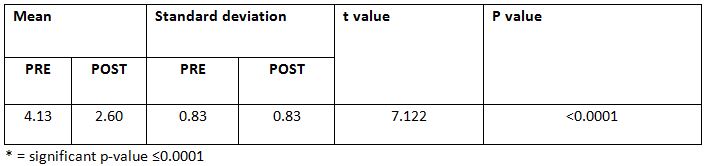
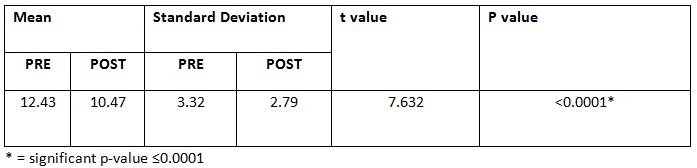
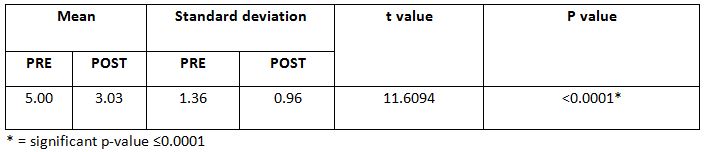
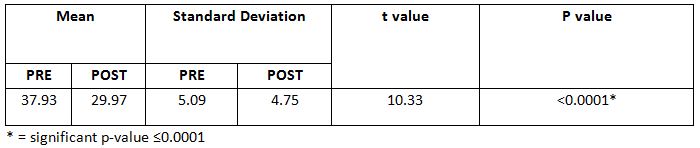
This study showed a substantial improvement of pain, stiffness and physical function in subjects who underwent VMO and hip abductor strengthening program. P-value on VAS and WOMAC scale was less than 0.0001 which was found significant.
Table 1: Mean pain score on VAS- (Pre and Post test) Table 2: Mean (pain sub score) on WOMAC – (Pre and Post test) Table 3: Mean (Stiffness sub score) on WOMAC – (Pre and Post test) Table 4: Mean (physical function sub score) on WOMAC – (Pre and Post test)
DISCUSSION
This study was aimed to find the impact of hip abductor
& VMO muscle strengthening in subjects with grade 1 osteoarthritis
knee. Pain and Physical function was
measured using VAS and WOMAC. The
outcome of the study was markedly improved, on the WOMAC score after twelve
weeks intervention program for the hip abductor and VMO in 30 participants.
In addition to the reduced dynamic loading at the knee,
each subject experienced a marked decrease in knee pain during the study. VMO
Strengthening served to reduce pain in subjects. The
hip abductor plays an important role as pelvic and trunk stabilizer in
locomotion 10.
The subjects
gave a feedback on reduced gait deviations and improved stability during
walking which is well evident from findings of Yujiexie, chi zhanget.al,
(2018) who reported that the
position of body center is depends on the strength of hip abductor weakness
which
can alter in
the contra lateral movement of the pelvis or lateral leaning of the trunk over
the weight bearing lower extremity 11.
Knee adduction
moment, associated with hip adduction has proved effect on reduce the disease
severity on OA Knee. Hip abductor appears to have certain impact on knee
joint load, which may also play a potential role in the symptoms, progression
of disease & studies have pointed that hip abductor strengthening
exercises may be helpful to improve the
physical function & alleviate pain in OA knee12.
A study on lower limb muscle strengthening also have reported effect on reduce pain and potential ability at knee joint which is inexpensive treatment for OA. The findings are evident for the effects of hip abductor and VMO strengthening on relieving pain and improving physical function in knee OA subjects. Hip abductor strengthening routine can be included in grade-1 stage of knee OA as it can reduce the progression of the disease and improve quality of life.
Ethical
Clearance: Ethical
clearance has obtained from Faculty of Physiotherapy, DR.MGR. Educational and
Research Institute, Chennai to conduct this study with reference number: A–026(A)/ PHSIO/IRB/2018-19dated 07/01/2019.
Conflict of interest: The author reported no conflict of interest to
do this study
Funding: The researchers had self financial support to conduct this research.
Limitation: A
small sample size, less study duration. Effect of medications was not taken
into consideration.
Recommendations of the study:
More outcome measure can be used. Several types of exercises can be compared
for future studies. This study can be compared with other grades of KOA.
CONCLUSION
We can conclude that hip abductor and VMO strengthening is
effective in reducing pain and improving physical function in subjects with
grade- 1 KOA. Hence it can be included during the initial phase of
rehabilitation of KOA.
REFERENCE
1. Hinman RS, Hunt MA, Creaby MW, Wrigley TV,
Mc Manus FJ BK. (2010). Hip muscle weakness in individuals with medial knee
osteoarthritis. Arthritis care Res. 62(8): 1190.
2.
Michael JW, Schlüter-Brust KU EP. (2010). The epidemiology, etiology, diagnosis, and
treatment of osteoarthritis of the knee. Dtsch Arzteblatt Int. 107(9): 152.
3.
Gorial F I, Sabah S A, Kadhim M B J N. (2018). Functional Status in Knee
Osteoarthritis and its Relation to Demographic and Clinical Features. Mediterr
J Rheumatol. ; 29 (4): 207.
4.
Zhang W, Doherty M, Peat G, Bierma-Zeinstra MA, Arden NK, Bresnihan B, (1962). Herrero-Beaumont
G, Kirschner S, Leeb BF, Lohmander LS MB. Eular evidence-based recommendations
for the diagnosis of knee osteoarthritis. Ann Rheum Dis. 69(3): 483.
5. Sled E A, Khoja L, Deluzio K J, Olney S J C E.
(2010). Effect of a home program of hip abductor exercises on knee joint
loading, strength, function, and pain in people with knee osteoarthritis: a
clinical trial. Phys Ther. 1 ; 90(6) :895-904.
7.
Rutherford DJ H-KC. (2009). Explaining
the hip adduction moment variability during gait: Implications for hip abductor
strengthening. Clin Biomech. 1; 24(3): 267-73.
8. Harikesavan
K, Chakravarty R D, Maiya A G, Hegde S P S S. (2017). Hip abductor
strengthening improves physical function following total knee replacement:
one-year follow-up of a randomized pilot study. Open Rheumatol Journal. 11:30.
9.
Kellgren J H L J. (1957). Radiological assessment of osteo-arthrosis. Ann Rheum
Dis.; 16(4): 494.
10.
Yang KA, Raijmakers N J, Verbout AJ, Dhert WJ SD. (2007). Validation of the
short-form WOMAC function scale for the evaluation of osteoarthritis of the
knee. J bone Jt surgery Br Vol. 89(1): 50-6.
11.
Xie Y, Zhang C, Jiang W, Huang J, Xu L, Pang G, Tang H, Chen R, Yu J, Guo S X F. (2018). Quadriceps combined with hip abductor
strengthening versus quadriceps strengthening in treating knee osteoarthritis:
a study protocol for a randomized controlled trial. BMC Musculoskelet Disord.
19(1): 1-7.
12.
Lim BW, Hinman RS, Wrigley TV, Sharma L BK. (2008). Does knee malalignment mediate
the effects of quadriceps strengthening on knee adduction moment, pain, and
function in medial knee osteoarthritis? A randomized controlled trial. Off J Am
Coll Rheumatol Care Res. 59(7): 943.
Citation: Ishwarya vardhini. C, Nelshiya Anni Ruby Aishwariya. H. P(2021). Efficacy of Vastus Medialis Oblique Muscle and Hip Abductor Strengthening on Pain and Functional Ability in Patients with Knee Osteoarthritis, ijmaes; 7 (1); 969-974.