Normative values of Moberg pickup test in young adults

Dhanalakshmi.M.R1, Prashanth V Mangalvedhe2, Jibi Paul3
Authors:
1B.P.T. Graduate,  JSS College of Physiotherapy, JSS Hospital Campus, Mysuru, Karnataka,India.   
3Professor,Faculty of Physiotherapy, Dr.MGR. Deemed to be University, Chennai, Tamilnadu, India.
Corresponding Author:
2Lecturer, JSS College of Physiotherapy, JSS Hospital Campus, Mysuru, Karnataka,India.
Mail id:  dhanuphysio7@gmail.com  

ABSTRACT

Introduction: Moberg pickup test (MPUT) is a standardized test for hand dexterity developed by Erik Moberg, in 1958. This test also assesses cognition, stereognosis, and comprehension. Aim of the study was to find the normative values for the Moberg pickup test and to find the  impact of gender and handedness on hand dexterity among carpel tunnel syndrome patients. Method: This was aCross-sectional study, conducted at JSS College of physiotherapy, Mysuru, Karnataka for a duration of 2 months. This study was done on a population of 171 typical young adults comprising of 37 males and 134 females with an age group between 17 and 25 years. Test objects were placed on the table on the same side of right and left hands being tested with eyes open and closed, whereas the container was placed on the opposite side of the hand being tested. Three trials were done and the best out of the three was taken for analysis to obtain the normative values for Mobergpickup test. Result: The results show that the hand dexterity of the subjects was significantly good. Eyes open and close on dominant hand and Non dominant hand with mean values of 7.735, 12.806 and 9.206, 14.327 respectively. Conclusion: Females performed the test faster than males, and task performance with the dominant hand was faster than the non-dominant hand.

Keywords: Hand dexterity, Moberg Pick-Up Test, Carpel tunnel syndrome, Normative values

Received on 26th October 2019, Revised on 22th November 2019,Accepted on 27th November 2019

DOI: 10.36678/ijmaes.2019.v05i04.002

INTRODUCTION

Dexterity is usually defined as a function of control, the coordination of muscle movements usually in synchronization with the eyes, and it can also be defined as the quality of motor skills of hands and fingers.  Dexterity in each person is qualitatively different and unique1,2.

Moberg pickup test (MPUT) is a standardized test for hand dexterity developed by Erik Moberg, in 1958. This test also assesses cognition, stereognosis, and comprehension. Moberg defines functional sensation as tactile gnosis, specifically sensiti­vity present at the fingertips, which allows a significant awareness of the external object3,4.

Need For the Study

Normative value for Moberg Pick-Up Test is important to check hand dexterity. Present available are from western population. Characteristics of Indian population may differ from the western population.

Hence, the need of this study was to establish the normative values of Moberg pickup test in young adults of age 17- 25years in Indian population.

Objective:  Primary objective was to find the normative values for the Moberg pickup test. Secondary objective was to find the difference on normative values of Moberg pickup test between male and female on their hand dexterity.

METHODOLOGY

This was a Cross-sectional study conducted at   JSS College of physiotherapy, Mysuru, Karnataka.This study was done on a population of 171 typical young adults comprising of 37 males and 134 females with an age group between 17 and 25 years. Duration of the study was 2 months.

Inclusion Criteria:  Both genders willing to participate were selected with age group 17 to 25 yrs.

Exclusion criteria: Participants with neurological illness, Any congenital deformity of hand, Participants with recent hand injuries and fractures, Participants with visual impairment, Behavioural abnormality that interferes with the test were excluded from the study.

Materials: Small container, stop watch, screw, safety pin, cap nut, washer, bolt, key, 2 coins, long hexagon nut, square nut, small hexagon nut, nut and bolts.

Procedure: Permission from JSS College of Physiotherapy was obtained.  Informed consent from the participants was taken before including the participants in the study. Based on inclusion and exclusion criteria the participants were recruited for the study. Hand dominance is ascertained by asking each subject which hand they used to perform skilful activities like writing, eating etc.  

Hand dexterity was measured bilaterally. Twelve objects were spread randomly on a table, next to the container. Objects includes – Screw, Safety pin, Cap nut, washer, bolt, key, 2coins, long hexagon nut, small hexagon nut, nut and bolt, square nut. Test objects were placed on a table and a container was kept on the opposite side to the hand being tested. Participants were asked to drop the items as fast as possible in a box placed nearby. Stopwatch was used to record the time for the Performance.

This test was performed in 2 phases: both dominant and non dominant hand has been tested with open and closed Eyes. The test was repeated three times to obtain an average. First tested the writing ability was tested with the dominant hand followed by non dominant hand was tested. In the second phase: first, the participants were asked to hold the container with the opposite hand and they were made to close their eyes.  Second, when only 2 or 3 objects where remaining on the table the participants were informed the number of objects remaining to perform the task.

RESULT

The outcome value obtained from the data collection was tabulated for the statistical analysis of the data; mean, median and standard deviation of the collected data done.
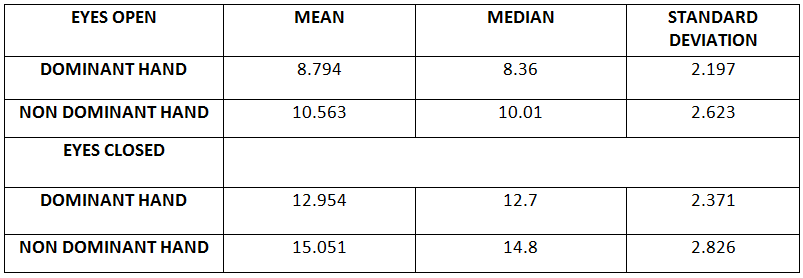
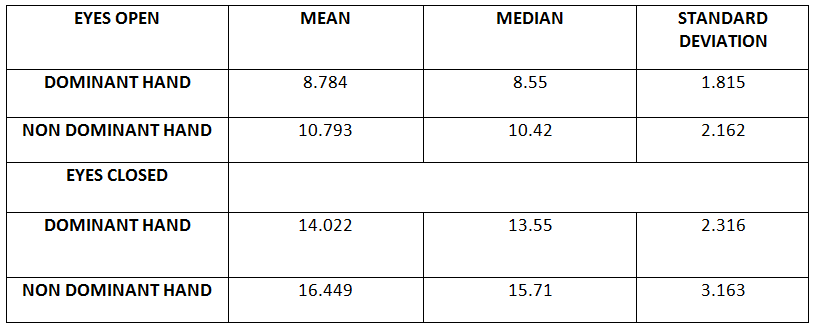
Table 1: Mean and median data of females on eye open and closed for dominant and non dominant hand
Table 2: Mean and median data of males on eye open and closed for dominant and non dominant hand

DISCUSSION

The normative values of Moberg pick up test in the Indian population are not available. Hence, this study was done to find the normative values of Moberg pick up test in young adults of JSS College of Physiotherapy, Mysuru.

Previous studies have been conducted on subjects with carpal tunnel syndrome, comparison between young adults and middle aged persons, and older population, and a survey of comparison between button test and Moberg pick up test 5,6.

This study was done on a population of 171 typical young adults comprising of 37 males and 134 females with an age group between 17 and 25 years. Three trials were done and the best out of the three was taken for analysis to obtain the normative values for Moberg pickup test. The present study confirmed that the performance of this test shows major difference between the male and the female population.

Many studies have done to find the score grading for pinch strength, grip strength, fine motor skill and depression among population with carpal tunnel syndrome 7,8,9.

There is clear evidence from earlier studies that females performed faster than males and this study has also showed similar results. It was observed that the dominant hand was faster in executing this test than the non-dominant hand with the eyes open.

CONCLUSION

Moberg pick-up test has been a reliable tool to test hand function. The time duration and the dominance of hand show the comparison of reaction in individuals. The results show that the hand dexterity of the subjects was significantly good. Task performed with dominant hand was faster than the non-dominant hand.  Females performed the test faster than males.

Future Recommendations: The future studies should include individuals with equal number of males and females for better efficacy of results. Standardized setting can be used to perform the Moberg test.

REFERNCES

  1. Amirjani N, Ashworth N, Olson J, Morhart M, and Chan K. (2011). “Discriminative validity and test–retest reliability of the Dellon-modified Moberg pick-up test in carpal tunnel syndrome patients”, Journal of the Peripheral Nervous System. 16;51–58.
  2. Amirjani N, Ashworth N, Gordon T, Edwards C and Chan K (2007). “Normative Values and the effects of age, gender, and handedness on the Moberg Pick- Up Test ”, Muscle Nerve35;788-792 .
  3. Marcolino AM, Barbosa RI, Souza DNA, Rebelo R B, Delgado PM, Mazzer N, et al., (2012). “Correlation between Moberg Pick-Up test and sensation threshold test after median nerve reconstruction”,ActaFisiatrvol 19(4);216-21.
  4. Stamm T, AlexanderP, Klaus M, and Josef S. (2003). “Moberg Picking-Up Test in Patients With Inflammatory Joint Diseases: A Survey of Suitability in Comparison With Button Test andMeasures of Disease Activity”, Arthritis & Rheumatism (Arthritis Care & Research), Vol. 49(5); 626-632.
  5. Amadio P C, Silverstein M D, Ilstrup D M, Schleck C D, Jensen L M.  (1996). Outcome assessment for carpal tunnel surgery: the relative responsiveness of generic, arthritis-specific, disease-specific, and physical examination measures. J Hand Surg Am., 21: 338– 346. 
  6. Atroshi I, Lyrén PE, Gummesson C. (2009). The 6-item CTS symptoms scale: a brief outcomes measure for carpal tunnel syndrome. Qual Life Res.  18: 347-358.
  7. Atalay NS, Sarsan A, Akkaya N, Yildiz N, Topuz O. (1984). The impact of disease severity in carpal tunnel syndrome on grip strength, pinch strength, fine motor skill and depression,120(4): 517-9
  • Baker NA, Moehling KK, Desai AR, Gustafson N P.(2013).Effect of carpal tunnel syndrome on grip and pinch strength compared with sex- and age-matched normative data. Arthritis Care Res (Hoboken). ; 65: 2041-2045.
  • Bland JD. ( 2000).  A neurophysiological grading scale for carpal tunnel syndrome. Muscle Nerve., 23: 1280-1283.
Citation:  

Dhanalakshmi.M.R, Prashanth V Mangalvedhe, Jibi Paul (2019). Normative values of moberg pickup test in young adults, International Journal of Medical and Exercise Science; 5 (4): 634-638.
A study to find prevalence of upper limb problems in Musicians

P. Sathya1, Hannah D’souza2
Author:
2B.P.T. Intern, D.Y. Patil deemed to be University, School of Physiotherapy, Nerul, Navi Mumbai, India 
Corresponding Author: 1Associate Professor, D.Y. Patil deemed to be University, School of Physiotherapy,Navi Mumbai, India. Mail id: drsathyagp@gmail.com

ABSTRACT

Introduction: Musicians just like any other occupation are prone to injuries. Every type of work requires certain bodily movements and positions to be used in a repetitive manner. These injuries/disorders then in turn affect the ability of the musician to play his instrument most efficiently. The purpose of this study was to find out prevalence of Upper Limb Problems in Instrumental Subjects using the Disability of Arm, Shoulder and Hand (DASH) questionnaire. Methodology: A cross sectional survey was conducted on 100 Subjects from Mumbai, aged 15 to 30 years who were right hand dominant and had a minimum of 3 years of experience playing a musical instrument. Demographic data was collected and the subjects were asked to fill the Disability of Arm, Shoulder and Hand (DASH) questionnaire for the Dominant as well as the Non Dominant Upper Limb. The Data collected was further analyzed. Result: The subjects playing Keyboards were mostly affected on dominant side by DASH score with mean value 11.086. Symptoms on the dominant and non dominant sides were 40.23% and 45.95% respectively with functional disability on the dominant side 31.42%.Percussionist were most affected in the psychological aspect with 33.33%, where string players were more affected in Music Module Domain with mean value 14.305. Conclusion: The study concluded that the subjects playing Keyboards were mostly affected in most domains of DASH Scale. Percussionist were the most affected in Psychological Domain and the subjects playing Strings were most affected in the Music Module Domain in DASH scale. Methodology: A cross sectional survey was conducted on 100 Subjects from Mumbai, aged 15 to 30 years who were right hand dominant and had a minimum of 3 years of experience playing a musical instrument. Demographic data was collected and the subjects were asked to fill the Disability of Arm, Shoulder and Hand (DASH) questionnaire for the Dominant as well as the Non Dominant Upper Limb. The Data collected was further analyzed. Result: The subjects playing Keyboards were mostly affected on dominant side by DASH score with mean value 11.086. Symptoms on the dominant and non dominant sides were 40.23% and 45.95% respectively with functional disability on the dominant side 31.42%.Percussionist were most affected in the psychological aspect with 33.33%, where string players were more affected in Music Module Domain with mean value 14.305. Conclusion: The study concluded that the subjects playing Keyboards were mostly affected in most domains of DASH Scale. Percussionist were the most affected in Psychological Domain and the subjects playing Strings were most affected in the Music Module Domain in DASH scale.

Keywords: Musicians, Upper Limb Problems, Disability of Arm, Shoulder and Hand (DASH) scale

Received on 23rd October 2019, Revised on 20th November 2019, Accepted on 26th November 2019

DOI: 10.36678/ijmaes.2019.v05i04.001

INTRODUCTION

Everybody loves music. Listening to music induces pleasure but making music is a distinct experience in itself. The number of musicians we have now is much more than we ever had before. Being a Musician could be a passion, a hobby or a career. However, musicians just like any other occupation are prone to injuries. Every type of work requires certain bodily movements and positions to be used repetitively. Musculoskeletal occupational disorders result from an interaction between the individual worker, his tools and his environment. In the case of the instrumental musician, his tools are the instruments1.

Musculoskeletal problems in musician occurs due to the repetition of certain movements, incorrect posture, prolonged practice hours, lifting of heavy instruments, holding the instrument in place for a long time, psychological pressure, etc. Because of these symptoms the musician may not be able to play their instrument effectively. The musician may also have difficulty performing ADLs due to the symptoms.  Several researches have been done in the past on different body sites where in a musician could be affected. Each category of instrument uses the upper limb the most, leading to an increase risk of injury. Examples of these could be tendinitis, weakness, stiffness, etc.

According to Zaza et al., the definition of Playing-Related Musculoskeletal Disorders (PMRDS) is Pain and other symptoms that are chronic, beyond your control, and that interfere with the ability to play your instrument at the usual level2.According to Lederman et al., With carefully designed treatment, the majority of instrumental musicians can return to full and pain free playing.3 Correct diagnosis of the problem and physiotherapy techniques to prevent or reduce these symptoms can be given in order for the musician to play his/her instrument in the most optimum way without any hindrance. Hence, the purpose of this study was to find out prevalence of upper-limb problems in musicians.

METHODOLOGY

The Target Population was Instrumental Musicians.A cross sectional survey was conducted on musicians from Mumbai from all categories namely Strings, Keyboards, Brass, Percussions and Woodwind.  100 subjects aged 15 to 30 years who were right hand dominant and had a minimum 3 years experience of playing their instruments were included in the study. The nature and purpose of study was explained and prior consent was obtained from the participants. The demographic data was collected and the subjects were asked to fill the Disability of Arm, Shoulder and Hand (DASH) questionnaire  for the Dominant as well as the Non Dominant Upper Limb. The Data collected was further taken for statistical analysis 4.

RESULT

According to the Data Obtained, most subjects in the sample were Males.

The Instruments played by the subjects in this research were Trumpet (Brass Category), Keyboard, Piano and Harmonium (Keyboards category), Cajon, Djembe, Drums and Tabla (Percussion Category), Bass Guitar, Guitar, Sitar and Violin (Strings category), Flute and Saxophone (Woodwind category)

There were 41 String players, followed by 21 Keyboard players, 21 Percussionists 15 Woodwind players and 2 Brass players. The subjects had between 3-16 years of training. Sitting position was preferred as compared to Standing. The formula provided in the Disability of Arm, Shoulder and Hand (DASH) questionnaire was used to calculate the scores.

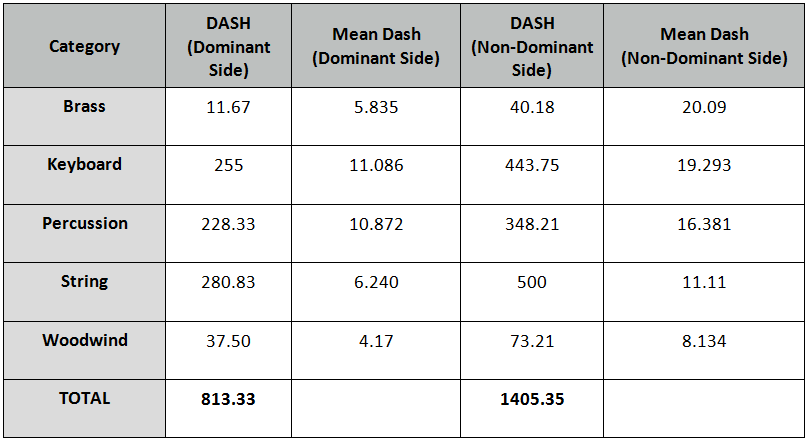
Table 1. DASH Total Scores

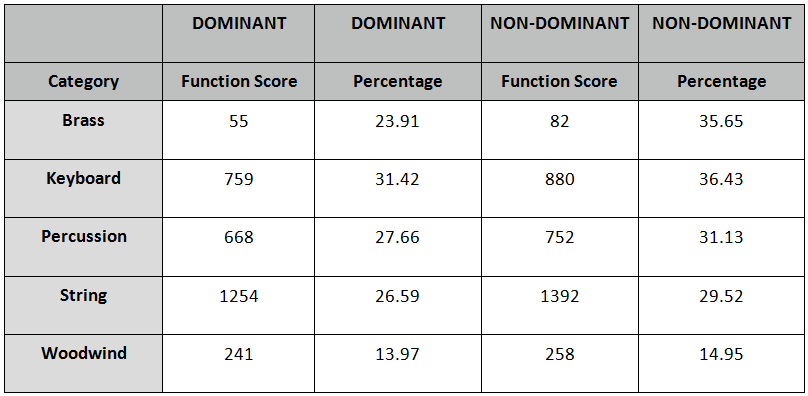
Inference (Table 1) The non-dominant side total score is more than the dominant side. The Keyboards category scored highest followed by percussion, strings, brass, woodwind on the dominant side. Brass was the highest followed by Keyboards, percussions, strings, woodwind on the non-dominant side.

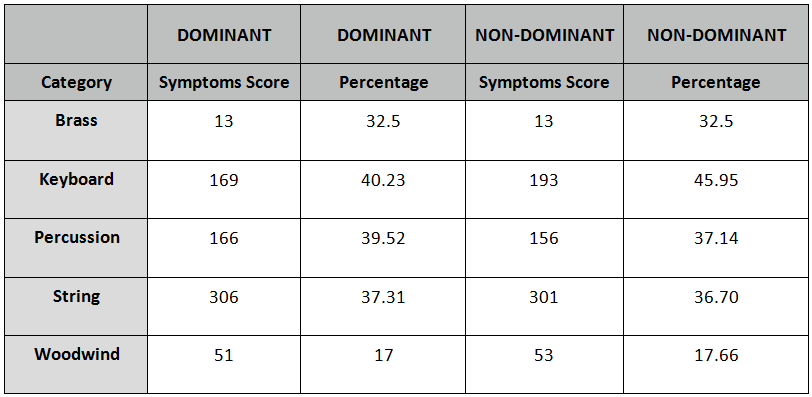
Table 2.1: DASH Symptoms Score

Inference (Table 2.1) Thekeyboard category had the highest percentage followed by percussion, strings, brass, woodwind on the dominant as well as the non-dominant side

Table 2.2: DASH Individual Symptoms Score

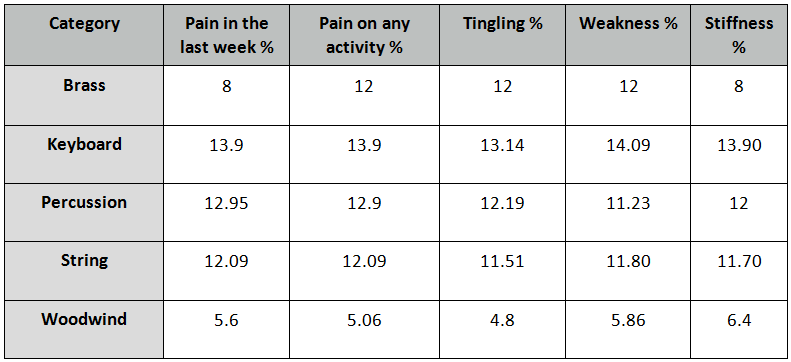
Inference (Table 2.2) Thekeyboards category had the highest percentage followed by percussion, strings, brass, woodwind in pain last week, pain on activity, and stiffness. For Tingling- The keyboards had the highest percentage followed by percussions, brass, strings and woodwind. For Weakness- The keyboards had the highest percentage followed by brass, strings, percussions and woodwind.

Table 3: DASH Functional Disability Score

Inference (Table 3)- Thekeyboard category has the highest percentage followed by percussion, strings, brass, woodwind on the dominant side. Brass was the highest followed by Keyboards, percussions, strings, woodwind on the non-dominant side.

Table 4: DASH Psychological aspect Score

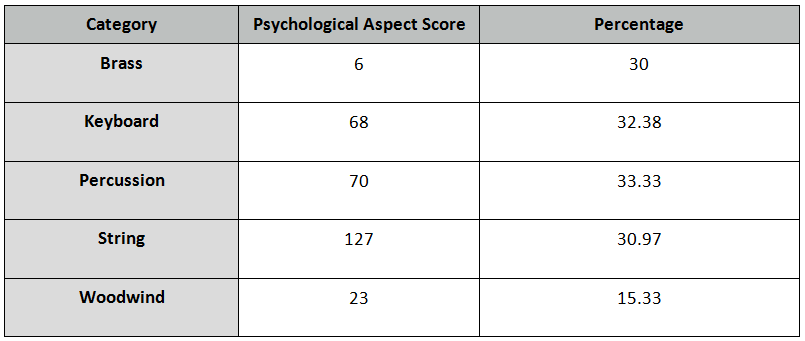
Inference (Table 4) The percussion category has the highest percentage followed by keyboards, strings, brass and woodwind.

Table 5: DASH Music Module Score

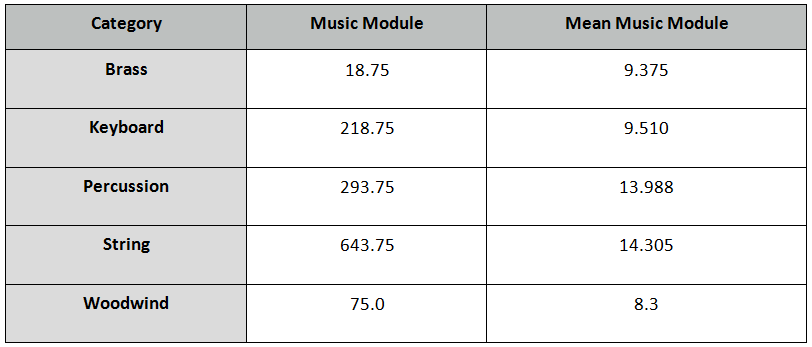
Inference (Table 5) The strings category has the highest score followed by percussions, keyboards, strings, brass and woodwind.

DISCUSSION

In this study 100 musician playing different musical instrument were taken. The subjects were asked to fill the Disability of Arm, Shoulder and Hand (DASH) questionnaire. The study reveals that the DASH questionnaire scores varied for each instrument category from Dominant to Non-Dominant extremity. Overall the Non Dominant Upper Limb had higher DASH scores compared to the Dominant Upper Limb (Table 1).

The DASH question numbers 24-28 were used to assess the Severity of Symptoms. The questions were based on the symptoms of pain, tingling, weakness and stiffness. On the Dominant as well as the Non-Dominant sides, the subjects playing Keyboards were the most affected. This was followed by the subjects playing Percussions and Strings respectively. The Brass and Woodwind subjects were the least affected on both the sides. Higher the scores, more the intensity of the symptoms experienced. With the Data obtained, it was noticed that each category showed varying symptoms. The analysis was done by comparing the scores of each symptom individually.

The Brass category showed higher symptoms of Pain, Tingling and Weakness. The Keyboardists complained of Pain and Stiffness. The Percussionists had Pain and Tingling while the Woodwind players had the highest scored symptom of Weakness among other symptoms. (Table 2.1 and 2.2) According to a study, musicians due to the competitive work environment felt forced to play despite their symptoms, motivated by a concern for reprisal or dismissal. Despite their symptoms, the professional musicians, therefore, will be inclined to perform at rehearsals and concerts, and play less when practicing alone, where reducing their effort can aid their recovery without compromising their colleagues.5 The stress-inducing movements in playing can be Isotonic or Isometric. Isotonic movements are those in which fast movements are done to obtain sound in the instrument. These create stress on the surrounding tendons and over time can lead to pain due to chronic tendinopathy. e.g. striking the keyboard keys, bowing the violin. Isometric movements are those in which there is prolonged  periods of static unstable postures to support the instrument or hold it in place. These result in muscle imbalance, which may further lead to chronic myofascial pain6.

The Symptoms in the subjects may have caused difficulty in performing daily functions. This was assessed by DASH question numbers 1-23. This Domain differed based on Dominance. Thesubjects playing Keyboards were the most affected followed by percussion, strings, brass and woodwind on the dominant side.  The subjects playing Brass instruments were most affected followed by Keyboards, percussions, strings and woodwind on the non-dominant side. (Table 3) This suggests that because of the symptoms of pain, tingling, stiffness, weakness, etc. the musician has difficulty performing day to day functions at ease.

According to Rietveld AB et al., Musicians experience upper limb injuries such as impingement syndromes eg. painful arc, supinator syndrome, intersection syndrome. frozen shoulder, tennis elbow, golfers elbow, neuropathies including median and ulnar nerve, trigger finger, hypermobility and focal dystonia.7 According to another study done on Orchestra musicians, The musicians reported changed or impaired way of playing, difficulties in daily activities at home, in leisure time activities and in sleep as common consequences of musculoskeletal symptoms5

Psychological aspect was assessed by DASH question numbers 29,30. Q. 29 was based on Sleeping difficulty due to symptoms and Q. 30 was based on feeling less confident or useful because of the symptoms. The subjects playing Percussions seemed to be most affected. It was followed by the Keyboards, though there is only a slight difference between scores of Percussion and Keyboards subjects. This was then followed by the subjects playing Strings, Brass and Woodwinds. (Table 4).

Injuries occur as a result of physical stress which in turn induces psychological stress. Fears of a musician are thoughts of missing notes, not playing correctly, leaving a bad impression, losing their job and ending up in poverty. These thoughts produce physical reactions such as sweating, constricted breathing, tense muscles, which lead to the likeliness of a performance being unsuccessful8.

According to a study using the Bergen Insomnia Scale (BIS) musicians had higher prevalence of insomnia symptoms compared to the general population9. This shows that Psychological factors also play a great role in musicians. Often musicians fail to find help for curing their injuries and this can lead to the end of one’s career, which leads to a downward spiral of anxiety and depression8. Challenges faced were related to bad and abusive teachers, entry into a conservatoire, music industry demands, unsupportive environments, comparison and competition socially, injury, psychological aspects, balancing work and personal life7.

To assess the Music Module, DASH Music/Sports module was used. The questions were based on the impact of your arm, shoulder or hand problem on playing the musical instrument. The subjects playing Strings were the most affected followed by Percussions, Keyboards, Brass and Woodwind. However, the subjects playing Keyboards and Brass had a minute difference in scores.

Subjects playing Woodwind instruments was the least affected in this domain as well. This shows that a because of the symptoms, the musician is not able to play his instrument in the usual way or in a way in which the musician would like to. This also results in spending lesser time in playing the instrument. Musculoskeletal symptoms resulted in an impaired way of playing the instrument5. According to a study; ability to play to their optimum level was affected due to the symptoms associated10. 

The problems experienced by musicians depend on the physical demands of that particular instrument. Keyboardists play a répertoire of movements that require great amplitude of abduction of the fingers. Techniques of octaves and chords and small hand size were associated with symptoms11.  Intersection syndrome is seen in Drummers7. Brass players may have the highest risk of developing carpal tunnel syndrome12. Prolonged static posture is required such as static abduction of the upper-arm in violin and flute.

In these two instruments the left shoulder is adducted resulting in a ‘wringing out’- phenomenon of the rotator-cuff: the poor blood supply of the ‘critical zone’ in the supraspinatus tendon is further impaired by the squeezing effect of this tendon being stretched over the head of the adducted humerus7.   The posture of Guitarists and Bassists provoke an extreme flexion of the fretting wrist and fingers that possibly may result in the fretting hand injuries that is the Non-Dominant hand13.

Ethical Clearance:  Clearance was obtained from the Institutional ethical committee ofD.Y. Patil Deemed to be University, School of Physiotherapy, Navi Mumbai.

Conflict of Interest: No conflict of interest to conduct this study.

Source of Fund: It was aSelf financed study.

CONCLUSION

This study concludes that the subjects playing Keyboards were the most affected in most domains of DASH scale except Psychological and Music Module Domains, both in the Dominant and Non Dominant side.

This study also concludes that the subjects playing Percussions were the most affected in the Psychological Domain and the subjects playing Strings were most affected in the Music Module Domain of DASH scale.

REFERENCES

  1. Elbaum L. Musculoskeletal problems of instrumental musicians. (1986). Journal of Orthopaedic & Sports Physical Therapy, 8(6):285-7.
  2. Zaza C, Charles C, Muszynski A. (1998).The meaning of playing-related musculoskeletal disorders to classical musicians. Social science & medicine,47(12):2013-23.
  3. Lederman RJ. (2003). Neuromuscular and musculoskeletal problems in instrumental musicians. Muscle & Nerve: Official Journal of the American Association of Electrodiagnostic Medicine., 27(5):549-61.
  4. Beaton DE, Katz JN, Fossel AH, Wright JG, Tarasuk V, (2001). Bombardier C. Measuring the wole or the parts?: Validity, reliability, and responsiveness of the disabilities of the arm, shoulder and hand outcome measure in different regions of the upper extremity. Journal of Hand Therapy.,14(2):128-42.
  5. Paarup HM, Baelum J, Holm JW, Manniche C, Wedderkopp N. (2011). Prevalence and consequences of musculoskeletal symptoms in symphony orchestra musicians vary by gender: a cross-sectional study. BMC musculoskeletal disorders., 12(1):223.
  6. Lee HS, Park HY, Yoon JO, Kim JS, Chun JM, Aminata IW, Cho WJ, Jeon IH. (2013).  Musicians’ medicine: musculoskeletal problems in string players. Clinics in orthopedic surgery.,5(3):155-60.
  7. Rietveld A B. (2013). Dancers’ and musicians’ injuries. Clinical rheumatology., 32(4):425-34.
  8. Viinalass JJ. (2016). The Physiological and Psychological Impact of Music on the Performing Artist, Physical Education and Sport; Thesis; 1-44.
  9. Vaag J, Saksvik-Lehouillier I, Bjørngaard JH, Bjerkeset O. (2016). Sleep difficulties and insomnia symptoms in Norwegian musicians compared to the general population and workforce. Behavioral sleep medicine., 14(3): 325-42.
  10.  Kenny DT, ATCL D. (2012). Musculoskeletal pain and injury in professional orchestral musicians in Australia. Medical Problems of Performing Artists.,27(4):181.
  11. Corrêa LA, dos Santos LT, Paranhos Jr EN, Albertini AI, Parreira PD, Nogueira LA. (2018). Prevalence and risk factors for musculoskeletal pain in keyboard musicians: A systematic review. PM&R., 10(9):942-50.
  12. Jones Jr S, Hernandez C. (2010). An Investigation of the Prevalence of Upper Limb Neuropathies in Different Types of College Musicians by Use of Neurometrix Device. International Journal of Biology, 2(1):132.
  13. Rigg JL, Marrinan R, Thomas MA. (2003). Playing-related injury in guitarists playing popular music. Medical Problems of Performing Artists.,18(4):150-2.
Citation:  

P. Sathya, Hannah D’souza (2019). A study to find prevalence of upper limb problems in Musicians, International Journal of Medical and Exercise Science; 5 (4): 625-633.

Normative values of Moberg Pickup Test in Young Adults

Dhanalakshmi.M.R1 , Prashanth V Mangalvedhe2 , Jibi Paul3

Authors:

1 B.P.T. Graduate, JSS College of Physiotherapy, JSS Hospital Campus, Mysuru, Karnataka,India. 3 Professor,Faculty of Physiotherapy, Dr.MGR. Deemed to be University, Chennai, Tamilnadu, India.

Corresponding Author:

2 Lecturer, JSS College of Physiotherapy, JSS Hospital Campus, Mysuru, Karnataka,India. Mail id: dhanuphysio7@gmail.com

ABSTRACT

Introduction: Moberg pickup test (MPUT) is a standardized test for hand dexterity developed by Erik Moberg, in 1958. This test also assesses cognition, stereognosis, and comprehension. Aim of the study was to find the normative values for the Moberg pickup test and to find the  impact of gender and handedness on hand dexterity among carpel tunnel syndrome patients.

Method: This was a Cross-sectional study, conducted at JSS College of physiotherapy, Mysuru, Karnataka for a duration of 2 months. This study was done on a population of 171 typical young adults comprising of 37 males and 134 females with an age group between 17 and 25 years. Test objects were placed on the table on the same side of right and left hands being tested with eyes open and closed, whereas the container was placed on the opposite side of the hand being tested. Three trials were done and the best out of the three was taken for analysis to obtain the normative values for Mobergpickup test.

Result: The results show that the hand dexterity of the subjects was significantly good. Eyes open and close on dominant hand and Non dominant hand with mean values of 7.735, 12.806 and 9.206, 14.327 respectively.

Conclusion: Females performed the test faster than males, and task performance with the dominant hand was faster than the non-dominant hand.

Keywords: Hand dexterity, Moberg Pick-Up Test, Carpel tunnel syndrome, Normative values

Comparative analgesic effect of Isometric and Isotonic exercises on forearm extensors for lateral epicondylitis of elbow


<!– /* Font Definitions */ @font-face {font-family:”Cambria Math”; panose-1:2 4 5 3 5 4 6 3 2 4; mso-font-charset:1; mso-generic-font-family:roman; mso-font-format:other; mso-font-pitch:variable; mso-font-signature:0 0 0 0 0 0;} @font-face {font-family:Calibri; panose-1:2 15 5 2 2 2 4 3 2 4; mso-font-charset:0; mso-generic-font-family:swiss; mso-font-pitch:variable; mso-font-signature:-536870145 1073786111 1 0 415 0;} /* Style Definitions */ p.MsoNormal, li.MsoNormal, div.MsoNormal {mso-style-unhide:no; mso-style-qformat:yes; mso-style-parent:””; margin-top:0in; margin-right:0in; margin-bottom:10.0pt; margin-left:0in; line-height:115%; mso-pagination:widow-orphan; font-size:11.0pt; font-family:”Calibri”,”sans-serif”; mso-ascii-font-family:Calibri; mso-ascii-theme-font:minor-latin; mso-fareast-font-family:”Times New Roman”; mso-fareast-theme-font:minor-fareast; mso-hansi-font-family:Calibri; mso-hansi-theme-font:minor-latin; mso-bidi-font-family:”Times New Roman”; mso-bidi-theme-font:minor-bidi;} .MsoChpDefault {mso-style-type:export-only; mso-default-props:yes; mso-ascii-font-family:Calibri; mso-ascii-theme-font:minor-latin; mso-fareast-font-family:”Times New Roman”; mso-fareast-theme-font:minor-fareast; mso-hansi-font-family:Calibri; mso-hansi-theme-font:minor-latin; mso-bidi-font-family:”Times New Roman”; mso-bidi-theme-font:minor-bidi;} .MsoPapDefault {mso-style-type:export-only; margin-bottom:10.0pt; line-height:115%;} @page Section1 {size:8.5in 11.0in; margin:1.0in 1.0in 1.0in 1.0in; mso-header-margin:.5in; mso-footer-margin:.5in; mso-paper-source:0;} div.Section1 {page:Section1;} –>
JIBI PAUL1 ,  KOUSALYA. P2
Author:
1Professor, Faculty of Physiotherapy, Dr.MGR Educational and Research Institute, Chennai, Tamilnadu, India.
Corresponding Author:
2Student, Faculty of Physiotherapy,  Dr.MGR Educational and Research Institute, Chennai, Tamilnadu, India.  Mail Id: kousalyapugalenthi3@gmail.com

ABSTRACT

Background of the study: Tennis Elbow/Lateral Epicondylitis is a work-related pain disorder of common extensor muscles, usually caused by excessive quick repetitive movements of wrist and forearm. The main objective of the study is to find the comparative analgesic effect of isometric and isotonic exercises on forearm extensors for lateral epicondylitis of elbow.

Methodology:  This was a comparative study with pre and post intervention.30 subject with tennis elbow were selected based on the inclusion criteria. Further the group was divided into 2 with 15 subjects in each group. The study duration was 4 weeks. Male and female subjects were included in this study. Age group between 30-50 years of age. Group A with 15 subjects were received isometric exercise and Group B with15 subjects received isotonic exercise for a period of 3 sets of 10 repetition for 4 weeks in alternative day. Pain and functional disability were assessed before and after the intervention session using the measurement toolsVAS (Visual analogue scale), andPRTEE (Patient- rated tennis elbow evaluation questionnaire). The special test done for confirming lateral epicondylitis were COZEN’S test and MILL’S TEST. 

Result: The result of this study shows that there was significant changes in outcome measures between the Group A (isometric exercise) and Group B (isotonic exercise)with P <0.0001.

Conclusion: The study concluded that isometric exercise is better than isotonic exercise on decreasing the pain and improving the functional activity of patients with lateral epicondylitis of elbow.

Keywords: Isometric exercise, isotonic exercise, Tennis elbow, Visual analogue scale (VAS), Patient-rated tennis elbow evaluation questionnaire (PRTEE).

Inter-rater and Intra-rater reliability between experience and non-experienced examiners on 90-90 active knee extension test using Goniometer among healthy college students

SITI NUR BAAIT BINTI MOHD SOKRAN1, ROGINI A/P PERIASAMY2, JIBI PAUL3

Corresponding Author:

1Lecturer, Department of Physiotherapy, School of Health Sciences, KPJ Healthcare University College, Nilai, Malaysia. Mail id:  sitinurbaait@kpjuc.edu.my

Authors:

2 Physiotherapist, Department of Physiotherapy, KPJ Selangor Specialist Hospital, Selangor, Malaysia.

3Professor, Faculty of Physiotherapy, Dr.MGR Deemed to be University, Chennai, Tamilnadu, India.

ABSTRACT

Purpose: Intra-rater reliability refers to the consistency of measurements demonstrated in similar assessment situation at two different times by the same examiner which also refers to test-retest. Inter-rater reliability test denotes the consistency of assessments performed by two different examiners. The objective of the study was to determine the inter-rater and intra-rater reliability between experienced and non-experienced physiotherapist on 90-90 active knee extension test using goniometer among healthy college students.

Methodology: This study method is a reliability design in determining hamstring flexibility among 42 young healthy college students of School of Physiotherapy, KPJ Healthcare University College, Nilai, Malaysia. The 90-90 active knee extension was performed using goniometry. Four physiotherapists involved in the study consist of two non-experienced physiotherapist and two experienced physiotherapists.

Results: The mean and standard deviation of active knee extension 90-90 Active Knee extension test among two experienced physiotherapist were 19.830(SD= 10.21) and 43.14 (SD= 47.05). Mean and standard deviation for two non-experienced physiotherapist value were 21.21(SD 11.14) and 42.55 (47.66).

Conclusion: The conclusion of the inter-rater and intra-rater evaluation between experienced and non- experienced physiotherapist showed that goniometer is a reliable tool to evaluate hamstring flexibility among healthy college students.

Keywords: Experienced, Non-Experienced, Physiotherapist, Goniometer, AKE, Inter-rater, Intra-rater

A study to analyze the effects of global postural re-education method on pulmonary function and thoracic expansion in individuals with moderate chronic obstructive pulmonary disease

ISHWARYA VARDHINI C1, DENNIS ROBINSON2, JIBI PAUL3

Corresponding Author:
1Asst.Professor, Faculty of Physiotherapy,  Dr. MGR Educational and Research Institute, Dr.MGR. Deemed to be University, Chennai, Tamilnadu, India. Mail id:  ishphysio@gmail.com

Authors:
2Professor, Department of Physiotherapy, KG College of Physiotherpy, Coimbatore, Tamilnadu, India.
3Professor, Faculty of Physiotherapy, Dr.MGR. Deemed to be University, Chennai, Tamilnadu, India.

ABSTRACT

Background of the study: Chronic obstructive pulmonary disease (COPD) is the 5th cause of mortality and morbidity in the world and represents an economic and social burden.  Chronic obstructive pulmonary disease is a chronic pulmonary disorder affecting 10%-15% individuals over age of 45 years. Objective of the study is to compare the effect of conventional pulmonary rehabilitation and Global Postural Re-education method on pulmonary function and thoracic expansion in patients with moderate chronic obstructive pulmonary disease.
Methodology: Thiswas an experimental Study of two groups’ with pre-post comparative study design.The study was conducted for a period of six months in the department of Pulmonology, K.G.Hospital and postgraduate research and medical institute, Coimbatore. All adult patients attending the Pulmonology department of the hospital were assessed and selected for the study. A total of 20 patients with moderate chronic obstructive pulmonary disease were selected by random sampling method and were divided into 2 groups A and B. Pulmonary function test (FEV1/FVC) and Thoracic expansion at Axillary and Xiphoid level was measured and recorded. Unpaired ‘t’test used to find the difference between two groups.
Result:  Tvalue for FEV1/FVC was 7.313, thoracic expansion was 11.90 and 16.39 at Axillary & Xiphoid respectively between two groups with ‘P’ value <0.05. The study showed that there is a significant difference in improvement of FEV1/FVC ratio and thoracic expansion in Group-B, who underwent Global postural re-education method.
Conclusion: Global postural re-education method is better intervention in the improvement of pulmonary function, thoracic expansion in patients with moderate chronic obstructive pulmonary disease.

Keywords: Chronic Obstructive Pulmonary Disease, Global Postural Re-education (GPR), Pulmonary function, Thoracic expansion.  

Comparative study between static stretching and dynamic stretching on mechanical neck pain

JIBI PAUL1 , THENMOZHI S 2

Authors:

2 BPT Intern, Faculty of Physiotherapy, DR.MGR.Educational and Research Institute, Velappanchavadi, Chennai,India

Corresponding Author:

Professor, Faculty of Physiotherapy, ACS Medical College and Hospital, Dr M.G.R. Educational and Research Institute University, Chennai. Mail id: physojibi@gmail.com

ABSTRACT

Back and objective of the study: Individual with neck pain that lack an identifiable patho-anatomic cause for their symptoms are usually classified as having mechanical neck pain. Stretching is believed to provide many physical benefits including improved flexibility, injury prevention, improved muscle or athletic performance. Aim of the study was to find out the effects of static stretching and dynamic stretching on mechanical neck pain and also to compare the effectiveness between static and dynamic stretching on mechanical neck pain.

Methodology: Comparative study with Quasi Experimental design conducted at ACS Medical College and hospital, Chennai. Both genders of thirty patients were selected for the study. Convenient sampling method used to select the samples on the basis of selection criteria. Visual analogue scale and neck disability index were used as measurement tools for data collection. The study conducted for duration of four weeks.

Results:   The results shows significant difference in neck pain and neck function between static stretching and dynamic stretching with F value 1733 and <0.0001. Static stretching found more effective than and dynamic stretching with more mean difference of VAS and NDI scores 5.33 and 22.8 compared to 1.73 and 12 respectively.

Conclusion: The static stretching is more effective than dynamic stretching in improving pain and functional disability in patients with mechanical neck pain.

Keywords: Mechanical neck pain, Neck Disability Index, Static stretching, Dynamic stretching

Efficacy of selective trunk activity in improving trunk control in hemiplegic patients

MANJUNATHA. H 1 ,JIBI PAUL 2 ,MADAN MOHAN.M.R3

Corresponding Author:

1 Principal, East Point College of Physiotherapy, Jnana Prabha, Bidarahalli, Virgo Nagar, Bangalore, India, Mail id: manjuinlife@gmail.com

Co Authors:

2 Professor, Faculty of Physiotherapy, DR MGR Educational and Research Institute, Velappanchavadi, Chennai,India 3 Associate Professor East Point College of Physiotherapy, Jnana Prabha, Bidarahalli, Virgo Nagar, Bangalore, India.

ABSTRACT

Background and objective: Trunk control is a crucial component to perform motor function and also to maintain good posture. Trunk gives background for moving upper limbs and lower limbs. The objective of this study was to find out the effectiveness of selective trunk activities in rehabilitation of hemiplegia.

Methods: It is a pre and post experimental design. 30 patients have participated and were divided into two equal groups. i.e, experimental and control group, with 15 subjects in each group. Experimental group received routine neuro-rehabilitation along with selective trunk activities, whereas, control group received only routine neuro-rehabilitation program. Pre and post assessment of trunk balance and impairment was measured by using Trunk Impairment Scale (TIS) and Rivermead Motor Assessment Protocol (RMAP).

Results: Before the treatment mean values of both control and experimental groups were approximately equivalent There was a significant increase in the mean value of the TIS and RMAP in the experimental group than that of the control group.

Conclusion: Posture and stability are the key factors in maintaining proper balance of the trunk. Hence, selective trunk activity has a significant improvement in trunk balance and postural stability and could be considered as an important part in rehabilitation of hemiplegia.

Keywords: Hemiplegia, trunk movements, selective trunk activity, stroke, postural stability, balance.

An Analysis on the effect of Buteyko Breathing and relaxed postures over the chest exapnsion of asthmatic collegiate population- An experimental study

S. GLADIES KAMALAM1 , G. SRIVIDYA2 , J. ANDREWS MILTON3

Corresponding Author:

1 Associate Professor, Bethany Navajeevan College of Physiotherapy, Kerala, India. Mail id: mail2drsgk@gmail.com

Co Authors:

2 Research Guide, Department of PMR, Annamalai University, Tamilnadu, India. 3 Research Co- Guide, Bethany Navajeevan College of Physiotherapy, Kerala, India.

ABSTRACT

Background: Over ages; bronchial asthma and its adverse physiological, psychological impacts upon varied group of age, people, and health remains a searchable quest in its depth. Behaviour modification as an emerging outlook of Physical therapy helps to exhibit positive changes in this broad spectrum of asthma. This study aimed to identify the possible potential factors to improve chest expansion by analysing the effect of buteyko breathing and relaxed postures.

Methods: Experimental study design; 20 patients of the age group 17-19 years were selected using simple random sampling method. Group A; consisting 10 patients were advocated buteyko relaxation training. Group B; consisting of 10 patients were advocated relaxed postures along with the conventional asthma management. Stop watch, nose clip, inch tape, pediatric asthma quality of life questionnaire [PAQLQ] were used as the operational tools. Paired and Unpaired “t” testing was used to analyze the pre- test and the post- test values after a period of 6 months.

Results: Analysis of the peak expiratory flow rate and the quality of life over Group “A” and Group “B” at 0.05% level of significance showed positive results for Group “A” when compared with the ‘t’ value.

Conclusion: The findings support the multidimensional positive effects of behavior modification over the physiological and psychological parameters that lead to the onset of bronchial asthma.

Keywords: Bronchial asthma, behavior modification, buteyko breathing, relaxed postures, peadiatric asthma quality of life questionnaire

Impact of exercising with Acapella on peak expiratory flow rate of chronic asthmatics

S.SATHYA 1 , K.ANISH FATHIMA 2 , JIBI PAUL3

Authors:

1,3Faculty of Physiotherapy, DR MGR Educational and Research Institute, Velappanchavadi, Chennai,India

Corresponding Author:

2 Intern Physiotherapy Student, DR MGR Educational and Research Institute, Velappanchavadi, Chennai,India

Background Of The Study: Asthma is the clinical syndrome characterized by wheeze. It occurs in younger age group and is caused by trigger factors such as specific allergens (Pollen grain, Dust, Drug). Acapella combines the benefits of both Positive Expiratory Therapy and airway vibrations to mobilize pulmonary secretions and can be used in virtually any position allowing patients to move freely and sit, stand or recline. Objective of the study was to analyse the impact of exercising with Acapella on the PEFR of Chronic Asthmatics.

Methodology: This was an experimental study conducted among 50 subjects of adoloscent age with chronic asthmatics. They were given exercise with Acapella for a frequency of 10 minutes, single session in a day, for 2 weeks duration. The study was conducted in department of Physiotherapy, ACS MedicalCollege and Hospital. Only chronic asthmatics had been selected in this study. The PEFR was used as a outcome measure for this study. The outcome was measured through PEFR values.

Result:The results were analysed for 50 subjects at the end of the study. The improvement was highly significant in chronic asthmatics who exercised with Acapella.

Conclusion: It was concluded from this experimental study the Acapella had more effect on chronic asthmatics and hence prevent premature collapse of alveoli. As it combines the benefits of positive expiratory pressure or PEP therapy with airway vibrations, which makes exhalation against resistance.

Keywords: Peek Expiratory Flow Rate, Chronic Asthmatics, ACAPELLA, trigger factors